

Last updated August 27, 2026
Free in-home measure and quote - PGT, CGI and CWS impact lines compared on your actual openings, style by style
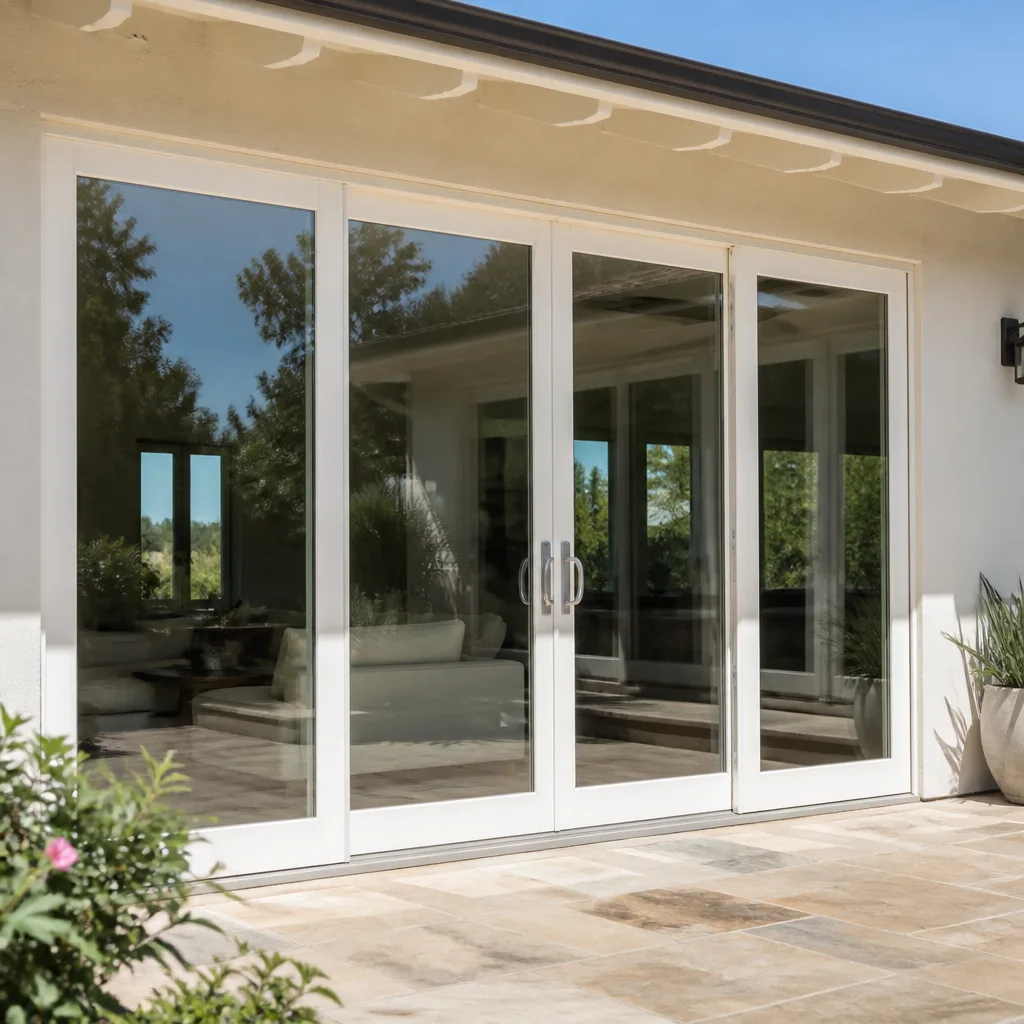
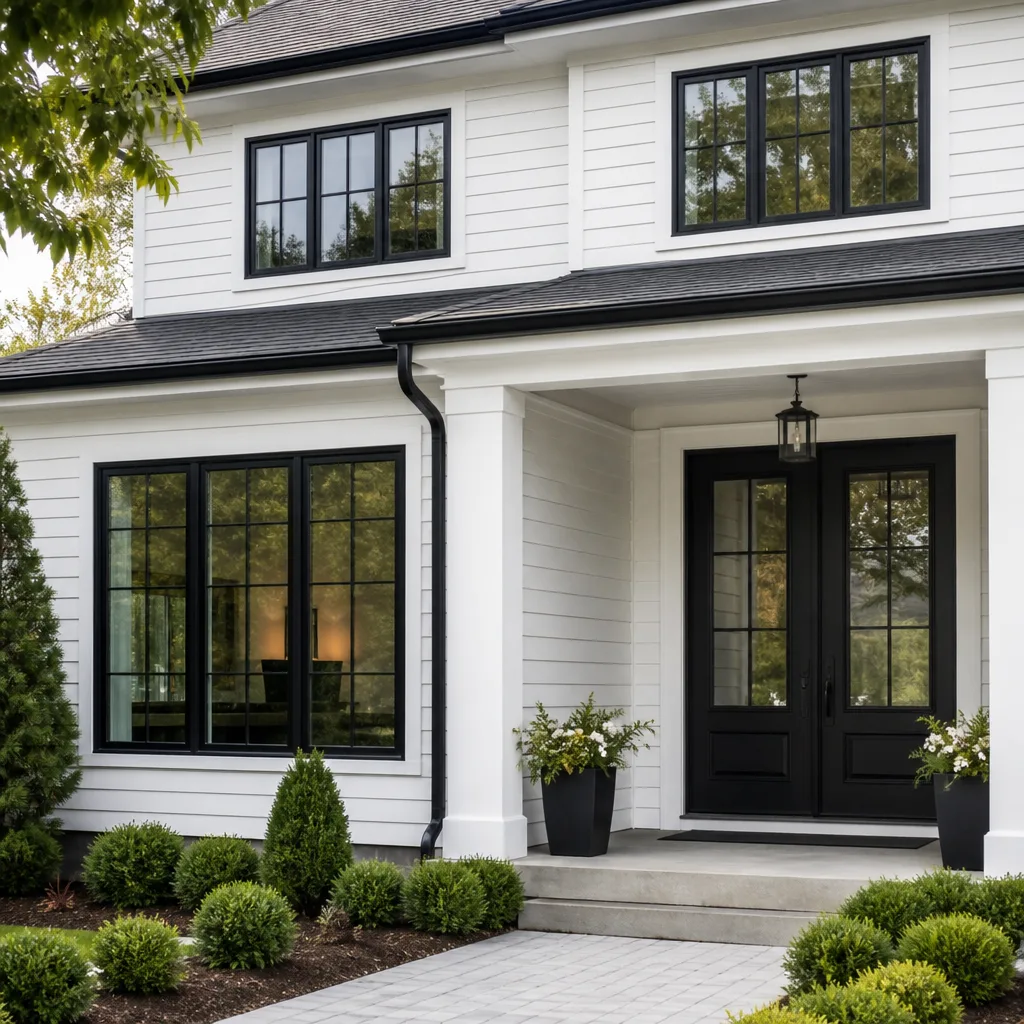
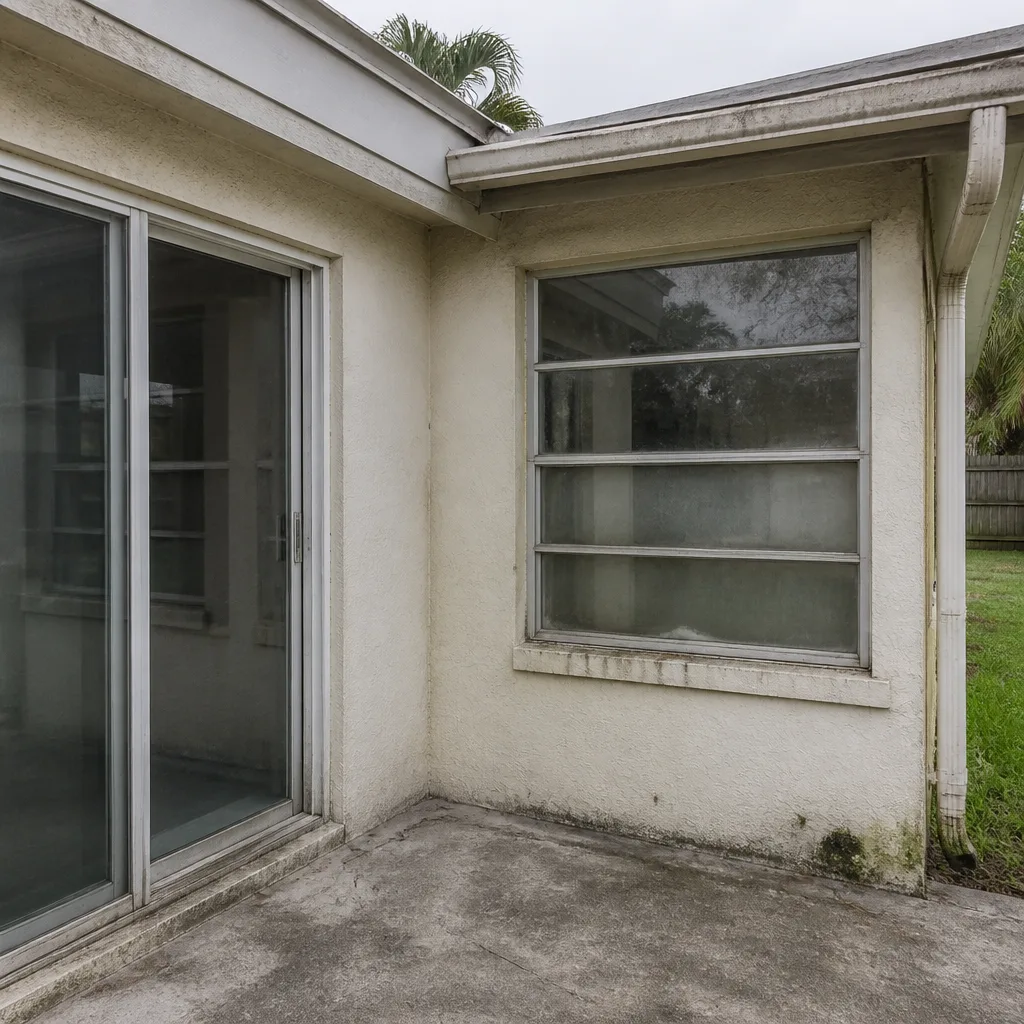 Before
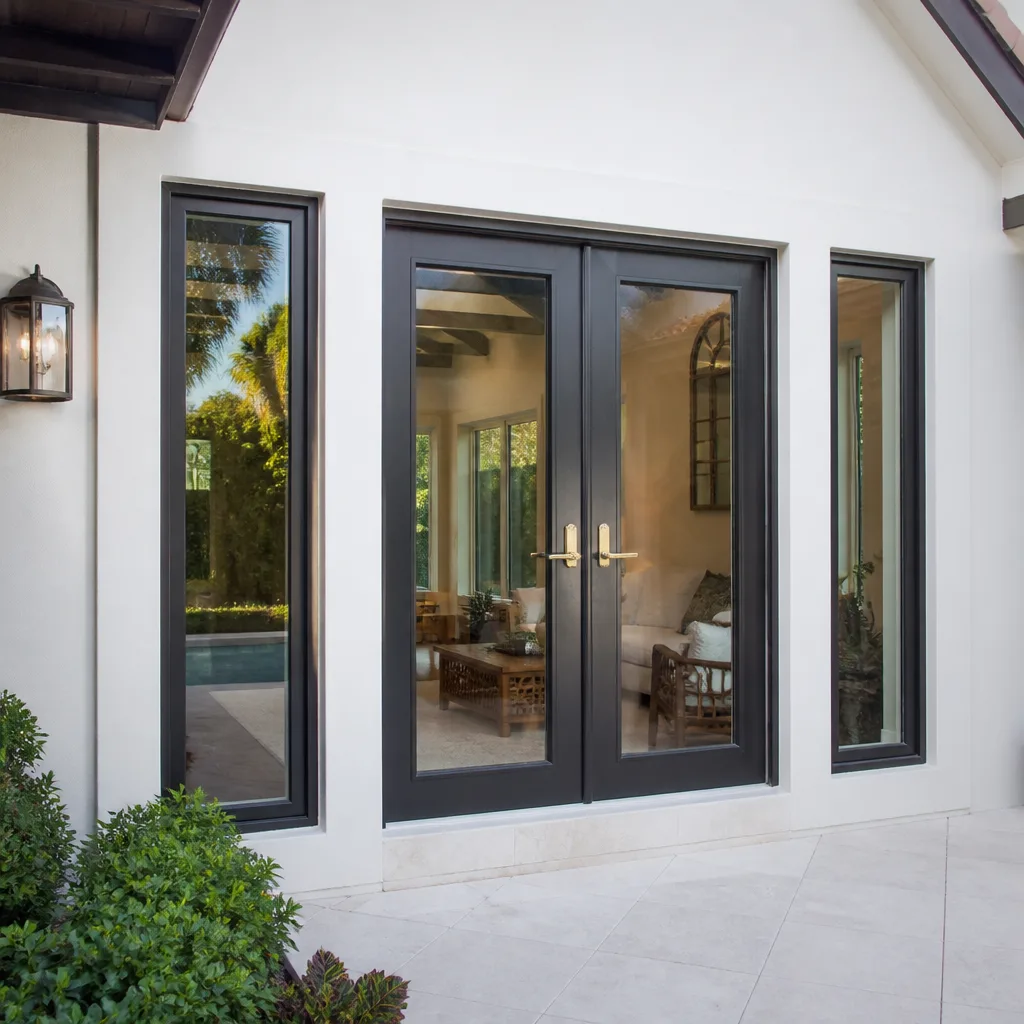 After
After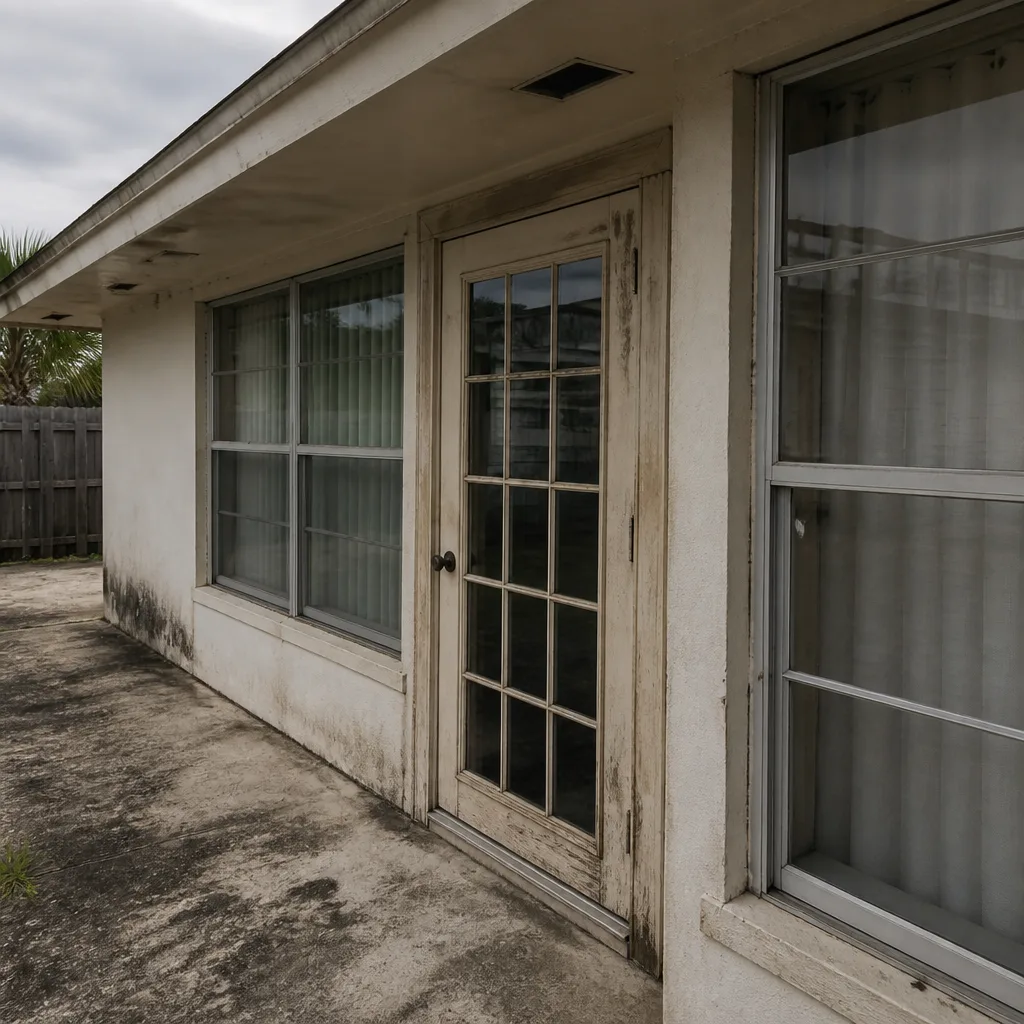 Before
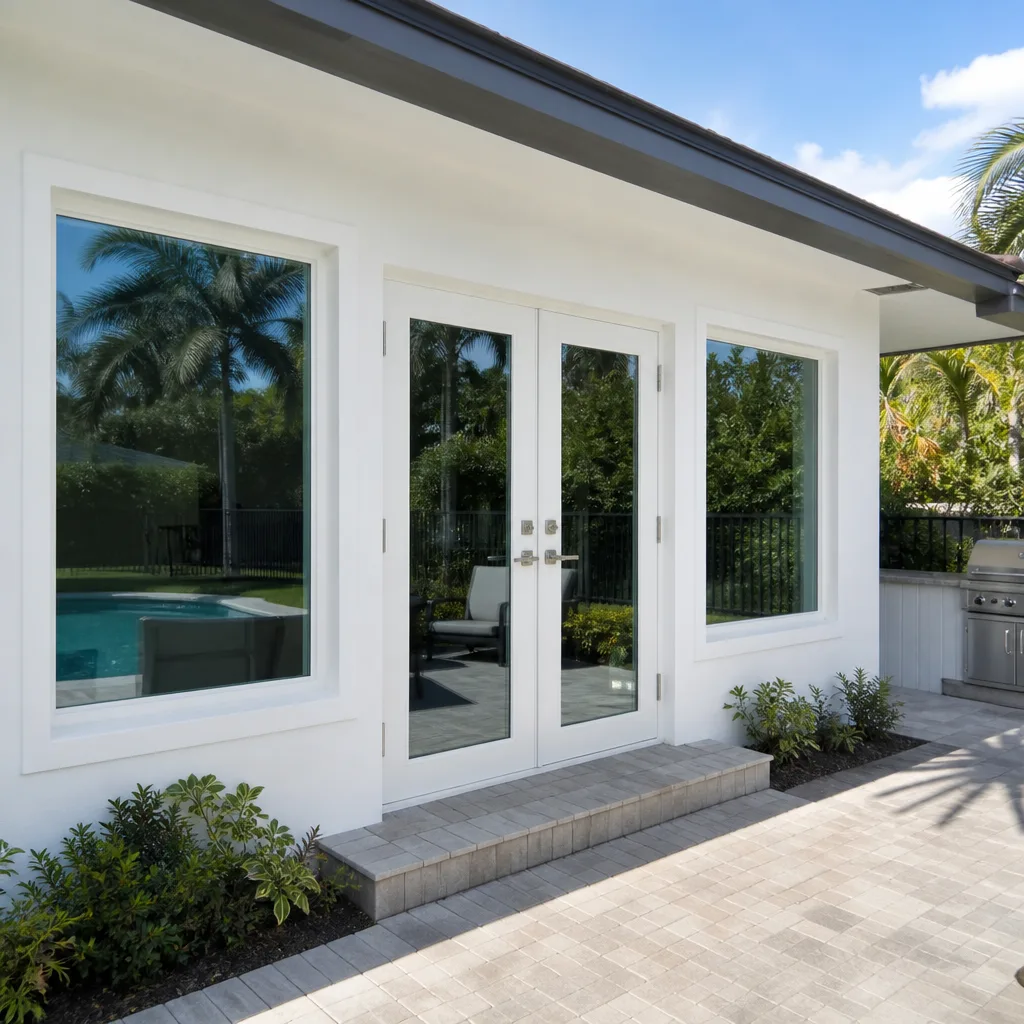 After
After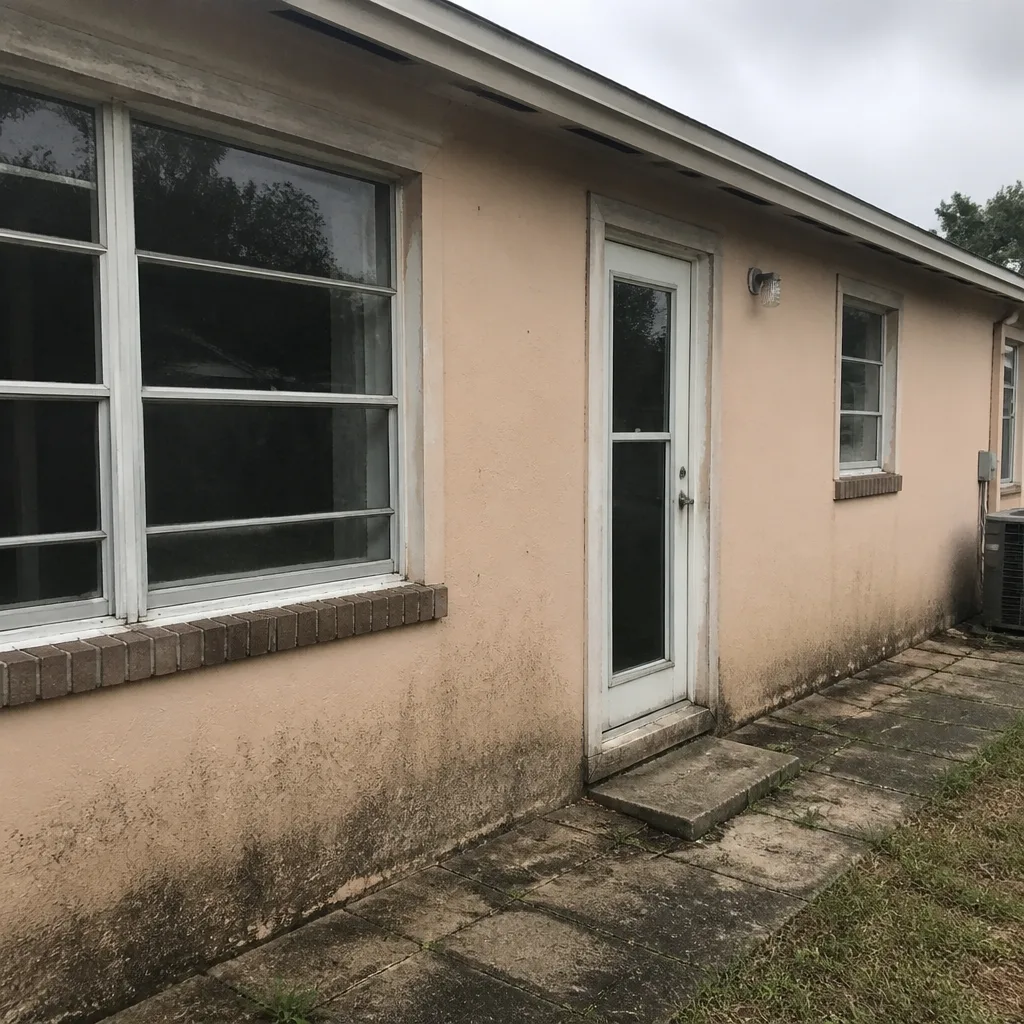 Before
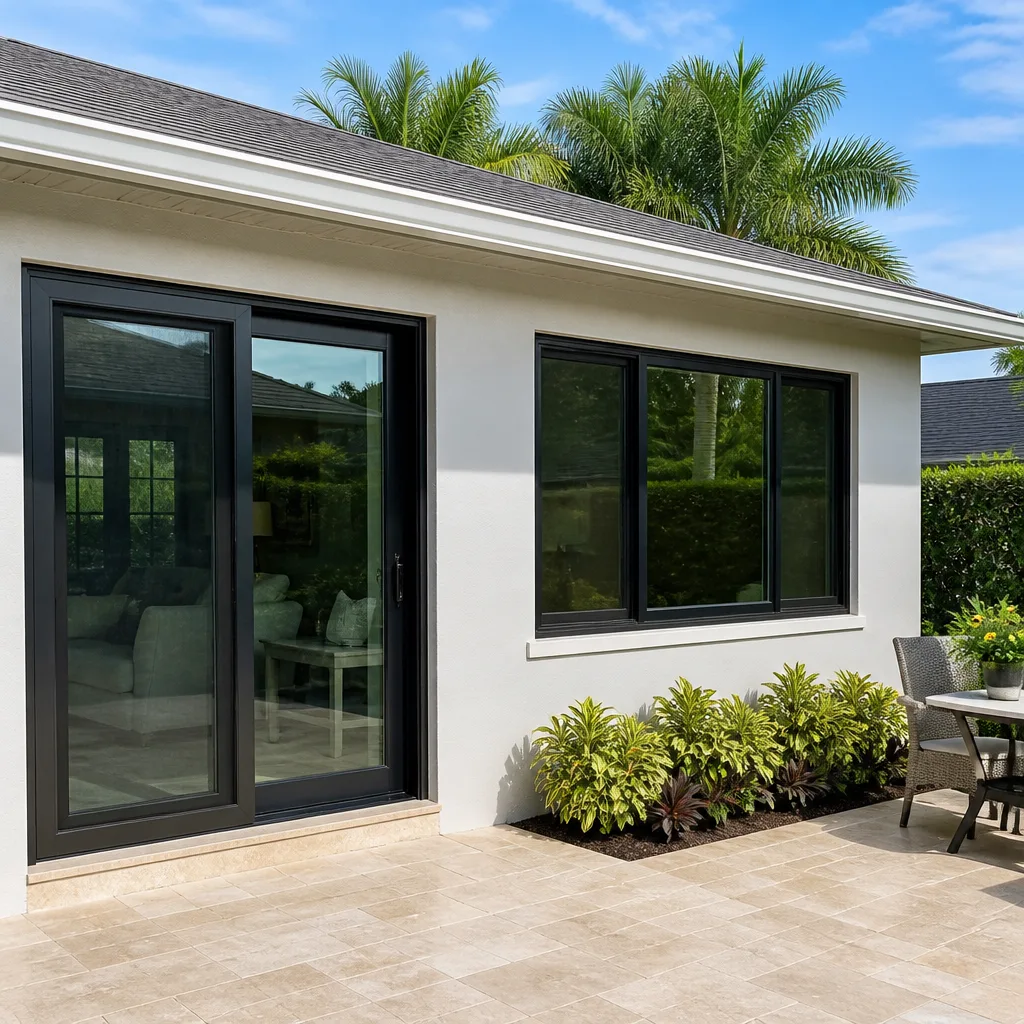 After
AfterImpact Windows Maintenance Checklist for West Palm Beach Homeowners
A cracked glazing seal doesn’t compromise a window’s impact rating immediately, but it starts a moisture migration process that can void the manufacturer warranty within one hurricane season, and most homeowners only discover it when they file a claim. This guide - along with our Seasonal Windows & Doors Care for West Palm Beach: Year-Round Homeowner’s Guide - walks you through the maintenance tasks that actually protect your investment in West Palm Beach, where salt air, humidity, and tropical storms punish exterior glass products harder than almost anywhere else in the continental United States. You’ll learn what to clean, what to inspect, what to lubricate, and what to photograph, plus the truth about which household products quietly damage impact-film interlayers over time.
Quick Answer
Impact Windows services maintenance in West Palm Beach comes down to five tasks done on a schedule: clean glass with mild soap and water only (never ammonia-based spray cleaners), clear weep holes and drainage channels every three months due to salt-air buildup, lubricate multi-point locking hardware twice a year, inspect seals and frames visually each spring before hurricane season, and photograph everything annually for warranty and insurance documentation. Most of these tasks take under an hour total per year, and none of them require special tools. Skipping them is how a 30-year window fails at year nine and the warranty claim gets denied.
Table of Contents
- Why Most Glass Cleaners Are Quietly Damaging Your Impact Windows
- Weep Holes and Drainage Channels: The Salt-Air Problem Specific to West Palm Beach
- Hardware and Multi-Point Lock Lubrication Schedule for High-Humidity Climates
- Inspecting Glazing Seals, Gaskets, and Sealant Beads Before Hurricane Season
- Visual Signs Your Window’s DP (Design Pressure) Rating May Be Compromised
- Documenting Your Windows Before Storm Season for Insurance and Warranty Claims
- A Simple Annual and Seasonal Maintenance Schedule for West Palm Beach Homes
- Common Mistakes to Avoid
- When to Call a Professional
- Frequently Asked Questions
- The Bottom Line
Why Most Glass Cleaners Are Quietly Damaging Your Impact Windows
Impact windows are not ordinary glass. Between the panes of laminated impact glass sits a PVB (polyvinyl butyral) or ionoplast interlayer that holds the glass together when a projectile strikes. That interlayer runs all the way to the edge of the frame, and aggressive cleaning chemicals can attack it from the perimeter. The most common culprit in West Palm Beach homes is the blue spray bottle under your sink.
Ammonia-based glass cleaners, which include most national brands you’d find at Publix or Home Depot, eat away at the plasticized interlayer edge over repeated exposure. They also dry out the rubber gaskets that create the water-tight and air-tight seal between glass and frame. We’ve replaced windows in West Palm Beach neighborhoods like Flamingo Park and El Cid where homeowners religiously cleaned their glass every month, only to find brittle, cracked gaskets and early interlayer delamination within eight years. The windows looked spotless. They were quietly failing from the perimeter inward.
What you should use instead is almost embarrassingly simple:
- Warm water with a few drops of mild dish soap (Dawn, Palmolive, anything without bleach or solvents)
- A soft microfiber cloth or sponge - never steel wool, never abrasive scrub pads
- A squeegee for exterior glass to prevent water spotting
- White vinegar diluted 50/50 with water for hard water stains if you have a salt film or mineral buildup
What to avoid, specifically:
- Any cleaner labeled “ammoniated” or containing ammonia
- Alcohol-based or solvent-based cleaners including many “automotive glass” products
- Abrasive powders like Comet or Bar Keepers Friend
- Pressure washers aimed directly at window frames - the force drives water past seals and into wall cavities
- Anything sprayed directly on the frame rather than the cloth - overspray pools at the seal line
At Winslow Windows & Doors, we include a printed care-and-cleaning guide with every installation, and it specifies the exact products safe for the eight brands we’re authorized to install, including PGT and CGI. If you bought your home with impact windows already in place and never received a care guide, the soap-and-water rule covers every major manufacturer’s requirements. If you’re unsure about the specific glass package on your home, a quick call to a West Palm Beach impact window specialist can help you identify what you have and what it needs.
Weep Holes and Drainage Channels: The Salt-Air Problem Specific to West Palm Beach
Weep holes are small openings along the bottom exterior edge of your window frame. They exist so that any water that gets past the outer seal can drain out instead of pooling inside the frame. In most climates, they work passively and rarely need attention. West Palm Beach is not most climates.
The salt-laden air off the Atlantic and the Intracoastal Waterway creates a corrosive film that builds up faster than rain alone can wash away. Combined with the pollen from spring oak blooms across neighborhoods like Pineapple Park and the mold spores that thrive in our humidity, those weep holes clog within months. Once they’re blocked, water trapped inside the frame starts attacking the aluminum or vinyl from the inside, which is how you get frame corrosion on a window that’s only five years old.
Here’s the quarterly drill, done best on the first weekend of March, June, September, and December:
- Fill a cup with warm water and a drop of dish soap.
- Use a pipe cleaner, thin bottle brush, or compressed air can to clear debris from each weep hole. Work gently - the goal is to remove sediment, not scratch the coating.
- Pour a small amount of the soapy water into the bottom track of the window.
- Watch for water to exit cleanly through the weep holes. If it pools or drains slowly, the channel is still blocked.
- Repeat until the water runs clear on both sides of each window.
- Dry the track with a cloth.
Homes within a mile of the coast - say, anywhere along Flagler Drive or in the South End near Phipps Ocean Park - should consider doing this every six weeks during hurricane season. The salt concentration in the air is measurably higher within that first mile, and the accumulation rate corresponds directly to how quickly aluminum frames corrode.
If you see white chalky residue around your weep holes or along the bottom rail, that’s aluminum oxide forming. It means the protective finish has been compromised and corrosion is underway. This doesn’t happen overnight, but it also doesn’t stop once it starts. Early intervention - cleaning, drying, and touching up the finish with a manufacturer-approved coating - can add years of service life to frames in West Palm Beach’s salt belt. Let it go, and you’re looking at frame replacement, not just maintenance.
Hardware and Multi-Point Lock Lubrication Schedule for High-Humidity Climates
Multi-point locking systems are standard on most impact-rated doors and increasingly common on casement and awning impact windows. They’re also the component most likely to seize up in West Palm Beach. The mechanism uses a series of locking pins or cams that slide into the frame at three or more points when you throw the lever. In dry climates, the factory grease lasts for years. In our humidity, it breaks down, attracts grit, and leaves the mechanism grinding on bare metal.
Lubricate twice a year, ideally when you change your clocks in March and November. The process takes ten minutes per door:
- Open the door or window fully and wipe down all visible hardware with a dry microfiber cloth. Remove surface dust and old grease residue.
- Apply a silicone-based lubricant or a dry graphite lubricant to all moving parts: hinges, locking pins, handle mechanisms, and the keepers in the frame. Avoid WD-40 for this job - its solvent base can strip factory lubricant and leave a sticky film that attracts more grit.
- Work the lock lever through its full range of motion ten to fifteen times. This distributes the lubricant through the internal mechanism.
- Wipe away any excess lubricant. Pooling lubricant attracts dust and creates a paste that worsens seizing.
- Test the door from both sides: lock and unlock from inside and outside.
Impact doors from manufacturers like Therma-Tru and CGI use precisely machined stainless steel hardware that holds up well to humidity, but even the best hardware needs a maintenance cycle. Homeowners in neighborhoods like The Villages of Palm Beach Lakes or along Haverhill Road, where lake-effect humidity concentrates, often report stiffer locking action than coastal homeowners assume. It’s not the salt. It’s the still, humid air.
If a locking point has already seized, do not force the lever. Forcing it bends the internal linkage, and a bent linkage means the door no longer locks evenly at all three points, which compromises the door’s integrity under impact. At that point, the fix is hardware replacement, not lubrication. We’ve handled these repairs across West Palm Beach, and the common thread is always the same: the homeowner didn’t know the hardware needed oil. Now you do.
This maintenance discipline matters for more than just function. A door that locks cleanly at every point is doing its job as part of your home’s impact envelope. A door that doesn’t is a structural weak point in a hurricane. The two realities are inseparable.
Inspecting Glazing Seals, Gaskets, and Sealant Beads Before Hurricane Season
Every spring, before the first named storm forms, walk the perimeter of your home and look at every window and door. You’re not looking at the glass. You’re looking at everything around the glass.
The glazing seal is where the glass meets the frame. It’s a small bead of rubber or silicone that keeps water and air out. On a healthy window, it sits tight against the glass and the frame with no gaps. When it fails, it pulls away, cracks, or turns chalky and hard. Any of those conditions means water can get where it shouldn’t.
Here’s what you’re checking, and what each finding means:
- Rubber gasket shrinkage or cracking: heat and UV radiation harden gaskets over time. A brittle gasket doesn’t flex when the glass moves, so it stops sealing. A cracked gasket is a water entry point.
- Caulking or sealant separation around the frame perimeter: look for bead lifting away from the stucco, brick, or siding. Also look for holes where the sealant has popped entirely. Caulking that has separated by even an eighth of an inch lets wind-driven rain inside the wall cavity.
- Interior condensation between the panes: this means the gas fill has escaped and the desiccant inside the spacer is saturated. It also usually means the structural seal, the one keeping the glass panel together, has failed. You’re looking at replacement, not repair, when this appears.
- Visible condensation in the corners after rain: this points to a frame drainage issue, not necessarily a failed seal yet, but it’s the warning sign that gets worse over time.
For most homes in West Palm Beach, this inspection takes thirty to forty-five minutes and costs nothing. Do it in April or early May, before the daily thunderstorms of summer arrive and definitely before peak hurricane season in August and September. If you find something, the fix is usually a re-caulk or a gasket replacement, both of which are far cheaper than the wall repair that comes after two seasons of water intrusion.
If your home has older aluminum single-hung windows that were retrofitted rather than replaced, pay special attention to the mullion joints, the vertical seams where window units meet. These are first-failure points on retrofits in West Palm Beach, and they can show fine cracks at the corner welds long before anything else looks wrong. If you’re seeing these and the windows predate 2010, honestly assess whether you’re maintaining a window or delaying a window replacement in West Palm Beach. There comes a point where the maintenance math stops working.
Visual Signs Your Window’s DP (Design Pressure) Rating May Be Compromised
Design Pressure, abbreviated DP, is the number that tells you how much wind load a window can withstand before structural failure. A DP50 window handles 50 pounds per square foot of pressure, equivalent to a 140 mph wind applied at the specific test angle. Most current Florida Building Code impact windows for West Palm Beach carry DP ratings between 50 and 70. That rating is tested in a lab on a perfect window. It assumes the frame is straight, the glass is intact, the glazing tape is doing its job, and the screws anchoring the frame are torqued to specification.
Damage to any of those elements changes the real-world DP rating. A window labeled DP60 could be performing at effectively DP25 if the frame has warped or the anchors have loosened. And what makes this tricky is that the glass can look perfect while the window’s real structural capacity has quietly declined.
Here are the visual and tactile signs that a window’s DP integrity is compromised:
- Frame deformation or bowing: place a straightedge against the frame along its longest dimension. Any gap greater than a hairline means the frame has bent. Aluminum frames in West Palm Beach can bow from improper installation, from storm cycles that flexed the wall, or from thermal stress over many summers.
- Corner gaps at the frame joints: whether the frame is built from welded aluminum corners or mechanically fastened vinyl, corners should meet cleanly. A visible gap or a crack in the corner bead is structural, not cosmetic.
- Sealant that has separated from either the glass or the frame: the structural silicone seal on an impact window is part of the load path. Once it’s broken, the glass panel and frame are no longer acting as one unit.
- Anchors that have worked loose: check the interior frame perimeter. If you see screws that appear backed out or screw heads that have cracked the surrounding frame material, the window is no longer properly anchored to the rough opening.
- Glass that flexes noticeably when you press on it: impact glass is laminated and should feel rigid, with only minimal deflection. If pressing on the center of the pane produces visible movement of more than an eighth of an inch, the laminate may have delaminated.
In our experience across nearly fifteen years of service in West Palm Beach, the most common DP compromise we encounter is from improper original installation, not from material failure. We’ve opened walls around windows that were holding strong against test conditions, and found missing fasteners, no shims, and gaps packed with spray foam. A window is a system: glass, frame, anchor, sealant, flashing. Every part matters for the DP rating to mean anything.
If your inspection turns up any of these signs, get a professional assessment before hurricane season. The window may not need replacement, but it needs to be correctly diagnosed. A homeowner cannot verify DP integrity with a visual check alone.
Documenting Your Windows Before Storm Season for Insurance and Warranty Claims
The hour you spend documenting your windows every May is the highest-return hour of maintenance you’ll do all year. When a storm hits and a window fails, you’ll be dealing with an insurance adjuster and possibly a window manufacturer’s warranty department. Both of them will ask the same question: what was the condition of the window before the storm? If you can’t prove it was well-maintained, you’re arguing from a weak position.
Here’s what to document, and how:
- Photograph every window and door from the exterior, straight on. The entire unit should fill the frame. This establishes baseline condition, including any pre-existing imperfections.
- Photograph every window and door from the interior, straight on. Same framing discipline.
- Photograph the frame corners close up. One photo per corner per window. Corners are where stress concentrates and where failure starts.
- Photograph the weep holes and drainage channels from below. Clean weep holes in the photos are indisputable proof of maintenance.
- Photograph any existing blemishes, scratches, or minor cracks close up with a ruler for scale. This prevents the insurer from attributing pre-existing damage to the storm.
- Photograph the glass from the exterior at a slight angle to capture any existing optical distortion, minor delamination, or coating wear.
- Store everything in a cloud folder with the date in the filename. Email the folder to yourself as a backup. Keep the folder organized by window location (north elevation, east elevation, etc.).
For warranty purposes, every major impact window manufacturer in Florida requires the homeowner to demonstrate routine maintenance as a condition of honoring defect claims. Glass breakage is covered differently, but a seal failure claim almost always triggers a maintenance review. CWS and ES Windows, two of the manufacturers we’re authorized to install, publish maintenance requirements in their warranty documents that the vast majority of homeowners in West Palm Beach have never read. Documenting your process is the proof that you read them and followed them.
For insurance purposes, the photos establish baseline so that when you file a claim after a storm, you can show what damage is new. You can also show that the window wasn’t neglected. Both matter when you’re negotiating.
A Simple Annual and Seasonal Maintenance Schedule for West Palm Beach Homes
Maintenance works best when it rides on a calendar. Here’s the schedule that makes sense for West Palm Beach, timed around hurricane season and our seasonal weather patterns:
March (start of spring, before the daily thunderstorms):
- Full cleaning of all glass with mild soap and water, including frames and tracks
- Weep hole clearing and drainage testing (first of four quarterly rounds)
- Hardware lubrication on all doors and operational windows
- Inspect weatherstripping for compression set - replace any that’s flattened or cracked
May (pre-hurricane-season documentation):
- Complete photographic documentation of all windows and doors as described above
- Seal and gasket inspection
- Check all anchors and frame fasteners
- Test every window’s operation: open, close, lock, unlock from both sides
- Trim vegetation back from window and door frames to improve airflow and prevent moisture retention
June through November (hurricane season):
- Repeat quarterly weep hole and track cleaning in September
- After any named storm passes near West Palm Beach, inspect all windows and doors for new cracks, seal separation, or water stains
- Keep hardware lubricated, especially on doors that see daily use
December (post-season wrap-up):
- Final weep hole and track cleaning of the year
- Year-end inspection of all frame corners and seals
- Review your photo documentation for any changes from the May baseline
- Plan any repairs or replacements for the winter months when contractor scheduling in West Palm Beach is more flexible
Total time commitment: roughly four hours per year for the average three-bedroom home. Compared to a $20,000 to $45,000 full-home impact window replacement - detailed in our Windows & Doors Cost Breakdown: The West Palm Beach Homeowner’s Reference for 2026 - the return on that four hours is self-evident. And when you consider that a well-maintained impact window in West Palm Beach can serve you for three decades, the discipline pays for itself many times over.
If any of this feels overwhelming, you don’t have to do it alone. A professional inspection from a qualified window installation specialist in West Palm Beach can catch what a homeowner’s eye misses. We offer free estimates and are happy to walk the property with you. But the annual routine above will serve you well regardless of who you call when something’s wrong.
Common Mistakes to Avoid
- Using ammonia-based glass cleaner: It seems harmless because the glass gets clean, but the interlayer breaks down slowly at the edges, and the damage is invisible until the window fails or the warranty claim is denied.
- Pressure washing the windows and frames: The water pressure is higher than any rain the windows will ever see, and it drives water where it was never designed to go. If you must pressure wash the exterior of your West Palm Beach home, mask off and keep the wand at least four feet from all window and door assemblies.
- Painting over weep holes: When a home exterior gets repainted, painters regularly slop paint over weep holes or, worse, caulk them shut. Blocked weep holes mean trapped water, which means corrosion, which means a frame that fails early.
- Ignoring stiff locking hardware: A lock that’s hard to throw is telling you something. Left alone, it fails. Then the door won’t seal evenly at all locking points, and the impact rating is compromised at exactly the moment you need it.
- Assuming new windows don’t need maintenance: New impact windows are lower-maintenance than old aluminum windows, but they are not no-maintenance. The rubber parts age, the weep holes clog, the hardware dries out. The schedule above applies from year one.
- Deferring seal repairs because the window “looks fine”: A seal that’s beginning to separate is a small repair today and a big repair next year. In West Palm Beach’s rainy season, water intrusion works fast once it has a path.
- Failing to photograph and document before a storm: When the windows perform exactly as designed, documentation is unnecessary. When they don’t, it’s the difference between a covered claim and an uncovered one. The hour of documentation every May is insurance you can’t buy after the fact.
When to Call a Professional
Some maintenance issues are homeowner territory. Others are not. If you see condensation between the panes of your impact windows, that’s a sealed unit failure, and there’s no DIY fix, period. If you notice frame deformation, corner gaps, or loosened anchors, stop and call someone who diagnoses window systems for a living. If a multi-point lock has seized or the hardware has bent, the mechanism needs replacement by a technician who knows how the door’s locking system integrates with its impact rating. If your caulking has failed and you’re not confident removing old sealant cleanly and reapplying a manufacturer-specified product, a poor re-caulking job is worse than none at all. Winslow Windows & Doors offers free estimates in West Palm Beach - call (561) 660-9539 and a real person answers, any hour, any day.
Frequently Asked Questions
Clean the glass every two to three months year-round, but increase to monthly during spring pollen season and after any storm that kicks up salt spray or debris. Use only mild soap and water or diluted white vinegar. If you’re within a mile of the coast, salt film accumulates faster, so clean monthly as a rule. Call (561) 660-9539 if you want recommendations on safe cleaning products for your specific glass package.
No. Most commercial spray glass cleaners contain ammonia, and ammonia degrades the PVB or ionoplast interlayer that makes impact glass impact-rated. It also ages rubber gaskets prematurely. Stick to mild dish soap and water, or diluted vinegar for hard water stains. If a housekeeper or cleaning service handles your windows, tell them explicitly what products are off-limits.
For a homeowner doing the work themselves, annual maintenance costs under $30: silicone lubricant, microfiber cloths, mild dish soap, and replacement weatherstripping if needed. If you hire a professional to handle it, expect to pay $150 to $350 for an annual inspection and tune-up on an average West Palm Beach home, depending on window count and condition. That’s a fraction of the cost of premature replacement. For a free assessment of your windows’ maintenance needs, call (561) 660-9539.
No. The 25-to-30-year lifespan manufacturers quote assumes the maintenance schedule in the warranty document is followed. Impact windows that are never cleaned, never lubricated, and never inspected in West Palm Beach’s salt-air environment routinely fail in the 10-to-15-year range. Most of those failures are seals and frames, not glass. The glass itself can last under perfect conditions, but the window is only as durable as its weakest part, and the weak parts are the rubber, the hardware, and the sealant.
“Hurricane-proof” is a marketing phrase with no technical meaning. Impact-resistant windows are tested to withstand both impact from windborne debris and the pressure cycling of hurricane-force winds, but nothing is truly hurricane-proof. A strong enough storm can defeat any building product. What impact windows provide is tested, documented performance against specific standards, which is also what makes them eligible for insurance premium discounts in Florida. Proper maintenance preserves that tested performance.
Homeowner’s insurance generally does not cover routine maintenance, nor does it cover window replacement due to age or neglect. It does cover sudden damage from a covered peril, like hurricane wind damage. That’s why documentation matters so much: if a storm damages your windows and you’ve maintained them properly, with photographic proof, your claim is much stronger. If the windows failed because of neglected seals or blocked weep holes, the insurer has a defensible reason to deny it.
The Bottom Line
Impact windows are a 30-year investment that most people treat like a set-it-and-forget-it appliance. The truth is more demanding, but not much. Four hours a year, spent on the specific tasks outlined above, keeps your windows performing at their rated capacity through decades of West Palm Beach salt, sun, and storms. The alternative - neglect until something breaks - usually costs thousands and surfaces at the worst possible moment. We’ve been installing and maintaining impact windows in this community since 2011, and the homes that need the fewest repairs are the ones whose owners did the small things consistently. For more guides & resources, visit our blog.
If you want a professional eye on your windows before this hurricane season, we’re the one down the road. Call (561) 660-9539 for a free estimate, or visit the Winslow Windows & Doors home page to learn more about how we serve West Palm Beach.
Written by Ed Winslow, Owner at Winslow Windows & Doors, serving West Palm Beach since 2011.
Six Reasons Homeowners Choose Winslow Windows & Doors
Impact systems engineered to design pressures up to +/-100, matched to your wind zone - your openings hold when the storm arrives.
Low-E insulated impact glass from our manufacturer lines commonly cuts monthly cooling bills 20-30%.
Laminated impact glass shuts out up to 40% of outside noise - traffic, neighbors, weather.
Monitoring services run $30-90 a month. Laminated impact glass resists forced entry around the clock, with no subscription.
Florida homeowners average around 25% savings on the windstorm portion of their policy after protecting every opening - some homes qualify for more.
A full impact package upgrades curb appeal, buyer confidence and appraised value in one project.