

Last updated August 27, 2026
Free in-home measure and quote - PGT, CGI and CWS impact lines compared on your actual openings, style by style



 Before
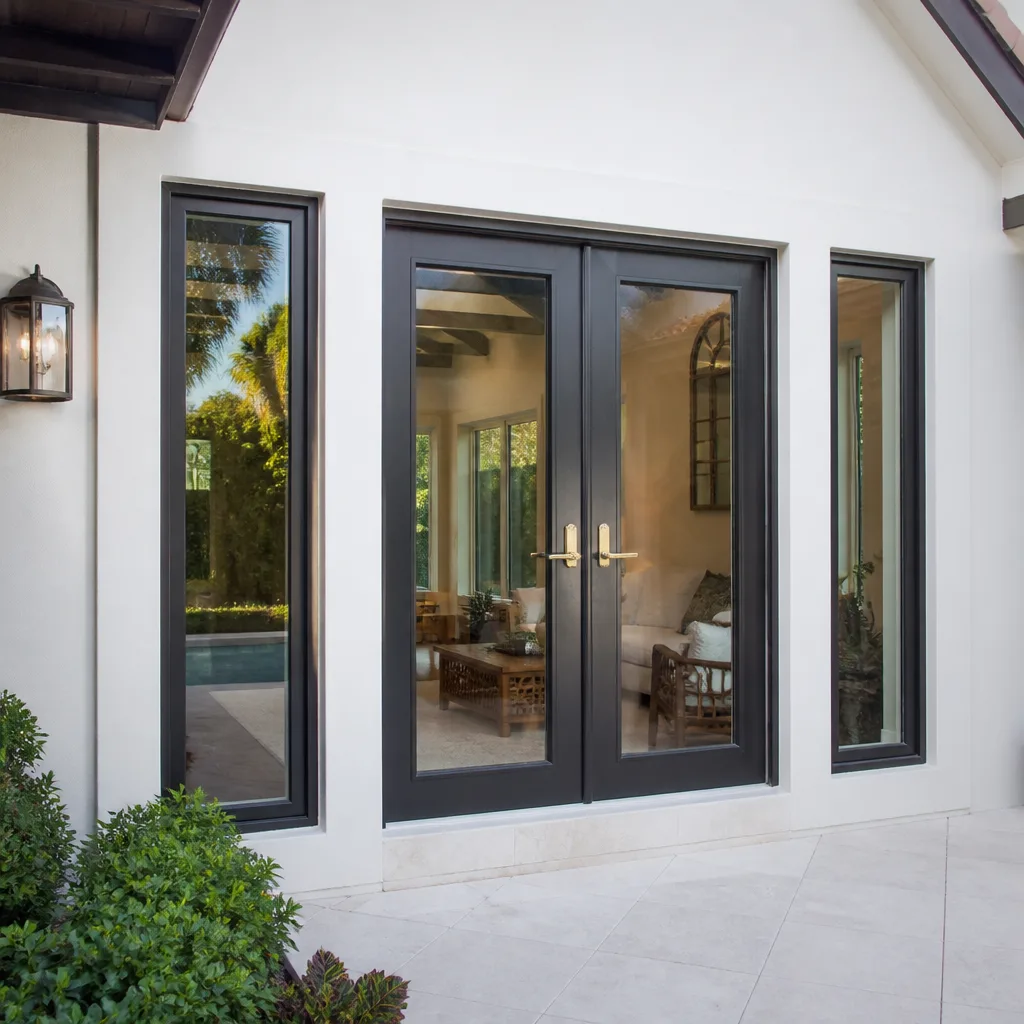 After
After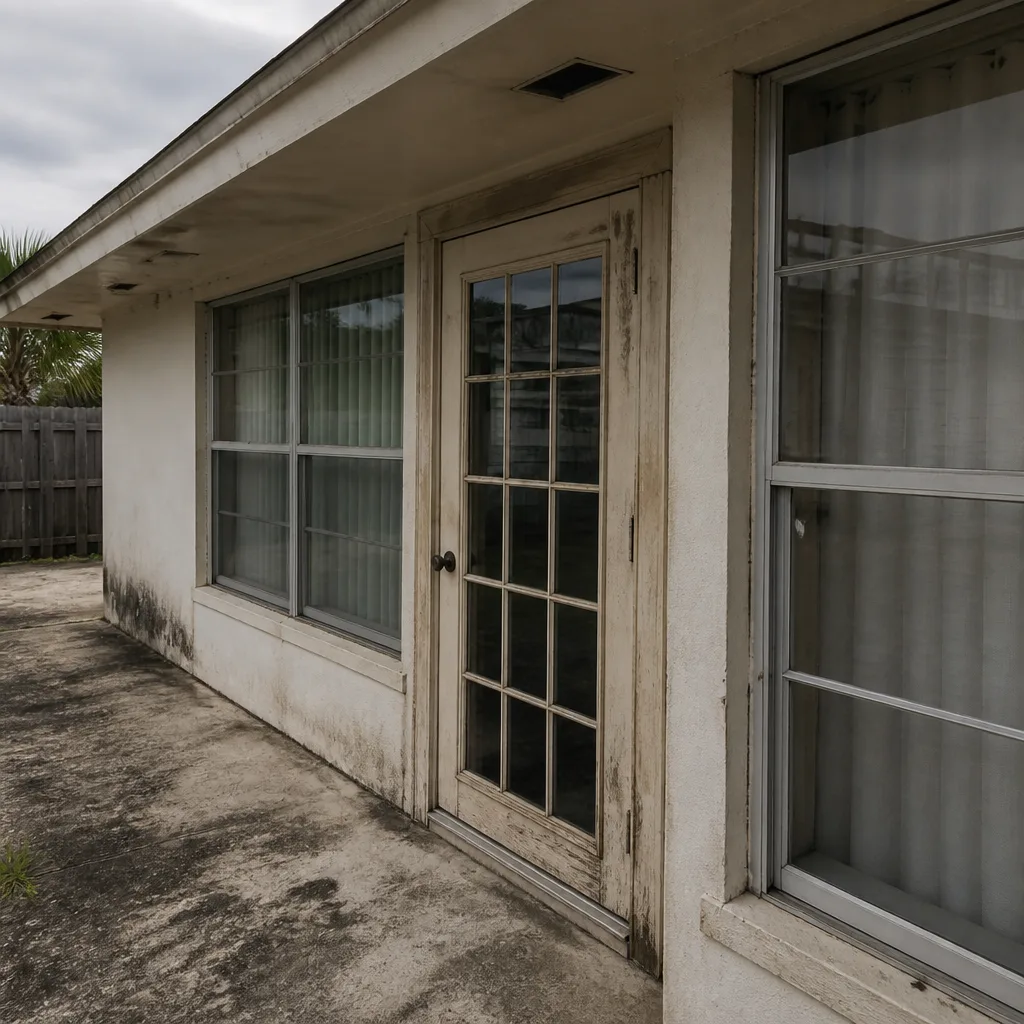 Before
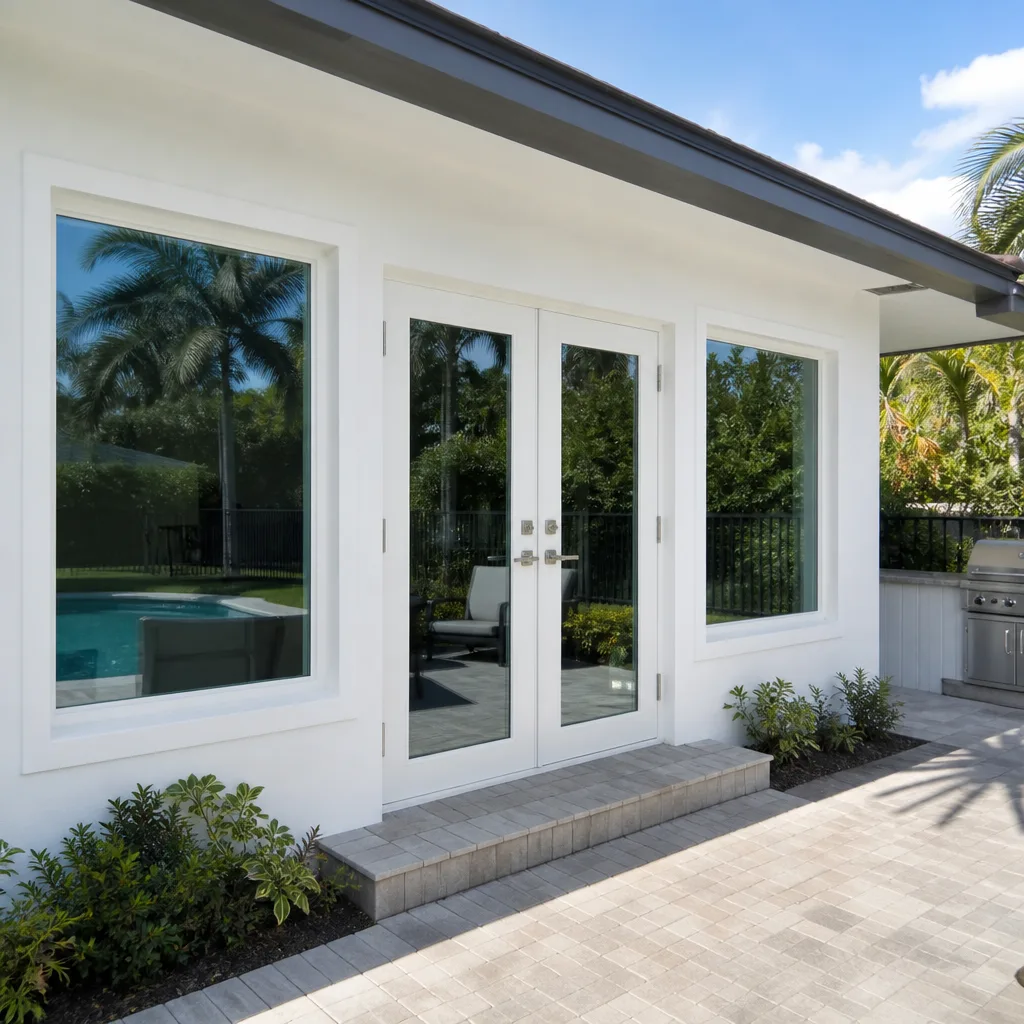 After
After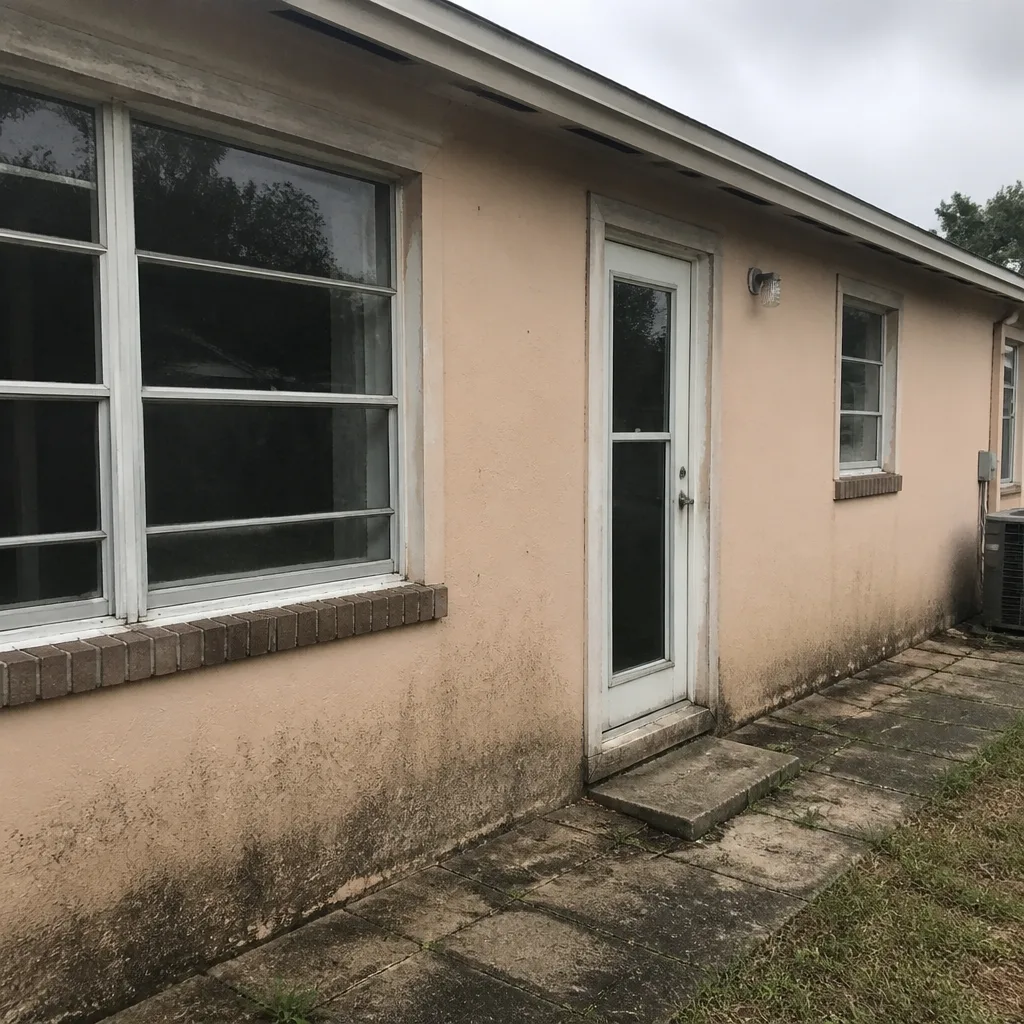 Before
 After
AfterSeasonal Windows & Doors Care for West Palm Beach: Year-Round Homeowner’s Guide
West Palm Beach doesn’t really have four seasons, and that’s precisely the problem. The dry season here, from November through April, pushes UV indexes into territory that would make a Chicago July blush, and that relentless sun quietly degrades seals, gaskets, and weatherstripping while homeowners assume the mild weather means low maintenance. Then the wet season arrives and every neglected component gets tested at once. This guide walks you through a care calendar built around West Palm Beach’s actual climate cycles, not a generic spring-and-fall checklist, so your windows and doors survive both extremes without turning into a mid-August emergency call. For more guides & resources, see our blog.
Quick Answer
Seasonal window and door care in West Palm Beach means following two distinct maintenance cycles: a pre-hurricane prep window in April and May focused on impact readiness, seal integrity, and water infiltration testing, plus a post-hurricane recovery and dry-season protection window in October and November centered on salt removal, UV damage repair, and hardware lubrication. Between those anchor points, you’ll need monthly track cleaning during lovebug season, quarterly screen inspections tied to no-see-um swarms, and caulk and sealant checks at least twice a year. Most tasks take under an hour, cost less than $50, and prevent the four-figure repairs we see most often in this market.
Table of Contents
- West Palm Beach’s Two Real Seasons: Dry Stress and Wet Stress
- Dry Season Care (November-April): The Silent Degrader
- Trade Winds and Salt: Why Dry-Season Air Corrodes Tracks Differently
- Pre-Hurricane Season Window and Door Prep (April-May)
- Wet Season Maintenance (June-October): Thresholds, Sweeps, and Pop-Up Storms
- Screen Care Tied to Lovebug and No-See-Um Seasons
- Caulk and Sealant: South Florida’s Thermal Expansion Problem
- Hardware Lubrication and Adjustment Schedule
- Common Mistakes to Avoid
- When to Call a Professional
- Frequently Asked Questions
- The Bottom Line
West Palm Beach’s Two Real Seasons: Dry Stress and Wet Stress
Strip away the calendar and West Palm Beach runs on two operational modes: a dry season that bakes and a wet season that blasts. Each one attacks windows and doors through completely different mechanisms, and treating them as a single “Florida weather” problem is how small issues become structural failures.
The dry season, roughly November through April, is what we call the silent degrader. Daytime highs in the upper 70s to low 80s feel pleasant, but the UV index regularly hits 8 to 11, which is categorized as “very high” to “extreme” by the EPA. That radiation doesn’t just fade curtains. It breaks down the polymer chains in vinyl weatherstripping, dries out rubber gaskets until they crack, and accelerates oxidation on aluminum frames, especially in coastal neighborhoods like El Cid, Southland Park, and along Flagler Drive where salt particles in the air add a corrosive kick. Homeowners who skip dry-season inspections often discover brittle seals only when the first June downpour finds them.
The wet season, June through October, is the overt stressor. Afternoon thunderstorms can dump two inches of rain in an hour, and that water arrives sideways. Windows and doors that passed a gentle hose test in February fail spectacularly when a 40 mph gust drives rain horizontally across a western-facing wall in Loxahatchee or the western communities. The failure point is rarely the glass. It’s the perimeter: thresholds, sweeps, corner joints, and the gap between the frame and the rough opening where caulk has shrunk or cracked.
Understanding which season you’re in determines what you inspect, what you lubricate, and what you replace. The calendar below follows that logic.
Dry Season Care (November-April): The Silent Degrader
Dry-season maintenance is about prevention, not reaction. The weather is cooperative, so this is when you catch problems before the wet season turns them into emergencies. We recommend blocking out one Saturday morning in November and another in February for the tasks below. Most take minutes, but they extend the life of your Impact Windows in West Palm Beach hardware and seals by years.
November: Post-Hurricane Recovery and Inspection
Once hurricane season officially ends on November 30, do a full walkaround. Even if no named storm hit West Palm Beach directly, months of rain, humidity, and wind have done cumulative damage. Here’s the sequence we use on our own service calls:
- Inspect every window track for debris and salt residue. Use a dry brush first, then a damp cloth with a 50/50 water and white vinegar solution. Vinegar dissolves salt crystals that plain water just smears around. Dry the track completely with a microfiber cloth, not paper towels, which leave lint that attracts more debris.
- Check all weatherstripping by closing a dollar bill in the sash or door. If the bill slides out easily, the seal is compressed and needs replacement. Test at the top, middle, and bottom of every operable window and door.
- Lubricate all moving hardware with a dry silicone spray. Avoid WD-40, which leaves an oily residue that attracts sand and salt. One light pass on hinges, rollers, and lock mechanisms is enough. Wipe away excess immediately.
- Inspect exterior caulk lines around every frame. Look for shrinkage cracks, gaps at brick mold or stucco transitions, and any area where caulk has pulled away from the substrate. Press gently with a fingernail; if it flexes, it’s compromised.
- Test every lock and latch for smooth operation. Salt corrosion makes locks stiff first. If you feel resistance, clean the mechanism with compressed air, then apply silicone lubricant. If stiffness persists, the internal springs are corroded and the lock will fail eventually.
February: Mid-Dry-Season Touch-Up
February is West Palm Beach’s sweet spot: temperatures in the 70s, low humidity, and the sun still doing its quiet damage. This is a lighter pass:
- Re-inspect caulk on south- and west-facing exposures. These walls take the most UV and caulk degrades faster here than anywhere else on the house.
- Clean glass with a vinegar-based solution to remove the fine salt film that dry-season trade winds deposit. Standard glass cleaners leave streaks in salt film; vinegar cuts through it.
- Check screen frames for dry rot and mesh brittleness. The dry air doesn’t cause this, but UV exposure does, and February is when accumulated sun damage becomes visible.
- Verify that all weep holes on sliding doors and windows are clear. Dry season debris collects in these channels, and if they’re clogged when the wet season starts, water has nowhere to go but inside the frame.
Trade Winds and Salt: Why Dry-Season Air Corrodes Tracks Differently
Most West Palm Beach homeowners assume salt is a summer problem, tied to ocean spray and storm surge. In reality, the dry-season northeast trade winds are a more insidious source of salt damage because they deliver fine, dry particulate salt that embeds itself in window tracks and door hardware, then sits there for months.
The mechanism works like this: during the wet season, salt arrives dissolved in rain and spray. It’s visible, it’s heavy, and homeowners rinse it off. During the dry season, the trade winds carry microscopic salt crystals from the Atlantic, across Singer Island and Palm Beach, and into every neighborhood west of the Intracoastal. These crystals are small enough to penetrate the gaps around closed windows, and because there’s no rain to wash them away, they accumulate in tracks, between sash channels, and inside lock mechanisms. Once humidity returns in June, that dry salt absorbs moisture and becomes a concentrated brine that corrodes aluminum, pits stainless steel, and seizes hardware.
The fix is consistent: dry-season track cleaning isn’t cosmetic. It removes the salt before it reacts with humid air. We recommend wiping tracks with the vinegar solution described above every four to six weeks from November through April, with particular attention to north- and east-facing windows that catch the brunt of the trade winds. Homes in Northwood Hills, Old Northwood, and along Broadway see more of this than inland areas, but no neighborhood is immune.
For hardware, the same principle applies. A winter lock that feels slightly stiff is already corroding internally. Addressing it in February with cleaning and silicone lubricant costs nothing. Ignoring it means replacing the lock or the entire multipoint mechanism by August, and that’s a $150 to $400 repair depending on the hardware brand.
Pre-Hurricane Season Window and Door Prep (April-May)
Hurricane season officially starts June 1, but the smart prep work happens in April and May when the weather is still dry enough to make repairs that need time to cure. This is also the window to schedule any professional inspections or Window Replacement in West Palm Beach work before service calendars fill up. By mid-June, contractors are booked weeks out.
The HVHZ Context
West Palm Beach sits in Florida’s High Velocity Hurricane Zone (HVHZ), which encompasses Palm Beach, Broward, and Miami-Dade counties. This isn’t a bureaucratic footnote; it’s the strictest building code zone in the country for windborne debris protection. Your windows and doors, if they’re impact-rated or protected by shutters, are engineered to survive a 2×4 fired at 50 feet per second. But that protection only works if the frames, seals, and hardware are in serviceable condition. An impact-rated window with a rotted frame corner or a failed gasket offers no more protection than a standard window, and it gives you a false sense of security.
Pre-Season Checklist
- Test every impact window for proper seating. Open each sash fully, then close and lock it. Listen for the lock engaging cleanly. If a window fights you, the frame may have shifted, and in an HVHZ home, that’s a structural concern, not just an annoyance.
- Inspect the caulk bead around every exterior frame joint. During a hurricane, wind-driven rain finds entry through gaps as small as 1/16 inch. In a 130 mph storm, that small gap admits water at pressure, and the resulting damage is rarely covered cleanly by insurance if maintenance neglect is documented.
- Verify that all exterior doors close flush against weatherstripping. Pay special attention to the top corners and the threshold. Gaps here are the most common water entry point during wind-driven rain.
- Check that all glazing beads and gaskets are intact. These are the rubber or vinyl strips that hold the glass in the frame. Sun damage causes them to shrink and crack, and a compromised gasket lets water sit against the glass edge, which eventually causes seal failure and fogging.
- Clean and test door thresholds. Sweeps wear unevenly, and a threshold that looks fine from above can be hollowed out underneath. Open the door, inspect the underside of the sweep, and run your hand along the threshold for soft spots.
- Document everything with photos. If you have an insurance claim later, photographic evidence of pre-season maintenance strengthens your position significantly. Date-stamp the photos.
For homeowners with older windows that predate the current HVHZ code, April and May are the time to plan an upgrade. Window Installation in West Palm Beach is a multi-week process from measurement to installation, and starting it in the middle of hurricane season means living with a partially protected house during the riskiest months of the year.
Wet Season Maintenance (June-October): Thresholds, Sweeps, and Pop-Up Storms
West Palm Beach’s wet season doesn’t announce itself with gentle showers. It arrives with afternoon thunderstorms that appear out of nowhere, dump a half-inch of rain in twenty minutes, and disappear just as fast. These pop-up storms are responsible for more door-related water intrusion than hurricanes, because the water arrives at the most vulnerable point of every entry door: the threshold.
Why Thresholds Fail First
A door threshold is a surprisingly complex assembly. It includes the visible metal or wood cap, an adjustable riser underneath, corner gaskets that seal against the door jamb, and a sweep attached to the bottom of the door slab. Every one of those components ages differently. The sweep wears unevenly from foot traffic. The corner gaskets crack from sun exposure. The adjustable riser settles as the house shifts. By June, a door that was watertight in February may have a 1/8-inch gap at one corner, and during a pop-up storm with wind, that gap admits water at pressure.
The check is simple and takes 30 seconds per door:
- Close the door and look at the gap between the bottom of the door and the threshold from inside. You should see no daylight. If you do, the sweep or the threshold riser needs adjustment.
- Run a hose at low pressure along the bottom of the door from outside. Have someone inside watch for water. Do this on a dry day so any intrusion is obvious.
- Check the corners of the threshold, where the door jamb meets the floor. Run your fingers along these joints. If caulk is missing or cracked, water gets driven inside by wind pressure, even if the sweep and threshold are working correctly.
- Inspect the door’s bottom sweep for wear patterns. Sweeps wear more at the latch side, where the door’s weight concentrates. Replace the sweep if the wear pattern is uneven by more than 1/16 inch.
Mid-Wet-Season Window Checks
Windows face their own wet-season stresses. The constant humidity, often 80% or higher, causes wood frames to swell and vinyl frames to soften slightly. Operable windows that opened easily in March suddenly stick. Don’t force them. A stuck window is a signal that the frame is under stress, and forcing it will crack the frame or bend hardware. Instead:
- Check the weep holes first. On every horizontal sliding window and sliding glass door, there are small drain holes on the exterior side of the bottom track. These exist to channel water that gets past the first line of defense back outside. If they’re clogged with debris, water accumulates inside the track, soaks into the frame, and causes swelling that sticks the window.
- Lubricate tracks with a silicone spray after cleaning. Wet-season humidity makes debris cling, and silicone creates a dirt-repellent surface that keeps tracks cleaner longer.
- Never use petroleum-based lubricants on window tracks. They attract dirt, combine with humidity to form a sludge, and accelerate wear on rollers and guides.
We’ve seen the same story play out in neighborhoods from South End to Westgate: a window that sticks in July gets forced open, the frame cracks, and by August the homeowner has a full Window Replacement in West Palm Beach on their hands instead of a $20 can of silicone spray. The wet season punishes impatience more than any other factor.
Screen Care Tied to Lovebug and No-See-Um Seasons
West Palm Beach has two distinct insect seasons that damage screens in different ways, and a screen maintenance schedule that ignores them is worthless. Lovebugs arrive in late April and May, then again in September. No-see-ums peak from May through October and are small enough to pass through standard 18×16 mesh, which is why fine-mesh screens exist and why their condition matters.
Lovebug Season: Acid Damage
Lovebugs don’t bite, but they are acidic. When swarms splatter across screens, their bodies decompose and release acids that etch the screen mesh and, over time, weaken it. A screen that survives one lovebug season intact may be structurally compromised enough to tear during the next one. The fix is straightforward but specific:
- Remove lovebug residue within two weeks of the swarm ending. Spray the screen with warm water first to rehydrate the residue, then use a soft brush with dish soap. Scraping dry lovebug remains off a screen tears the mesh.
- Inspect for small tears after every lovebug season. Lovebug damage often shows up as pinprick holes where individual bugs decomposed against the mesh. These holes are the entry point for no-see-ums.
No-See-Um Season: The Mesh Test
No-see-ums, also called biting midges, are tiny enough to pass through any tear larger than 1/32 inch. If your screens have damage from lovebugs, age, or UV degradation, no-see-ums find it. In neighborhoods near standing water, like the canals in Lake Clarke Shores or the wetlands near Grassy Waters Preserve, no-see-um pressure is intense from May through October.
- Test your screens with a flashlight at night. Go outside and shine the light through the screen. Any tear or gap will show as a bright pinpoint.
- Check the screen spline, the rubber cord that holds the mesh in the frame. Sun exposure embrittles the spline, it shrinks, and the mesh pulls out of the channel, leaving a gap along the frame edge. This is the most common no-see-um entry point we see.
- Replace damaged mesh with 20×20 fine mesh if no-see-ums are a problem. Standard mesh is 18×16. Fine mesh reduces airflow slightly but blocks the midges entirely.
Screen frames themselves also degrade. Aluminum frames corrode from salt exposure, and the corners, where the frame pieces join, are the first point of failure. A corroded corner lets the frame pull apart, which lets the mesh sag, which creates gaps. Check screen corners every quarter by gently twisting the frame; if it flexes at the joint, the corner is failing.
Caulk and Sealant: South Florida’s Thermal Expansion Problem
West Palm Beach’s temperature swing between a December night and an August afternoon isn’t the widest in the country, but it’s uniquely hard on caulk and sealant because of the humidity cycle. A December night might drop to 48 degrees. An August afternoon pushes 92. That’s a 44-degree swing, but the real stress comes from the humidity differential: December air carries almost no moisture, while August air is saturated. Building materials expand and contract, and caulk has to flex through every one of those cycles.
Standard acrylic latex caulk, the stuff sold at every big-box store, has a movement capability of about 10%. In South Florida’s thermal expansion environment, that’s not enough. Caulk lines on west-facing walls, which see the most extreme daily temperature swings, crack within 18 to 24 months. East-facing walls, which catch morning sun and afternoon shade, last a bit longer but still fail within three years under coastal conditions.
The professional standard for this climate is a high-performance elastomeric sealant or a polyurethane-based caulk with movement capability of 25% or higher. These products cost $8 to $15 per tube versus $3 for cheap latex, but they last five to seven years, and they don’t shrink away from the substrate. When we inspect homes, the number one cause of water intrusion around windows and doors is failed caulk, and the number one cause of failed caulk is using the wrong product.
Here’s the cadence we recommend:
- Inspect all caulk joints twice a year, in April and October. These are the transition months between dry and wet season, and damage from the previous season is most visible.
- Focus on the bottom horizontal joints first. Water collects here, and gravity does the rest. If bottom joints are intact but top joints are cracked, you have time. If bottom joints are compromised, address them within a week.
- Apply caulk only in dry weather, when temperatures are between 50 and 85 degrees. In West Palm Beach, that narrows the window to November through April. Summer caulk applications in high humidity often fail because moisture gets trapped under the bead.
- Cut out failed caulk completely before re-caulking. New caulk over old caulk doesn’t bond, and the failure returns within months.
Hardware Lubrication and Adjustment Schedule
Window and door hardware in West Palm Beach lives in an environment that wants to destroy it. Salt, humidity, UV exposure, and fine sand all conspire to wear out hinges, rollers, locks, and operators faster than in any other climate in the country. But hardware isn’t binary; it doesn’t fail suddenly without warning. It degrades gradually, and a maintenance schedule catches that degradation early. For help spotting trouble before it becomes expensive, see Windows & Doors Warning Signs: A West Palm Beach Homeowner’s Reference Guide.
The universal schedule that works for our climate is simple: lubricate everything in November and May, inspect everything in February and August. Four maintenance touches per year, spaced to catch damage from both the dry and wet seasons, prevents most hardware failures.
What to Lubricate and How
- Window hinges and pivot bars: Use a dry silicone spray. Apply one short burst to each pivot point, open and close the window three times to distribute, then wipe excess. Excess lubricant attracts sand.
- Sliding door and window tracks: Clean thoroughly first, then apply a light coat of silicone spray to the track. Never apply to the rollers directly; silicone on the track is enough and prevents the rollers from accumulating debris.
- Door hinges: Apply a drop of lightweight machine oil to each hinge pin annually. If a door squeaks, oil solves it. If it still squeaks after lubrication, the hinge is worn and needs replacement.
- Lock cylinders and latch mechanisms: Use a dry graphite lubricant, not oil. Oil inside a lock attracts dirt and causes sticking. Graphite stays dry and clean.
- Casement window operators: These crank mechanisms need grease on their internal gears, but they’re sealed units. Apply silicone spray to the crank handle pivot and the hinge arms. If the crank feels rough or slips, replace the operator rather than forcing it.
Hardware Adjustment Points
Most window and door hardware is adjustable, and seasonal changes make those adjustments necessary. Door slabs that bind in August humidity often swing freely in February. Window sashes that stick in the wet season slide easily when the air dries out. Rather than forcing misbehaving hardware, adjust it:
- Door hinges have adjustment screws that raise or lower the slab by up to 1/8 inch. If a door rubs at the top corner during humid months, adjust the top hinge. This is a five-minute fix with a hex key.
- Sliding door rollers are adjustable through slots at the bottom of the door. If the door drags, adjust the roller height rather than forcing the door. Dragging doors wear out rollers prematurely, and worn rollers score the track, and a scored track means a new door.
- Double-hung window balances are tensioned by design. If a sash won’t stay open, the balance needs replacement, not adjustment. But if a sash is difficult to move, cleaning the tracks and lubricating often solves it.
Common Mistakes to Avoid
- Using WD-40 on window tracks or lock mechanisms. WD-40 is a penetrating solvent, not a lubricant. It dissolves existing lubricants, leaves a sticky residue that attracts salt and sand, and within months the hardware is worse than before. Use silicone spray for tracks and graphite for locks.
- Cleaning tracks with water during the wet season. Water poured into a window track finds its way into the frame and wall cavity, especially if weep holes are clogged. Always dry-clean first, then use a damp cloth, never a running hose.
- Ignoring a window that sticks, assuming it’s just humidity. Sticking is a symptom. It means the frame is under stress, and forcing it causes cracks, broken hardware, and failed seals. Find the cause before applying force.
- Replacing weatherstripping without cleaning the channel first. Old adhesive and debris prevent the new weatherstripping from seating properly, and the seal fails within weeks. Clean the channel completely, then install.
- Waiting until a named storm is approaching to inspect impact windows. If a problem is found in August when a storm track is heading toward Palm Beach County, there’s no time to fix it properly. Pre-season inspection in April and May buys you the time to address issues.
- Painting over caulk. Paint bonds to caulk, not through it. The caulk underneath continues to degrade, pulls away from the frame, and the paint hides the failure until water damage appears. Scrape off old caulk, re-caulk, then paint if needed.
- Assuming impact windows need zero maintenance. Impact-rated glass and frames are stronger, but the seals, gaskets, and hardware around them are the same materials used on standard windows and they degrade at the same rate. Impact windows still need the maintenance schedule described here.
When to Call a Professional
Some issues are beyond what a homeowner should tackle. If you find cracked glass in an impact window, call a professional immediately; in an HVHZ home, a cracked impact window is a structural compromise, not a cosmetic issue, and temporary fixes like tape will not restore protection. If water is entering around a window or door frame and you can’t identify the source with a hose test from outside, the leak may be in the wall above the frame, not the frame itself. Fogged glass between panes means the seal has failed and the glass unit needs replacement; this is not a repair you can do from the outside. If a door or window frame is visibly rotting, warped, or separated at the corners, the entire unit may need replacement. And if you’re planning to replace windows or doors in an HVHZ home, the work must comply with Palm Beach County’s permitting and product approval requirements, which is why we recommend reviewing Windows & Doors Permits, Codes & Inspections in FL: What You Need to Know before starting any project.ot a DIY project. Winslow Windows & Doors offers free estimates in West Palm Beach, and Ed Winslow’s name is on the door and on every job we do. Call (561) 660-9539 and a live person answers, 24/7, no voicemail loops.
Frequently Asked Questions
If you do it yourself, the annual cost runs $40 to $80 for silicone spray, graphite lubricant, caulk, weatherstripping, and cleaning supplies, plus a few hours of your time spread across the year. Professional maintenance inspections in West Palm Beach typically cost $150 to $350 depending on the number of openings, and many companies, including ours, offer free estimates for any repair work identified during an inspection. Call (561) 660-9539 to schedule a free estimate and get an exact number for your home.
Inspect everything twice a year, in April and October, with focused monthly checks on specific components during their stress seasons. The April inspection catches wet-season vulnerabilities before hurricane season starts. The October inspection catches post-summer damage before the dry season accelerates it. Monthly checks during lovebug season in May and September, and during the dry season’s salt wind months from December through March, address the issues that build up gradually.
The maintenance schedule is the same, but the stakes are higher. Impact windows rely on their frames, gaskets, and hardware to deliver their rated protection, and a failed gasket or corroded frame compromises that protection. In an HVHZ home, a neglected impact window is no safer than a standard window, and because impact windows cost $800 to $1,500 per opening to replace, maintenance neglect is expensive. The same schedule applies; the urgency is greater.
Summer humidity causes materials to swell. Wood frames absorb moisture directly. Vinyl frames soften and expand from heat. The most common cause, however, is clogged weep holes that trap water in the frame track, which soaks the frame and causes additional swelling. Clean the tracks, clear the weep holes, and lubricate with silicone spray before forcing the window. If the sticking persists after cleaning and lubrication, the frame may be misaligned and needs professional adjustment.
The best window replacement window in West Palm Beach is November through April, when dry weather allows clean installation and proper caulk curing. Hurricane season is the worst time, because you want your home fully protected before June 1, and scheduling in the middle of a season that threatens storms risks leaving your house partially exposed. That said, Ed Winslow’s team at Winslow Windows & Doors installs year-round, because sometimes a broken window can’t wait. Call (561) 660-9539 to discuss your specific situation.
Adjust the threshold first using the riser screws on most modern thresholds; if water intrusion stops, the threshold was the problem. If water still enters after adjustment, inspect the sweep and corner gaskets, which are replaceable components that cost $15 to $60. If the threshold itself is cracked, rotted, or the metal cap has separated from the base, replace the entire threshold. A professional can assess this in minutes during a free estimate; call (561) 660-9539 and we’ll come to you with no trip charge inside our home county.
The Bottom Line
West Palm Beach windows and doors don’t need more maintenance than homes in other climates; they need the right maintenance at the right times. The dry season demands salt removal, UV inspection, and caulk repair before the thermal stress becomes visible. The wet season demands threshold sweeps, weep hole clearing, and a no-force policy on stuck windows. Lovebug seasons demand screen cleaning within two weeks of swarms. And everything cycles back to the two anchor inspections: April and October, pre-hurricane and post-hurricane. Follow this cadence, use the right products, and don’t force anything that resists. When in doubt, call a professional before a small problem becomes a big one. It’s cheaper, every single time.
Written by Ed Winslow, Owner at Winslow Windows & Doors, serving West Palm Beach since 2011.
Six Reasons Homeowners Choose Winslow Windows & Doors
Impact systems engineered to design pressures up to +/-100, matched to your wind zone - your openings hold when the storm arrives.
Low-E insulated impact glass from our manufacturer lines commonly cuts monthly cooling bills 20-30%.
Laminated impact glass shuts out up to 40% of outside noise - traffic, neighbors, weather.
Monitoring services run $30-90 a month. Laminated impact glass resists forced entry around the clock, with no subscription.
Florida homeowners average around 25% savings on the windstorm portion of their policy after protecting every opening - some homes qualify for more.
A full impact package upgrades curb appeal, buyer confidence and appraised value in one project.