
Free in-home measure and quote - PGT, CGI and CWS impact lines compared on your actual openings, style by style
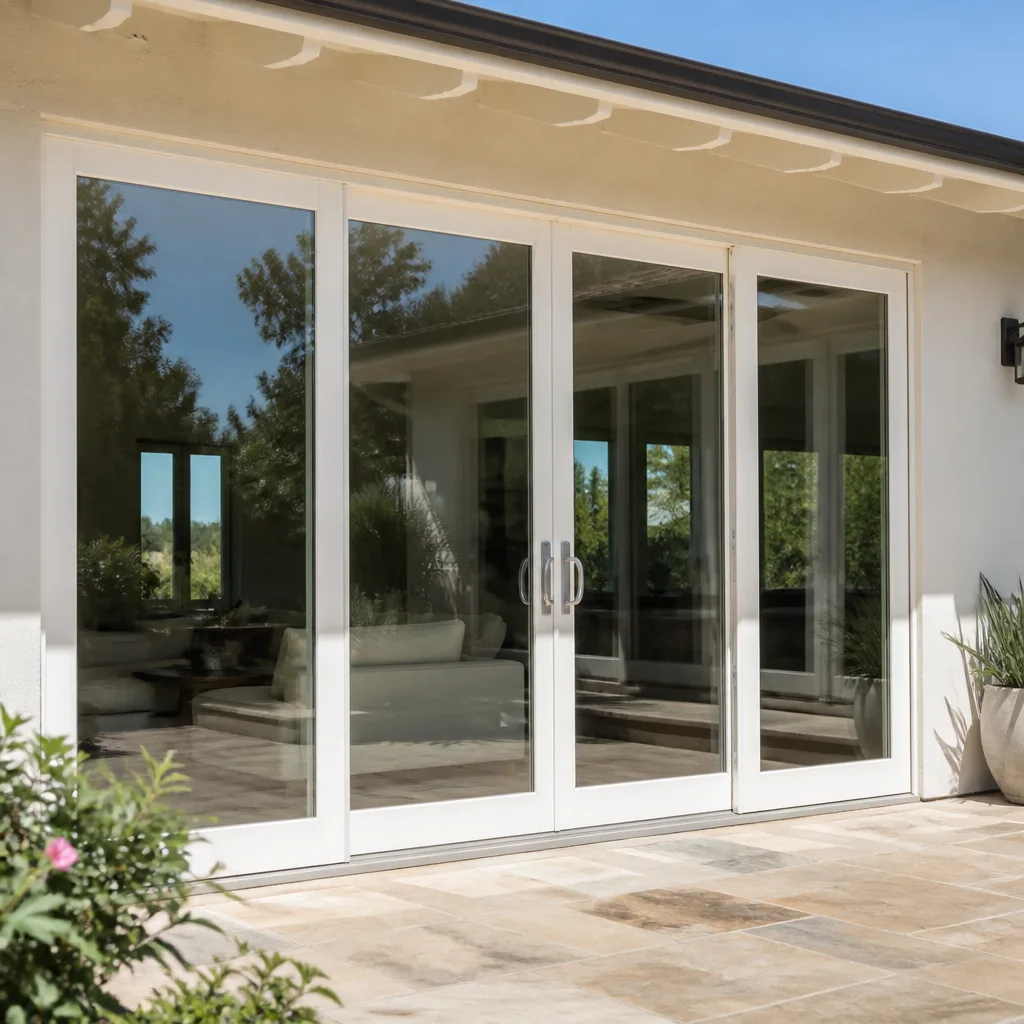
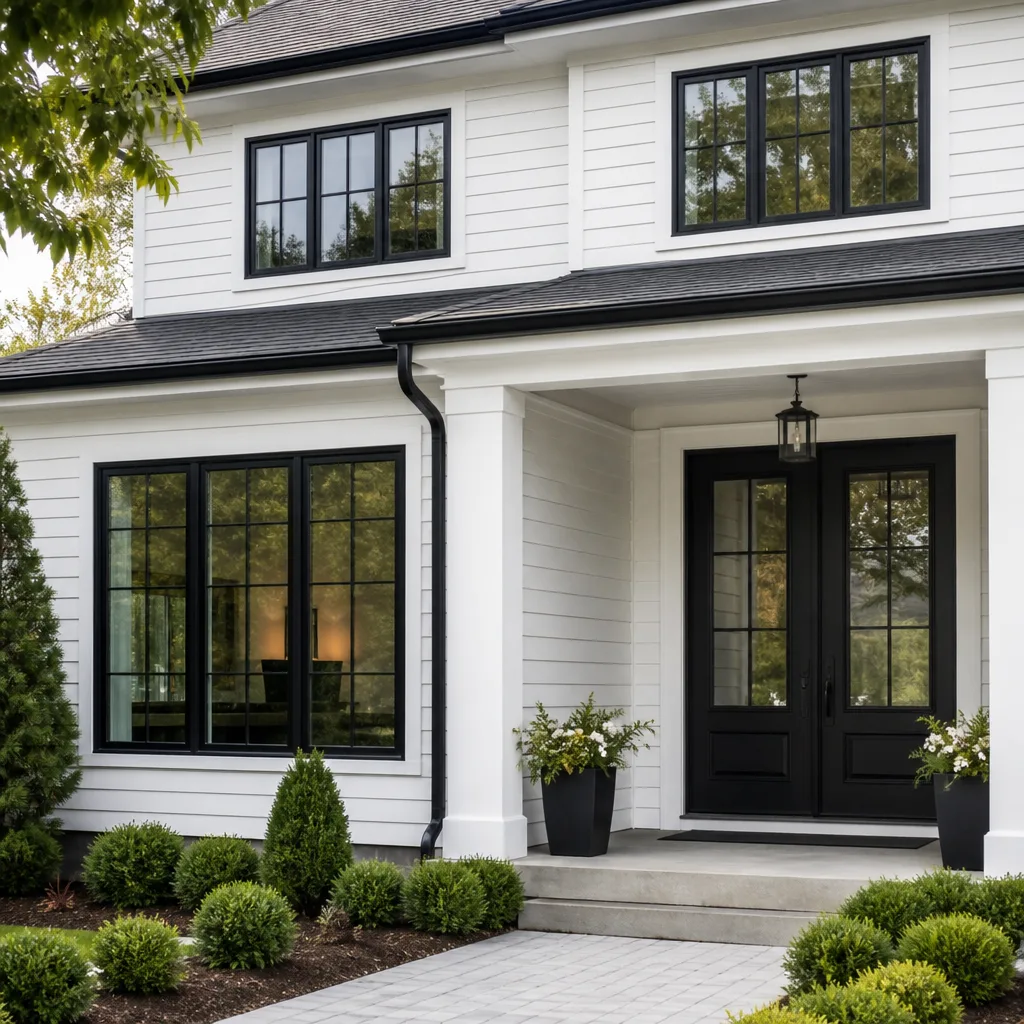
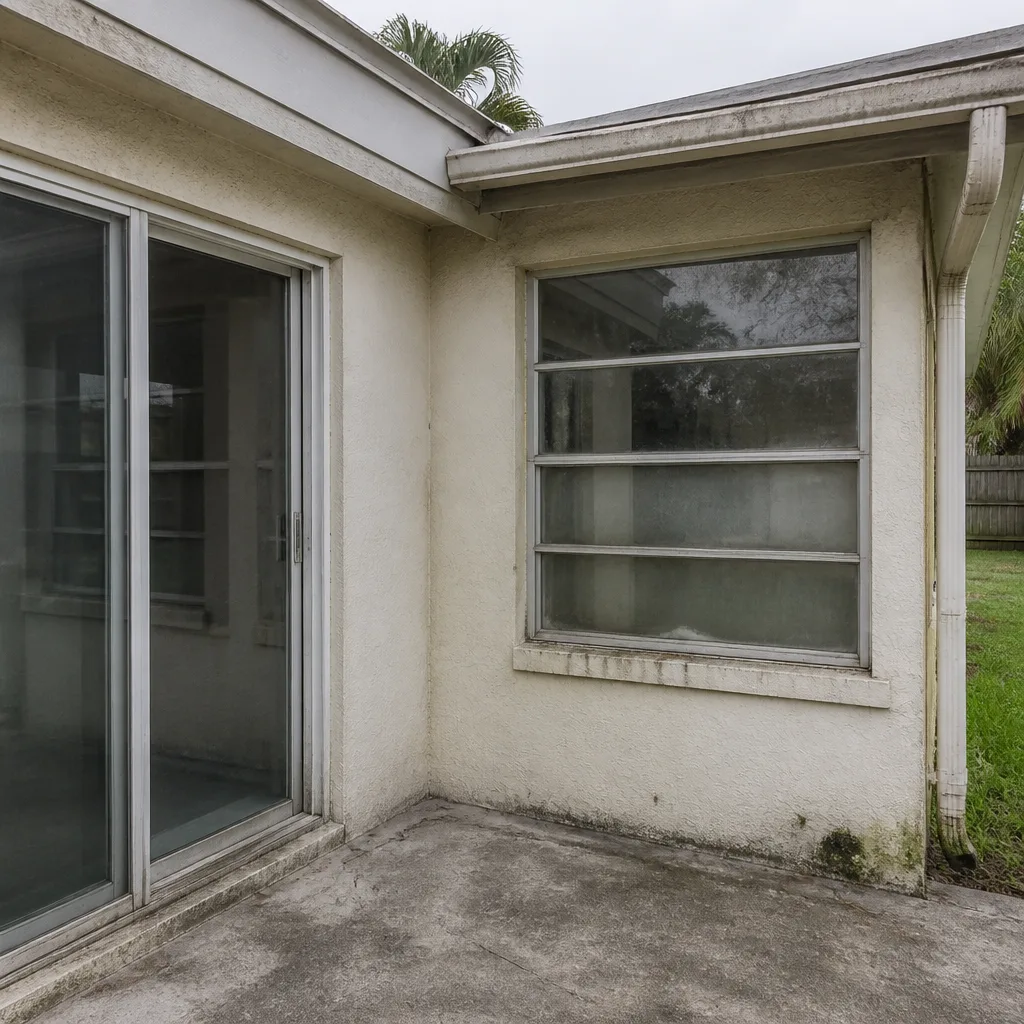 Before
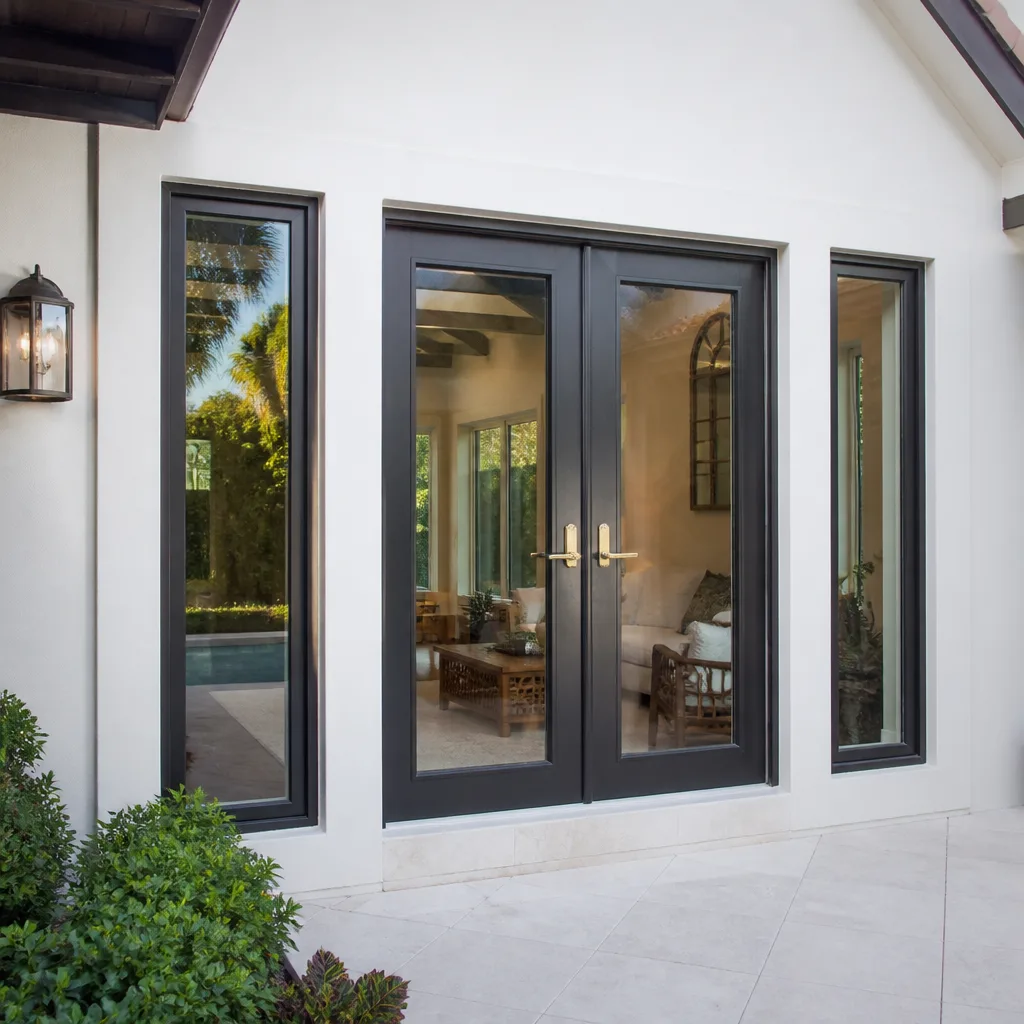 After
After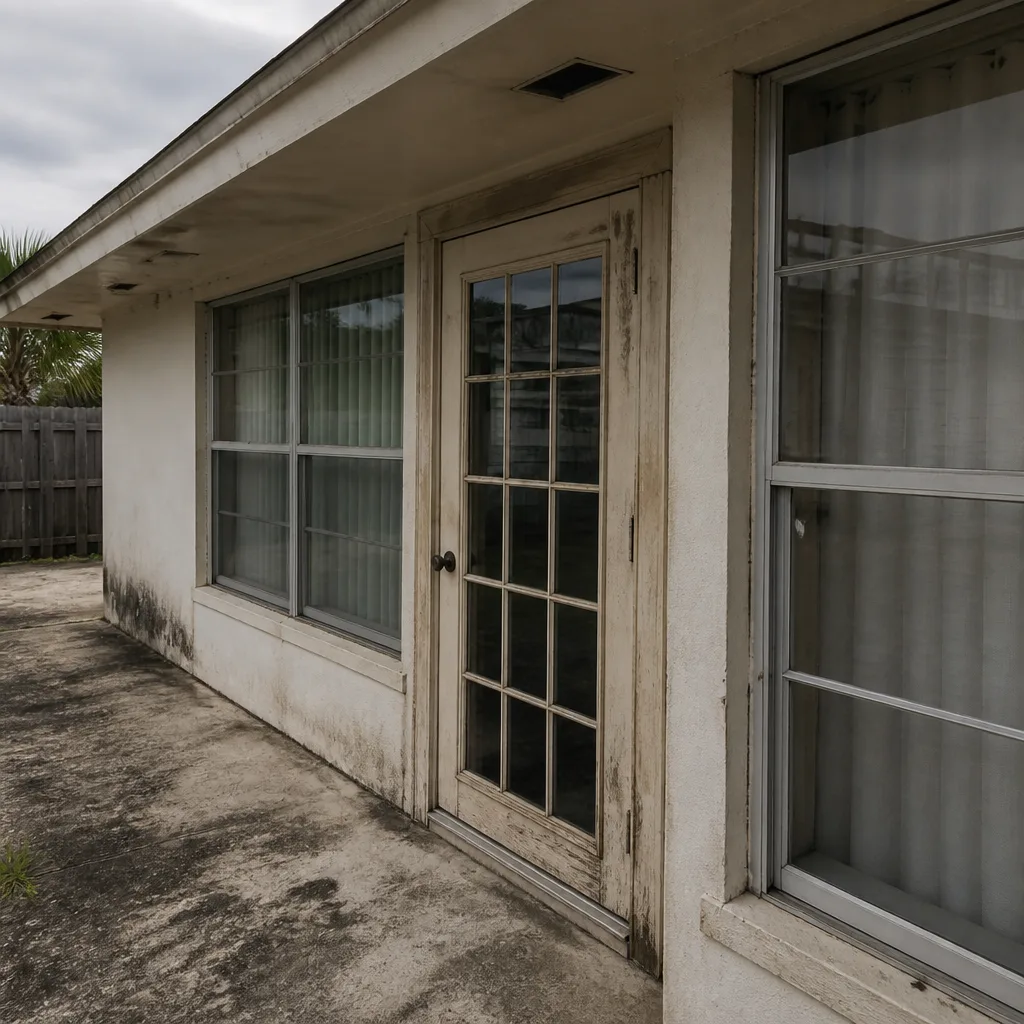 Before
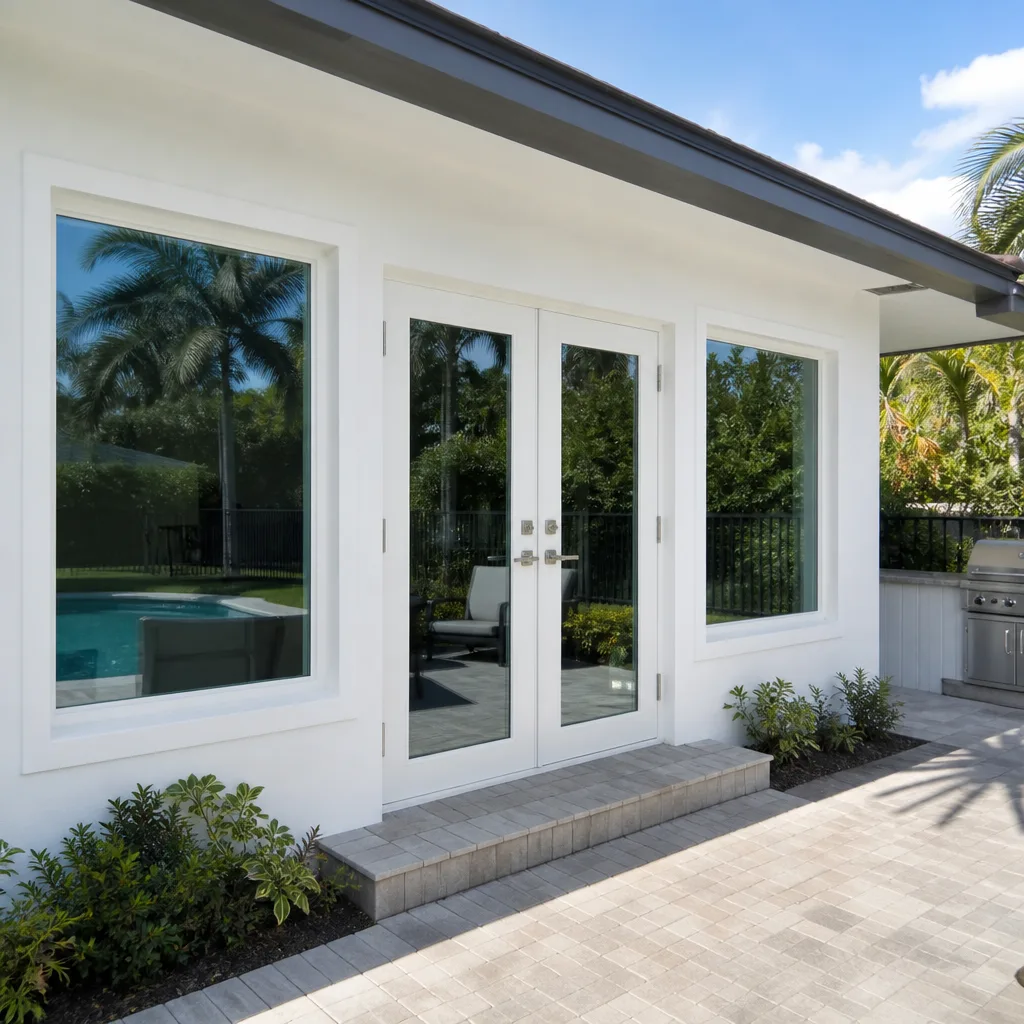 After
After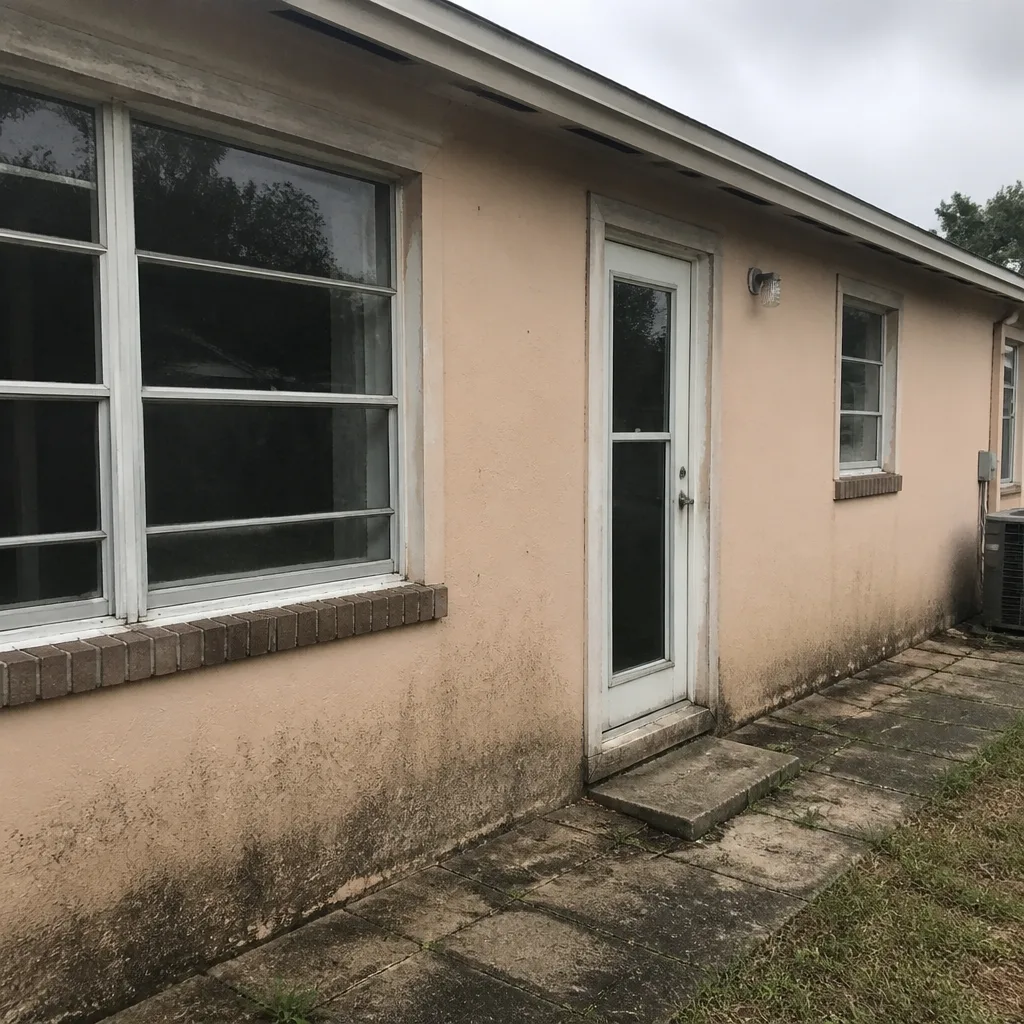 Before
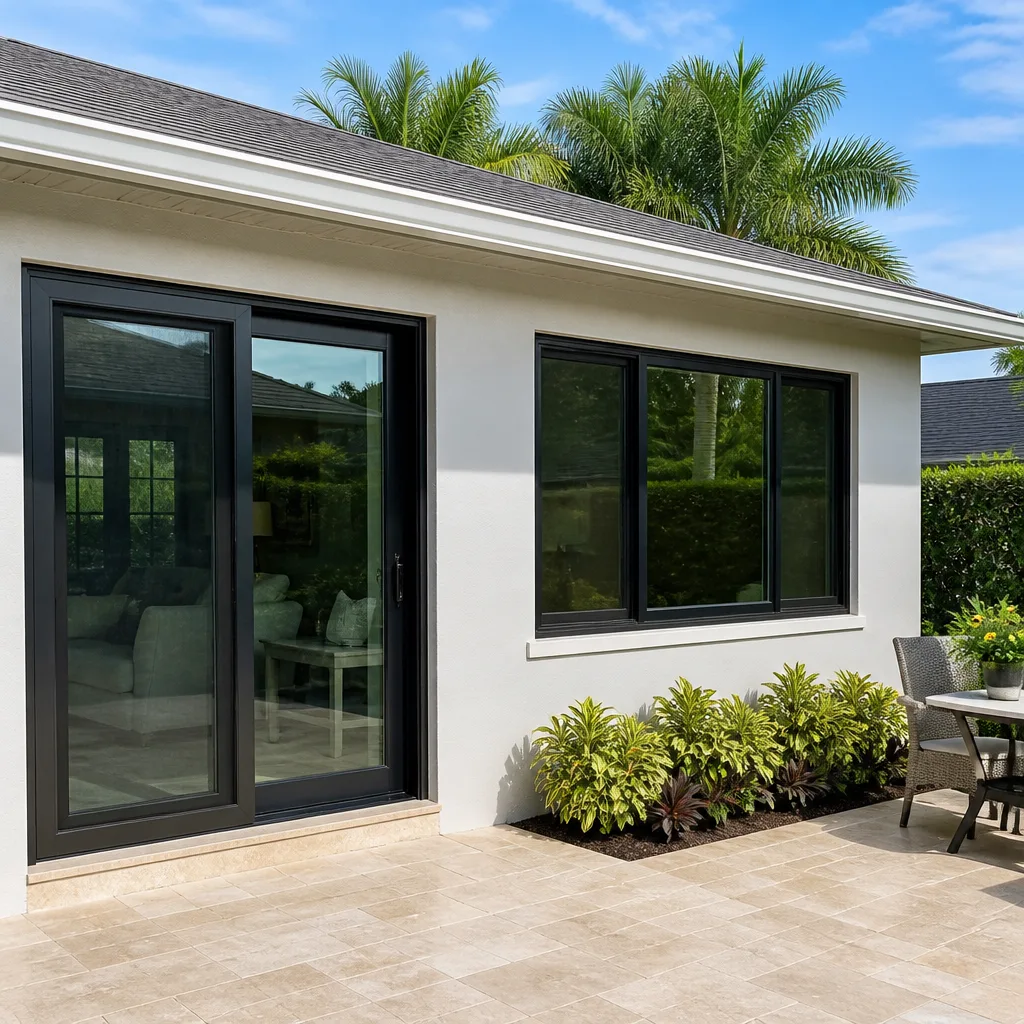 After
AfterWindow Energy Audits & Ratings in West Palm Beach, FL
A window energy audit for a West Palm Beach home is a systematic inspection that measures how much heat, air, and humidity your existing windows are letting through – then assigns those windows a performance rating so you know exactly where your cooling dollars are going. Most audits take two to three hours, cost between $150 and $350, and consistently reveal that older single-pane or non-impact windows are responsible for 25 to 40 percent of a home’s total cooling load. If your Florida Power & Light bill climbs every June regardless of what your thermostat says, that number is worth knowing.
At Winslow Windows & Doors, Ed Winslow has been doing this work since 2011 – locally owned, owner-operated, with a published address and license number you can look up. We’re not a call center dispatching strangers. When you call (561) 660-9539, a live person picks up, and the technician who shows up will be background-checked, in uniform, and carrying calibrated equipment, not guesswork. This page is part of our broader work on Energy-Efficient Windows in West Palm Beach, but audits deserve their own conversation because they’re the diagnostic step that makes every other decision – repair, upgrade, or full replacement – actually make sense.
When You Need Window Energy Audits & Ratings
West Palm Beach’s climate is not forgiving to underperforming windows. The combination of 90-degree summers, high humidity pushing into the low 80s, and salt-laden air off the Intracoastal means windows degrade faster here than almost anywhere else in the country. Below are the most common situations where a formal audit pays for itself immediately.
- Your cooling bill keeps climbing even though your HVAC is in good shape. If your air conditioner was serviced recently and you’re still seeing bills above what your neighbors pay for similar square footage, the windows are the most likely culprit. We see this consistently in older Northwood Hills and Flamingo Park homes where original single-pane aluminum frames have never been upgraded.
- You feel warm air near the glass on a sunny afternoon. In West Palm Beach, south- and west-facing windows take direct solar load from roughly noon to sunset. If you can feel radiant heat standing near those windows, the U-factor and Solar Heat Gain Coefficient (SHGC) of the glass are almost certainly out of range for this climate zone.
- Condensation forms on the interior surface of the glass. Interior condensation in our climate usually means the glass surface temperature is dropping below the dew point – which happens when a failed insulated glass unit (IGU) has lost its argon fill and low-e coating effectiveness. An audit can confirm whether the seal has failed or whether it’s a humidity-control issue inside the home.
- You’re preparing to buy or sell a home in West Palm Beach. Energy rating documentation – specifically NFRC-labeled window performance data – is increasingly requested during real estate transactions in Palm Beach County. Buyers want to know what they’re inheriting, and sellers who can show verified ratings often recover the audit cost several times over in negotiation.
- You’re applying for a Florida utility rebate or federal energy tax credit. The federal Energy Efficient Home Improvement Credit (25C) requires that replacement windows meet specific ENERGY STAR ratings for Climate Zone 2 (which covers West Palm Beach). An audit documents current performance and establishes the baseline that proves your upgrade qualifies.
- Your windows are more than 15 years old and have never been assessed. Impact windows installed before 2010 may carry the right Miami-Dade Notice of Acceptance (NOA) for storm protection but still fall short of current Florida Building Code energy requirements. The two standards are separate, and many homeowners don’t realize their “impact” windows may score poorly on thermal performance.
Our Window Energy Audits & Ratings Process
We follow a structured process that produces a written report, not just a verbal opinion. Every audit gives you documented numbers you can use for rebate applications, real estate disclosures, or contractor bids. Here’s how it goes from first call to final report.
- Pre-audit consultation and home profile. Before we arrive, we’ll ask about your home’s age, your current utility bills, and any specific rooms that feel uncomfortable. West Palm Beach neighborhoods vary significantly – a 1940s CBS home in El Cid behaves very differently from a 2005 concrete block build in Westgate or a newer townhome near Clematis Street. Knowing the build type and orientation lets us prioritize where to spend time on-site.
- Visual and physical inspection of every window unit. We examine frames, sashes, seals, glazing, and hardware on every window in the home. We check for frame warping (common in west-facing aluminum frames that absorb full afternoon sun), failed IGU seals visible as fogging between panes, and weatherstripping gaps that short-circuit even a high-performing glass unit. This step alone often surfaces two or three windows that are dragging down the whole home’s performance.
- Thermal imaging and air infiltration testing. Using infrared thermography, we map temperature differentials across glass surfaces and frames while the air conditioner is running. Hot spots show up clearly on the thermal camera. Where we have access to blower-door equipment or can coordinate with an energy auditor, we can also measure air changes per hour at the window perimeter. In older West Palm Beach homes with original wood frames, air infiltration at the glazing stops is often where the most heat enters.
- NFRC label cross-reference and ENERGY STAR zone check. We document the National Fenestration Rating Council (NFRC) label data for each window where it’s visible – U-factor, SHGC, visible transmittance, and air leakage rating. We compare those figures to Florida Building Code Table R402.1.2 requirements for Climate Zone 2. Windows without legible NFRC labels get flagged, because unlabeled windows can’t qualify for federal tax credits regardless of how they perform.
- Brand-specific performance review where applicable. If your home already has windows from brands we work with – like ES Windows or ECO Window Systems – we can pull the manufacturer’s published performance data and compare it to what we’re measuring on-site. A significant gap between rated and measured performance usually points to an installation defect: improper flashing, missing sill pan, or failed perimeter sealant. These are fixable without full replacement.
- Written audit report and upgrade recommendation matrix. You get a written document that rates each window or window group, identifies underperformers, and lays out three scenarios: repair the current units, upgrade glazing or seals, or full replacement with current ENERGY STAR-qualified products. We include estimated energy savings ranges for each scenario based on Palm Beach County utility rates – not national averages – so you’re making a decision with local math behind it.
Window Energy Audits & Ratings Pricing in West Palm Beach
Window energy audit pricing in West Palm Beach typically runs between $150 and $400 for a residential home, depending on the number of windows, the complexity of the inspection, and whether thermal imaging is included. Here’s how the cost usually breaks down.
| Audit Scope | Typical Price Range | What’s Included |
|---|---|---|
| Basic visual and label inspection (up to 15 windows) | $150 – $200 | Frame/seal check, NFRC label documentation, written summary |
| Standard audit with thermal imaging (up to 20 windows) | $225 – $300 | All of the above plus infrared scanning, air infiltration mapping |
| Full-home audit with ENERGY STAR compliance report (20+ windows) | $300 – $400 | Complete written report, Climate Zone 2 compliance check, upgrade matrix |
| Audit credited toward window replacement (Winslow-installed product) | Audit fee waived or credited | Full audit included in replacement project scope |
A few things affect where your project lands in those ranges. Homes in historic West Palm Beach districts like Grandview Heights or SoSo sometimes have non-standard window configurations – arched transoms, jalousie windows, or custom geometric units – that take longer to assess. Condominiums in the downtown corridor near CityPlace add access logistics that can extend the visit. Homes larger than 3,000 square feet with window counts above 25 typically land at the higher end regardless of other factors.
If your audit reveals work that costs more than $200 to address, our standing $40 off any repair over $200 offer applies automatically – no coupon needed, no expiration date. Seniors and veterans receive a permanent 10% discount on all services. And if you’ve already gotten a written estimate from another contractor, bring it: we offer free second opinions on any written estimate, because Ed would rather you make the right call than feel pressured into the wrong one.
Estimates for replacement work identified through the audit are always free and upfront. No trip charge inside Palm Beach County. Call (561) 660-9539 to schedule – someone will answer.
What Window Ratings Actually Mean for a West Palm Beach Home
The NFRC rating system produces four numbers that matter in our climate. Understanding them takes about two minutes, and it’s worth the two minutes because these numbers determine whether your windows qualify for rebates, meet code, and actually do what you need them to do in South Florida heat.
U-Factor
U-factor measures how fast heat moves through the window assembly. Lower is better. Florida Building Code requires a U-factor at or below 0.50 for Climate Zone 2. In practice, current ENERGY STAR Replacement Windows for our zone hit 0.30 to 0.40. Single-pane aluminum windows common in older West Palm Beach homes often measure 0.90 to 1.10 – roughly two to three times the heat transfer of a code-compliant unit.
Solar Heat Gain Coefficient (SHGC)
SHGC measures how much of the sun’s energy passes through the glass as heat. This is the more important number in West Palm Beach, where solar load is the dominant energy penalty. Florida Building Code requires SHGC at or below 0.25 for Climate Zone 2. Products from CWS and ES Windows rated for our market typically come in at 0.22 to 0.24. An old single-pane clear glass window can have an SHGC of 0.86 – meaning 86 percent of solar energy hitting that glass enters your home as heat.
Visible Transmittance (VT)
VT is the percentage of visible light that passes through. Higher is better for natural light, but it’s always a trade-off against SHGC. Most homeowners in West Palm Beach want a VT above 0.40 so rooms don’t feel dim, while still holding SHGC below 0.25. Modern Low-E & Argon Gas Glass on products like those from ECO Window Systems is engineered specifically to split this difference – high light, low heat gain.
Air Leakage (AL)
AL is measured in cubic feet per minute per square foot of window area. Lower is better. Florida Building Code caps AL at 0.30. A well-installed, properly sealed window will measure 0.10 or below. Failed weatherstripping or improper installation can push AL above 0.50 on a window that was originally rated at 0.10 – which is exactly why installation quality matters as much as product ratings.
Why the Installer Matters as Much as the Rating
A window rated at SHGC 0.22 and U-factor 0.32 will perform at those numbers only if it’s installed correctly. Improper flashing lets moisture into the wall cavity. Missing sill pan flashing directs water into the framing. Inadequate perimeter sealant allows conditioned air to escape around the frame even when the glass unit is perfect. We’ve walked into homes in Ibis and Palm Beach Lakes where brand-name impact windows were installed by crews that skipped the flashing details – and the homeowner couldn’t figure out why their bill hadn’t improved.
Ed Winslow has been overseeing installations in West Palm Beach since 2011. Every job carries the Done Right Promise: if it’s not done right, we come back and make it right. That’s not a marketing line – it’s a 100-year accountability standard that no national chain is willing to put in writing. Ed’s name is on the business, and it’s on every job we do.
FAQs – Window Energy Audits & Ratings in West Palm Beach
How much does a window energy audit cost in West Palm Beach?
A window energy audit in West Palm Beach typically costs between $150 and $400 depending on the number of windows and whether thermal imaging is included. Basic visual inspections with NFRC documentation start around $150 for homes with up to 15 windows. Full-home audits with written Energy-Efficient Windows services compliance reports for larger homes run $300 to $400. When we perform the audit and it leads to a Winslow window replacement project, we credit the audit fee toward the job. Call (561) 660-9539 for an exact quote – estimates are free.
Do I need a window energy audit before replacing my windows?
An audit isn’t legally required before replacement, but it’s the step that tells you whether you need to replace all your windows, some of them, or none at all. In West Palm Beach, we regularly find that two or three underperforming windows are responsible for most of a home’s cooling loss, while the rest are still serviceable. Without an audit, homeowners often replace all 20 windows when replacing six would have solved 80 percent of the problem – or they replace windows when the real issue is failed perimeter sealant that costs $300 to fix. The audit pays for itself by avoiding that mistake.
What ENERGY STAR rating do I need for windows in West Palm Beach?
West Palm Beach falls in ENERGY STAR Climate Zone 2 (Southern). For that zone, ENERGY STAR requires a U-factor at or below 0.40 and a Solar Heat Gain Coefficient at or below 0.25. These are stricter than Florida Building Code minimums (U-factor 0.50, SHGC 0.25), so meeting ENERGY STAR automatically satisfies code. To qualify for the federal 25C Energy Efficient Home Improvement Credit, your replacement windows with Insulated Laminated Glass must carry a current ENERGY STAR label for Climate Zone 2 – not just any ENERGY STAR label, since ratings differ by zone. Our audit documents this specifically so your tax preparer has what they need.
How long does a window energy audit take?
Most residential window energy audits in West Palm Beach take two to three hours on-site for a typical single-family home with 15 to 25 windows. Larger homes or properties with non-standard window configurations – historic homes in El Cid, for example, or condos with floor-to-ceiling units – can run three to four hours. You’ll receive the written report within 24 to 48 hours of the inspection. Call us at (561) 660-9539 to get scheduled – we answer around the clock, and we can usually get to you within a few business days.
Key Takeaways
- Window energy audits in West Palm Beach cost $150 to $400 and produce a written report with NFRC ratings, ENERGY STAR compliance status, and a concrete upgrade plan.
- The most important rating for our climate is Solar Heat Gain Coefficient – ENERGY STAR requires 0.25 or below for Climate Zone 2.
- An audit often reveals that partial replacement or targeted repairs solve most of the problem, saving homeowners thousands over a full replacement they didn’t need.
- Installation quality affects real-world performance as much as the window rating itself – improper flashing and missing sealant erase the benefit of a high-rated product.
- Winslow Windows & Doors has served West Palm Beach since 2011, backs every job with the Done Right Promise, and credits the audit fee toward any replacement project we perform.
- Seniors and veterans receive 10% off. Any repair over $200 gets $40 off automatically. No trip charge inside Palm Beach County.
Schedule Your Window Energy Audit Today
If you’re not sure what your windows are actually doing to your cooling bill, a two-hour audit will give you the answer in plain numbers. We serve all of West Palm Beach – from Northwood Hills and Flamingo Park to Grandview Heights, Palm Beach Lakes, and the downtown corridor. Ed Winslow has been doing this work in this city since 2011, and the Done Right Promise means the work we do holds up. Call (561) 660-9539 right now – a live person will answer, we’ll set up a time that works for you, and the estimate is free. You can also learn more about the full scope of our work on our home page.
Written by Ed Winslow, Owner at Winslow Windows & Doors, serving West Palm Beach since 2011.
Six Reasons Homeowners Choose Winslow Windows & Doors
Impact systems engineered to design pressures up to +/-100, matched to your wind zone - your openings hold when the storm arrives.
Low-E insulated impact glass from our manufacturer lines commonly cuts monthly cooling bills 20-30%.
Laminated impact glass shuts out up to 40% of outside noise - traffic, neighbors, weather.
Monitoring services run $30-90 a month. Laminated impact glass resists forced entry around the clock, with no subscription.
Florida homeowners average around 25% savings on the windstorm portion of their policy after protecting every opening - some homes qualify for more.
A full impact package upgrades curb appeal, buyer confidence and appraised value in one project.