
Last updated August 27, 2026
Free in-home measure and quote - PGT, CGI and CWS impact lines compared on your actual openings, style by style
 Before
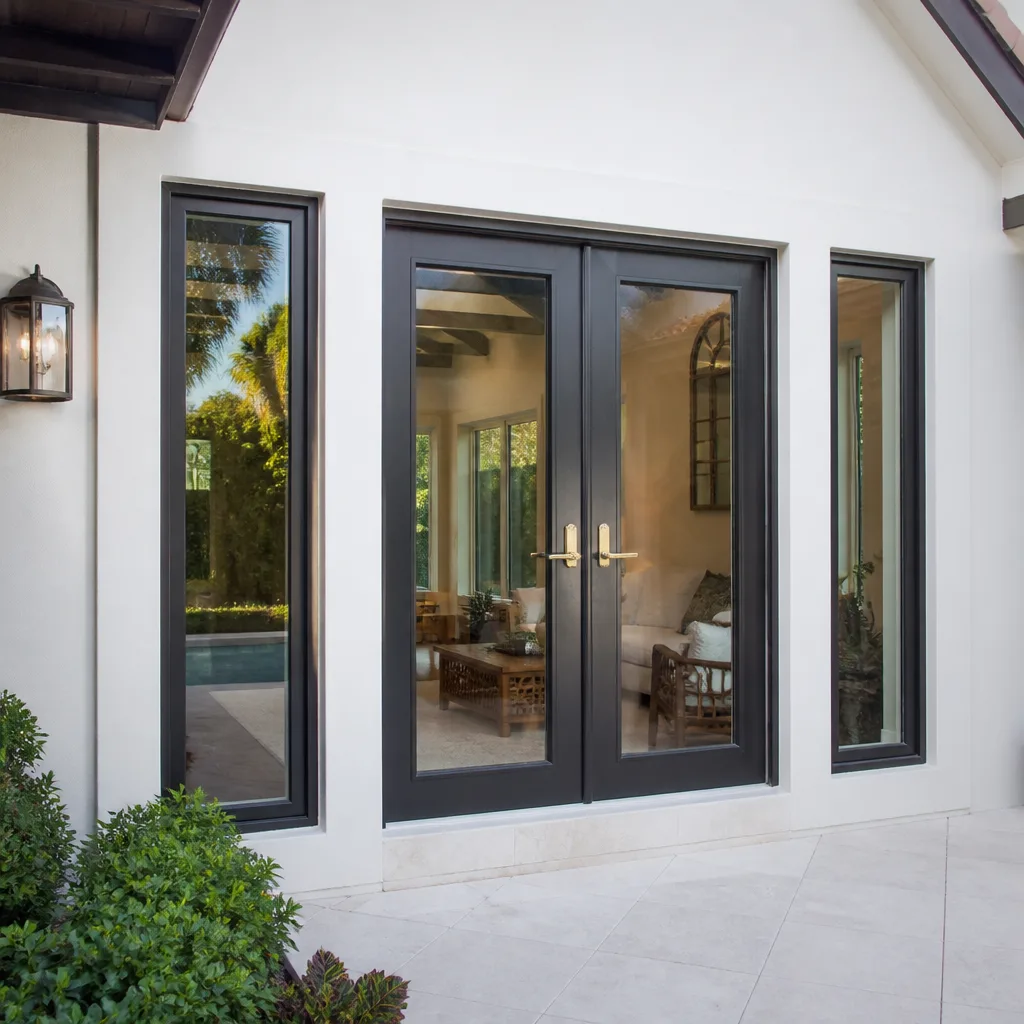 After
After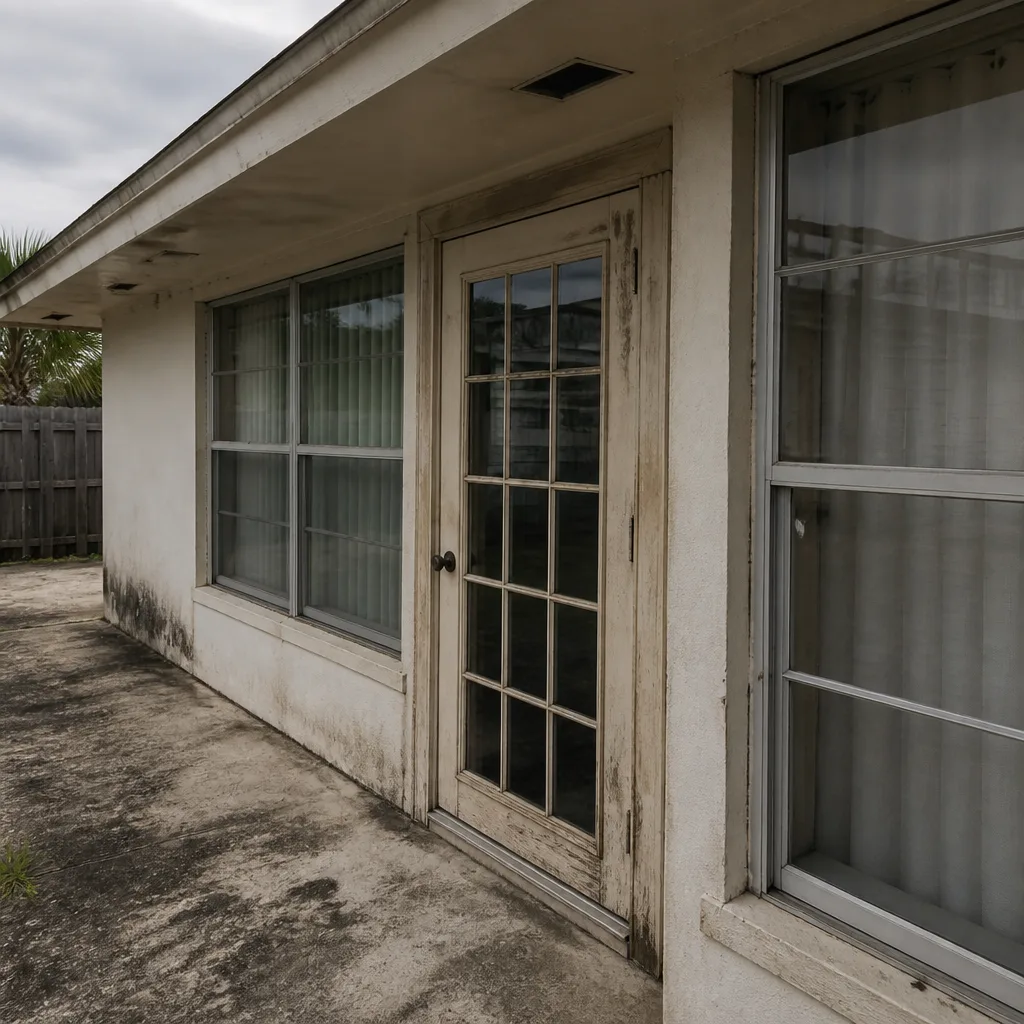 Before
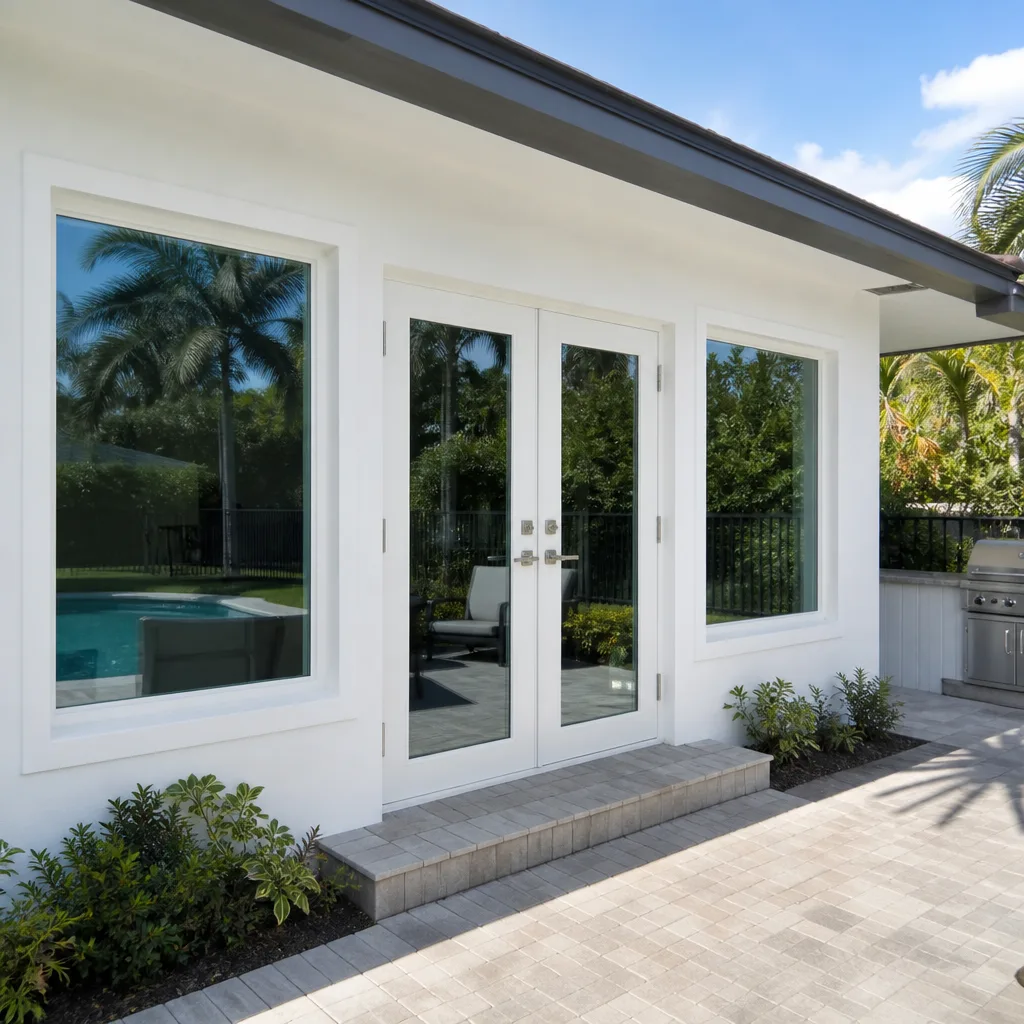 After
After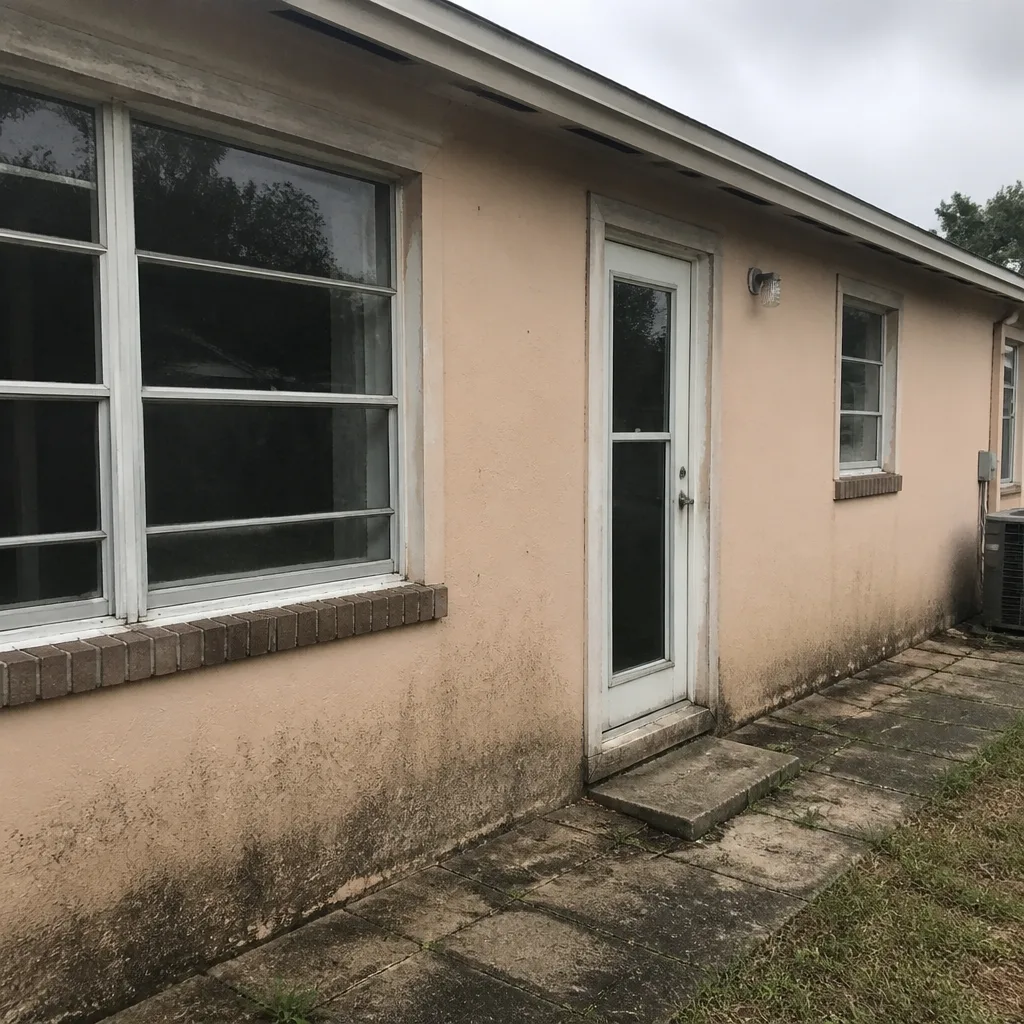 Before
 After
AfterDIY vs Professional Windows & Doors: The West Palm Beach Homeowner’s Decision Guide
Florida is one of the only states that lets a homeowner pull their own construction permit and act as their own general contractor. On paper, that sounds like a loophole designed to save you thousands. In practice, when you sign that permit application for window or door installation in West Palm Beach, you sign away the single most valuable protection a homeowner has: someone else to blame when it goes wrong. This guide walks through the real math, the real code requirements, and the real scenarios where doing it yourself makes sense. By the end, you’ll know exactly what a DIY project in West Palm Beach actually costs when the inspection fails, the warranty voids, and the insurance underwriter calls.
Quick Answer
For window and door replacement in West Palm Beach, professional installation is the financially safer choice in almost every case involving exterior openings, impact-rated products, or load-bearing door frames. The Florida Building Code’s High Velocity Hurricane Zone (HVHZ) requirements demand documented fastener spacing, specific sealant chemistry, and flashing integration that most manufacturers explicitly require to be performed by trained, certified installers to keep the product warranty intact. Homeowners can act as their own contractor, but they absorb every liability: code compliance, inspection failures, water intrusion, and the insurance consequences of a failed 4-point inspection. For a safer approach, see our guide on how to hire a windows and doors contractor in West Palm Beach. The genuine DIY opportunity lives in interior trim, hardware swaps, and screen replacement, not in setting a PGT impact window into a structural opening.
Table of Contents
- The Legal Landscape: What “Pulling Your Own Permit” Actually Means in West Palm Beach
- HVHZ Code Requirements: Why Manufacturer Training Is a Warranty Condition
- The Hidden Cost Ledger: Re-Inspection Fees, Re-Work, and Project Delays
- The Insurance Math: DIY Permits and the 4-Point Inspection
- The “I’ll Just Not Pull a Permit” Gamble: Palm Beach County Enforcement Realities
- Where DIY Actually Makes Sense: Interior Work, Hardware, and Screens
- Honest Cost Comparison: DIY vs Professional Installation in West Palm Beach
- Common Mistakes to Avoid
- When to Call a Professional
- Frequently Asked Questions
- The Bottom Line
The Legal Landscape: What “Pulling Your Own Permit” Actually Means in West Palm Beach
Florida Statute 489.103 includes a narrow homeowner exemption: you can pull a building permit for work on your own primary residence without holding a contractor’s license. West Palm Beach’s Building Department honors that statute. You fill out the owner-builder affidavit, show proof of homestead exemption or primary residence status, and the permit is yours. But the fine print on that form is not fine print. It’s an indemnification clause that transfers every downstream liability to you.
Here’s what the affidavit doesn’t say in plain English but absolutely means:
- You are the contractor of record. If the work fails, you are the party responsible for fixing it. Not the manufacturer who sold you the window. Not the YouTube tutorial. You.
- Inspection failures are your schedule problem. West Palm Beach inspectors work on a queue. Each re-inspection costs a fee and another window of waiting. You don’t get priority because you’re a homeowner.
- Property disclosure follows the sale. When you sell the home, Florida disclosure law requires you to reveal unpermitted work if you know about it. Owner-builder work that failed an inspection or that you chose to skip? That’s discoverable, and a buyer’s inspection will surface it.
- Your liability extends beyond the check you thought you saved. If a window installed under your owner-builder permit leaks and rots the wall framing, that is your repair bill. If it flies out of the opening during a storm and damages a neighbor’s home, your homeowners insurance may look for a reason to deny the claim. An owner-builder installation with no licensed contractor is exactly the reason they look for.
The savings calculation most West Palm Beach homeowners make is “materials cost X, professional labor costs Y, so I save Y.” The real calculation is “materials cost X, professional labor costs Y, and my absorbed risk is Z, where Z includes every failure scenario.” Z rarely stays at zero. We’ve walked through enough window replacement projects in West Palm Beach to know that Z is where the actual money hides.
HVHZ Code Requirements: Why Manufacturer Training Is a Warranty Condition
West Palm Beach sits inside Florida’s High Velocity Hurricane Zone, one of the most demanding wind-resistance code zones in the country. The HVHZ section of the Florida Building Code isn’t a suggestion. It’s an engineering standard born from Hurricane Andrew, and it governs every exterior opening in your home: impact windows, exterior doors, sliding glass doors, even the fasteners that hold them into the concrete block or wood frame.
What HVHZ actually requires on a window installation:
- Anchor spacing that follows a published, product-specific schedule. A PGT impact window has an approved installation method document. Every anchor location is specified. “Looks about right” is not a code compliance strategy.
- Sealant and adhesive chemistry matched to both the substrate and the product. HM-cured materials bond differently to salt-exposed coastal masonry than to interior drywall. The wrong sealant can fail within two years and never show it until water is already inside the wall.
- Flashing integration that directs water outward. In West Palm Beach’s summer rain pattern, a single afternoon downpour can deliver more water than most northern homes see in a month. Flashing isn’t cosmetic. It’s the difference between a dry wall cavity and a biological growth problem you can’t see until the paint blisters.
- Documentation of product approval numbers. The building inspector will ask for the Florida Product Approval or Miami-Dade NOA number for every product you install. If you bought windows from a distributor without having the approval documentation, the inspection stops there.
Now the part most DIY guides skip: manufacturer warranties. PGT, CGI, Mr-Glass, Therma-Tru, ES Windows, ECO Window Systems, CWS all publish installation requirements as a warranty condition. PGT’s warranty documentation explicitly states that improper installation voids the coverage. Therma-Tru’s door warranty is likewise contingent on installation per manufacturer specifications. You can buy a $2,000 impact window and install it incorrectly. The manufacturer will not pay for the replacement. The labor to remove, reset, and re-install is your cost. So the savings math includes a scenario where you buy the product twice.
In our experience serving West Palm Beach since 2011, the most common failure we see from owner-builder window installs is not the window itself. It’s the interface between the window and the house. The corner joints of the frame, the anchor points, the transition from the rough opening to the finished wall. These are the locations where training matters. A certified installer has seen these failures and knows what a correct installation looks like before the screw goes in, not after the inspector red-tags it.
The Hidden Cost Ledger: Re-Inspection Fees, Re-Work, and Project Delays
Here’s the balance sheet that no DIY savings spreadsheet includes. These are the line items that surface after the trip to the permit counter.
- Permit application fee: $85 to $350 depending on the scope of work in West Palm Beach. This is a sunk cost whether the project passes or fails.
- Re-inspection fee: typically $50 to $150 per visit. Failed rough-in inspection for anchor spacing? That’s a re-inspection fee. Failed final for missing product approval documentation? Another fee. Most DIY first-timers fail at least once, often twice.
- Re-work materials: sealant that has to be removed and re-applied, fasteners that were set incorrectly and must be replaced, flashing that needs to be torn out and redone. $150 to $600 in typical materials, depending on the mistake.
- Project delay cost: a window opening that’s been rough-opened and then sits exposed while you wait for a re-inspection appointment is a water intrusion risk. If it rains (and in West Palm Beach, it will rain), you may be adding interior water damage to the ledger.
- Tool and equipment cost: impact windows are heavy. A PGT double-hung impact unit can weigh 150 to 300 pounds depending on size. Lifting it into place requires a second set of hands, suction cups, or a lift. You can rent equipment, but that’s another expense line.
- Disposal cost: West Palm Beach bulk pickup doesn’t cover construction debris from exterior openings. You’ll haul old windows and doors to the Solid Waste Authority transfer station or the landfill, which charges by weight. $40 to $120 per load is realistic.
Total the hidden column and it runs $500 to $1,500 on a typical single-opening failure scenario. That’s before we get to the expensive failure scenarios: a window that leaks after a month, a door that binds and won’t latch, an impact product that loses its rating because the anchor pattern was altered. The professional installation estimate you received was not a random number. It includes the installer’s knowledge of exactly these pitfalls, plus the warranty obligation to fix them if they appear.
When you compare line-item pricing on window installation in West Palm Beach, ask the contractor to explain what’s in the number. If they can’t break it down into labor, permits, materials, and warranty reserve, that’s a red flag. Ed’s name goes on every estimate we write, and if it isn’t itemized, the number isn’t honest.
The Insurance Math: DIY Permits and the 4-Point Inspection
Florida homeowners insurance has become the most expensive and most conditional in the nation. Underwriters scrutinize homes in West Palm Beach through a lens of hurricane risk, and the 4-point inspection is the document that decides whether you get coverage, keep coverage, or get dropped.
A 4-point inspection examines four systems: roof, electrical, plumbing, and HVAC. Windows and doors are not one of the four points. So why does a DIY window installation matter? Because the inspector and the underwriter ask a simple question: “Who did the work?”
When a homeowner pulls an owner-builder permit for impact windows or an exterior door, the permit record shows no licensed contractor of record. Here’s what the insurance company sees and what it means:
- Verification gap. The underwriter cannot verify that the installation met HVHZ code because there is no licensed contractor whose work history and standing with the municipality can be checked. The permit was closed, maybe, but closed by whom and to what standard?
- Wind mitigation credit risk. Homeowners install impact windows in West Palm Beach partly to earn wind mitigation credits on their insurance premium. The insurer will ask for documentation proving the products are impact-rated and properly installed. An owner-builder installation with no manufacturer training certificate may fail the documentation review.
- Non-renewal exposure. Florida insurers are aggressively non-renewing homes with red flags. An owner-builder window permit combined with any other deficiency (roof age, plumbing material, electrical panel) becomes one more reason on a long list.
The irony is that a homeowner who installs impact windows themselves to save $3,000 can end up costing themselves $10,000 in higher premiums or forced coverage through Citizens, the state-run insurer of last resort. If a Citizens policy is your fallback, you want the cleanest possible installation record. Professional installation by a documented contractor is the cleaner record.
We are not insurance agents, but we’ve seen the underwriting decisions that follow impact window installations in West Palm Beach. The homeowner who can show a licensed contractor, a manufacturer training certification, and a closed permit with passed inspections gets the credits. The homeowner who can’t gets the questions.
The “I’ll Just Not Pull a Permit” Gamble: Palm Beach County Enforcement Realities
Some West Palm Beach homeowners conclude that the permit is the problem and the solution is to skip it. Work gets done on a Saturday. The old windows are gone. The new ones are in. No one from the city ever sees it. It’s a common calculation. It’s also a gamble with known odds and a published payout schedule.
Palm Beach County Code Enforcement and the West Palm Beach Building Department have authority under Florida law to:
- Issue a stop-work order. If a code officer observes work in progress without a permit, or a neighbor reports it, the work stops immediately. You cannot resume until the permit is pulled and the work already performed is inspected.
- Assess a double permit fee. Florida law allows local governments to charge double the standard permit fee for work performed without a permit. That’s the fee, times two, paid after the fact.
- Require a retrospective permit process. This requires the work to be brought up to current code compliance, which may involve exposing completed installations for inspection. If wall finishes cover the fasteners, the inspection can’t verify them. Walls may need to be opened or the window removed and reset.
- Impose code enforcement fines. Unpermitted work in West Palm Beach can accrue fines that run per day until the violation is resolved. Municipal code enforcement has the authority to record a lien against the property for unpaid fines.
- Flag the property record. Unpermitted work shows up on the property file. When the home is sold, title companies and buyers’ inspectors pull the permit history. An open unresolved violation stalls a closing.
The retrospective process deserves special attention because it’s where the real cost lives. You installed windows without a permit two years ago. You decide to sell. The buyer’s inspector notices the windows don’t match the permit record because there is no permit record. The buyer asks for proof. You apply for a retrospective permit. The building department requires an inspection, but the frames are covered, so they require exposure. The stucco or trim comes off. The inspection passes. The repair to the finish work costs $2,000 to $4,000. Your total cost for “free” installation just exceeded the original professional estimate, and you did all the labor yourself twice.
In West Palm Beach, the house knows what you did. The permit record is the house’s memory, and it has a long one.
Where DIY Actually Makes Sense: Interior Work, Hardware, and Screens
This guide has been mostly a warning, which risks creating the wrong impression: that we’re anti-DIY. We’re not. We’re anti-uninsured-risk. There is a real place for homeowner work on windows and doors in West Palm Beach, and it’s the place where no structural liability exists.
The right DIY projects:
- Interior trim and casing replacement. The trim around a window or door is cosmetic. If you can measure, miter, and nail, you can replace it. No permit required. No liability beyond your own finish work.
- Hardware replacement. Doorknobs, deadbolts, handlesets, hinge swaps, and sliding door rollers are homeowner-level work. The products are designed for replacement by non-professionals. The manufacturer instructions are written for you.
- Screen and weatherstripping replacement. Screen frames can be re-screened at home with a spline roller. Weatherstripping on doors and windows slides or sticks into channels. If the exterior product itself is sound, these are good DIY savings.
- Paint and caulk maintenance. Interior caulk around window and door casings is a maintenance item. As long as you’re painting and caulking the interior side and not touching the exterior waterproofing layer, go ahead.
- Interior door replacement. Interior hollow-core doors are lightweight, structurally simple, and not subject to HVHZ requirements, since they’re inside the protected envelope of the home.
The dividing line is straightforward: does the work affect the building envelope or the structural connection between the opening and the wall? If yes, the code applies. If no, it’s just carpentry. Winslow Windows & Doors home is built on knowing and respecting that line. Ed Winslow has answered enough 2 a.m. calls from West Palm Beach homeowners who crossed it to know exactly where the risk lives.
Honest Cost Comparison: DIY vs Professional Installation in West Palm Beach
Let’s put numbers on the table for a typical single-impact-window installation in West Palm Beach, using a common sized opening and a mid-range PGT or Mr-Glass impact product.
DIY cost model:
- Impact window and frame (single average opening): $650 to $1,200
- Permit application fee: $85 to $150
- Tools and equipment rental (suction cups, lift, specialty drill bits): $100 to $300
- Sealants, flashing, anchors, shims: $80 to $180
- Disposal of old window: $40 to $120
- Total DIY cost: $955 to $1,950 per opening, not including any re-inspection or re-work
Professional cost model:
- Impact window and frame: $600 to $1,100 (contractor pricing often lower than retail)
- Labor including demolition, installation, trim, cleanup: $350 to $700
- Permit and inspection coordination: $100 to $200
- Total professional cost: $1,050 to $2,000 per opening
In many cases, the gap between DIY and professional is smaller than the homeowner assumed, especially when the contractor’s pricing on product is applied. The product is the same. The labor is the difference. And the professional labor price includes the warranty obligation, the liability assumption, and the inspection guarantee. When you pay us, you’re buying the outcome: a closed permit and a dry wall cavity.
Standing offers change the math further. Winslow Windows & Doors provides permanent discounts: $40 off any repair over $200, free second opinions on any written estimate, no trip charge inside the home county, and a 10% discount for seniors and veterans. Those don’t expire, don’t require a coupon, and are already the default on our invoices. A neighbor you can call at 2 a.m. is the whole idea. Here’s what matters: the price we quote is the price you pay. Upfront pricing. No surprises on the invoice.
Common Mistakes to Avoid
- Buying windows before confirming the Florida Product Approval number. Every impact product installed in West Palm Beach needs a FL or Miami-Dade NOA number. Purchase confirmation is not code approval. Verify the number before the product ships.
- Using standard construction sealant instead of an approved structural sealant. A tube of silicone from the local hardware store is not an HVHZ-approved sealant for an impact window. The wrong chemistry fails silently and voids manufacturer warranties.
- Assuming a straight replacement needs no inspection. Any removal of an exterior window or door and replacement with a new unit in West Palm Beach requires a permit. “One in, one out” is still regulated work.
- Measuring the rough opening incorrectly. Impact windows have specific frame dimensions. A half-inch error means a window that won’t seat, a reorder, and a delay. Measure twice, confirm the product drawing, then measure again.
- Ignoring the weight of impact products. A 48-by-60 impact window can exceed 200 pounds. Lifting it without proper equipment is how backs get injured and windows get dropped. A dropped window is a total loss, and the manufacturer won’t warranty impact damage in transit or installation.
- Leaving open rough openings overnight or during rain season. West Palm Beach’s summer storm cycle doesn’t care about your schedule. Unprotected openings invite water damage that your insurance may not cover.
- Treating the contractor’s estimate as negotiable by self-peforming the prep work. Some homeowners try to save money by doing the demolition themselves. When the contractor arrives to a half-demolished opening, the liability picture changes, and most reputable installers won’t assume responsibility for prep work they didn’t perform.
When to Call a Professional
Call a professional when the project touches the exterior envelope. Impact windows, exterior doors, sliding glass doors, French doors, and any product rated for hurricane protection are professional-scope work in West Palm Beach. The code requirements are real, the liability is real, and the warranty conditions are real. If the work involves an opening between your home’s interior and the Florida weather, you want a licensed contractor with a training history, a published address, and a name on the invoice. Winslow Windows & Doors offers free estimates in West Palm Beach. Call (561) 660-9539 and a live person answers, any hour, any day. Ed Winslow’s name is on the door and on every job we do.
Frequently Asked Questions
Yes, Florida Statute 489.103 allows an owner-builder to pull a permit on their own primary residence, but doing so makes you personally liable for code compliance, inspection failures, and any resulting structural or water damage. The legal right exists, but it transfers the full risk burden to you, including what surfaces when you sell the home.
A single impact window installed by a professional in West Palm Beach typically costs between $1,050 and $2,000 including product, labor, permit, and inspection coordination. The window product itself accounts for more than half of that. Winslow Windows & Doors provides itemized line-item quotes, so you see exactly what you’re paying for. Call (561) 660-9539 for a specific quote on your home.
Yes, in most cases. Manufacturers including PGT, CGI, Mr-Glass, and Therma-Tru condition their warranty coverage on installation following their published documented procedure, which many of them require be performed by trained or certified installers. A homeowner who self-installs without manufacturer training typically forfeits the warranty. The building in West Palm Beach goes through a long rainy season, so the warranty isn’t a nice-to-have, it’s the financial backstop if the window fails.
You risk a stop-work order, a double permit fee, code enforcement fines, and a retrospective permit process that may require exposing completed work for inspection. Palm Beach County code enforcement can also record a lien against the property for unpaid fines. Unpermitted work surfaces at sale time through title searches and buyer inspections.
Yes. Interior work that doesn’t change the building envelope or structural connections is outside HVHZ scope. Interior trim, casing, hardware replacement, screen repair, and interior door swaps are legitimate homeowner-level projects and good candidates for seasonal windows and doors care in West Palm Beach. If the work doesn’t touch the boundary between your home’s interior and the outside, you’re in DIY territory.
It can, but it’s an uphill battle. Underwriters and inspectors want to see documentation that the products are impact-rated, the installation followed HVHZ code, and a verifiable contractor performed the work. An owner-builder permit with no licensed contractor of record and no manufacturer training certification is a verification gap that insurers in Florida are increasingly unwilling to overlook. If the wind mitigation credits are partly why you’re investing in impact windows, professional installation is the pragmatic route.
The Bottom Line
In West Palm Beach, the windows and doors on your home are not accessories. They’re the pressure boundary between your family and a Category 4 storm, the thermal barrier between your air conditioning and the Florida sun, and the single largest line item on your insurance risk profile. Doing them yourself sounds like savings, but the math changes once you add the hidden costs: the permit liabilities, the re-inspection fees, the warranty voids, and the underwriting questions. For more guides & resources, explore our blog, or call the one down the road. Winslow Windows & Doors has served West Palm Beach since 2011, installed products from PGT, CGI, and Therma-Tru, and backs every job with the Done Right Promise: if it’s not done right, Ed makes it right. Call (561) 660-9539 for your free estimate.
Written by Ed Winslow, Owner at Winslow Windows & Doors, serving West Palm Beach since 2011.
Six Reasons Homeowners Choose Winslow Windows & Doors
Impact systems engineered to design pressures up to +/-100, matched to your wind zone - your openings hold when the storm arrives.
Low-E insulated impact glass from our manufacturer lines commonly cuts monthly cooling bills 20-30%.
Laminated impact glass shuts out up to 40% of outside noise - traffic, neighbors, weather.
Monitoring services run $30-90 a month. Laminated impact glass resists forced entry around the clock, with no subscription.
Florida homeowners average around 25% savings on the windstorm portion of their policy after protecting every opening - some homes qualify for more.
A full impact package upgrades curb appeal, buyer confidence and appraised value in one project.