

Last updated August 27, 2026
Free in-home measure and quote - PGT, CGI and CWS impact lines compared on your actual openings, style by style
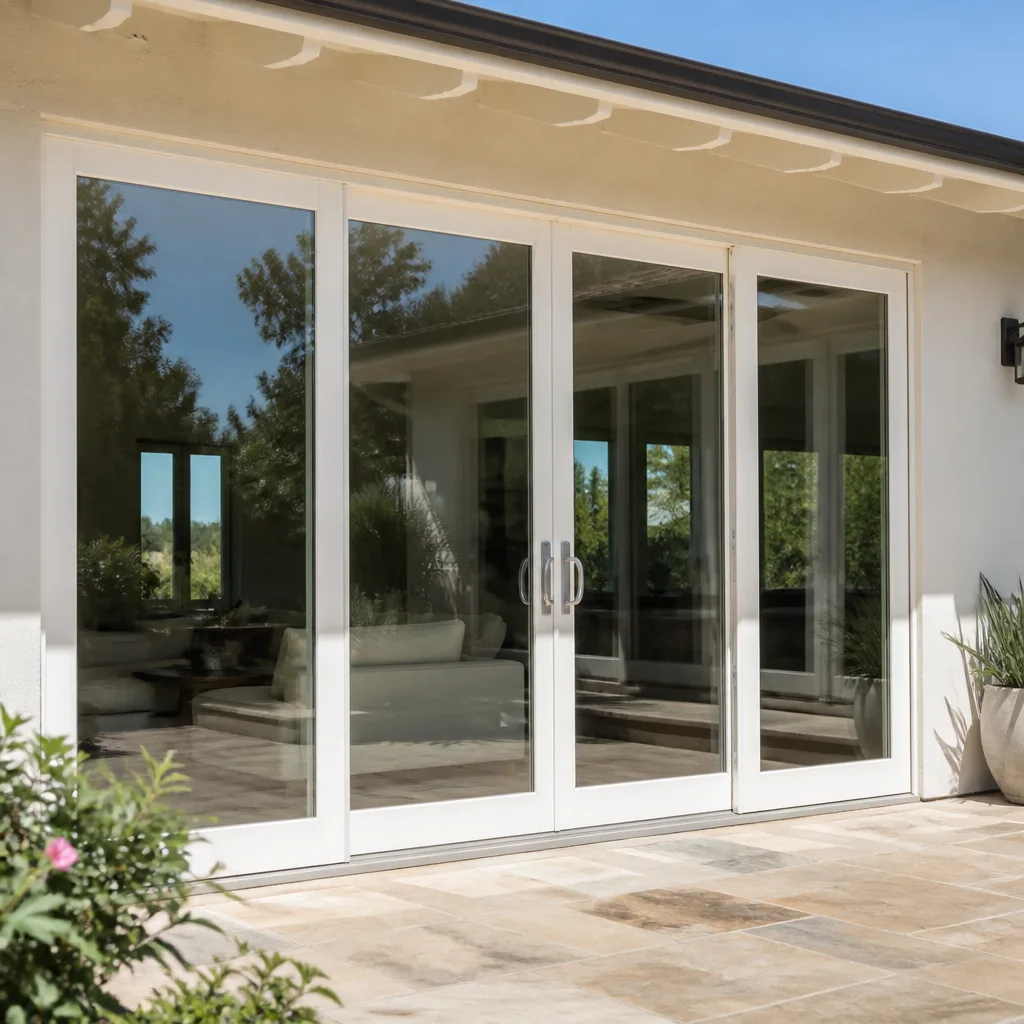
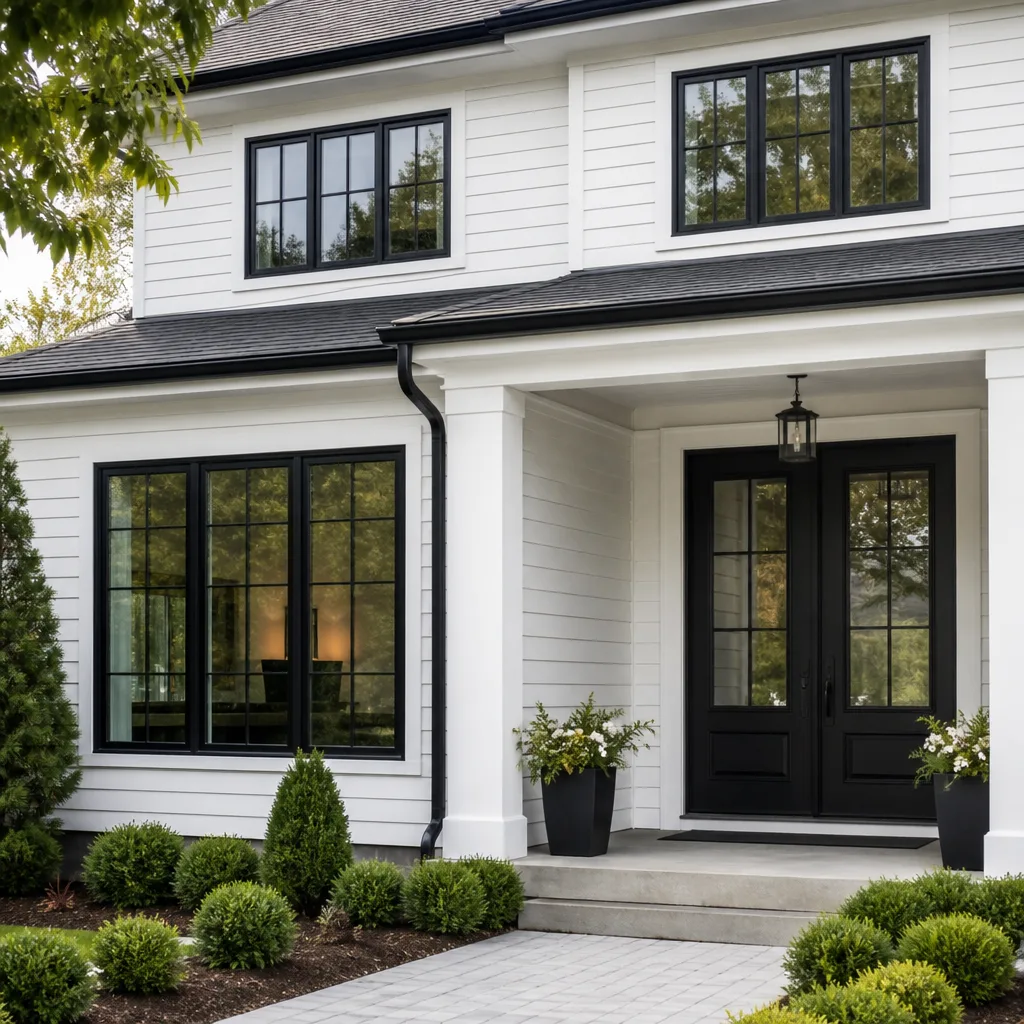
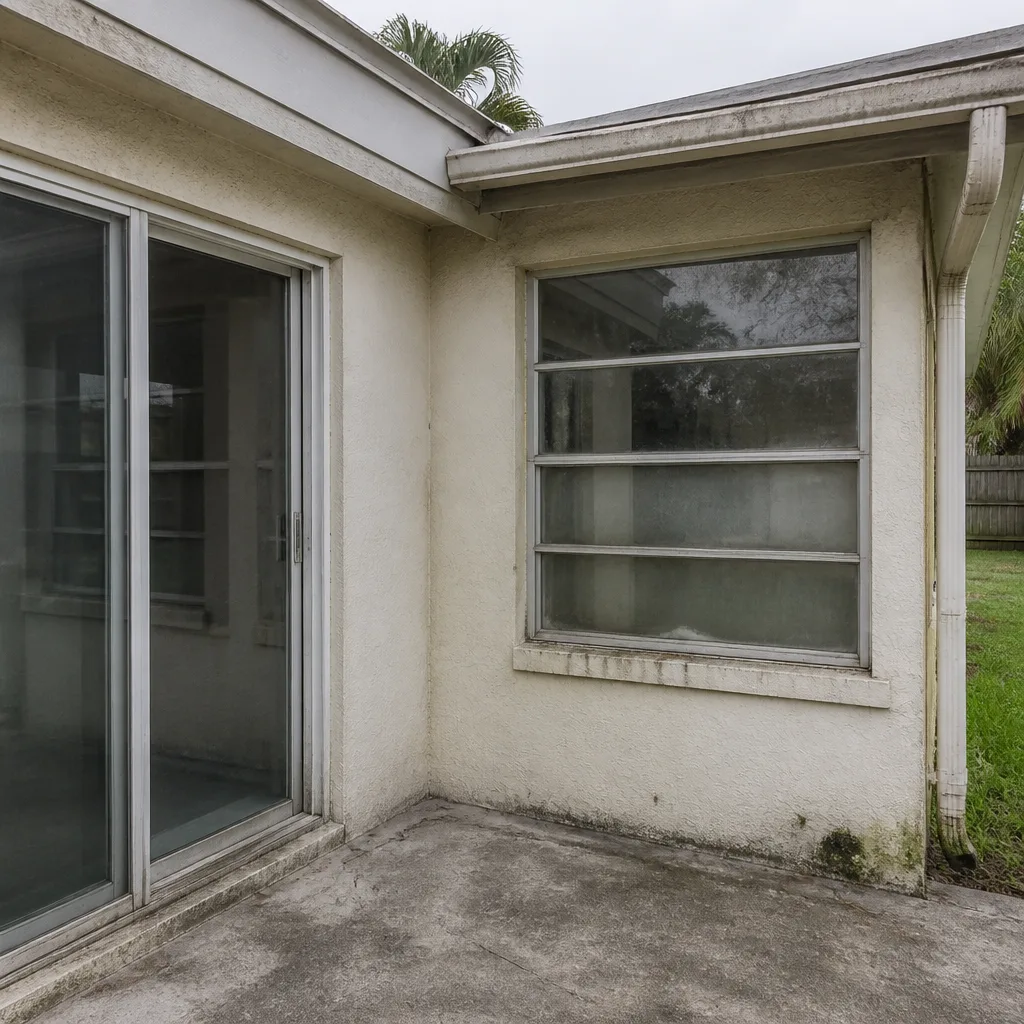 Before
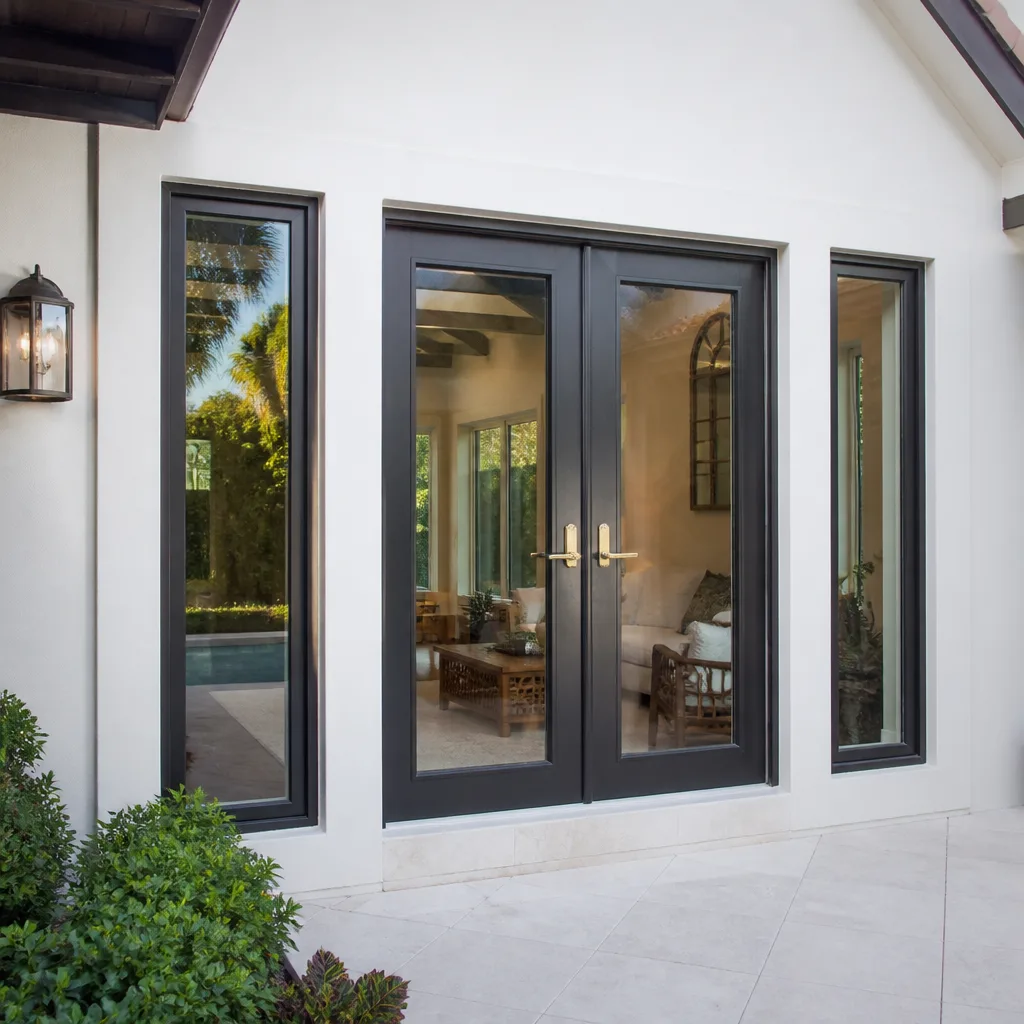 After
After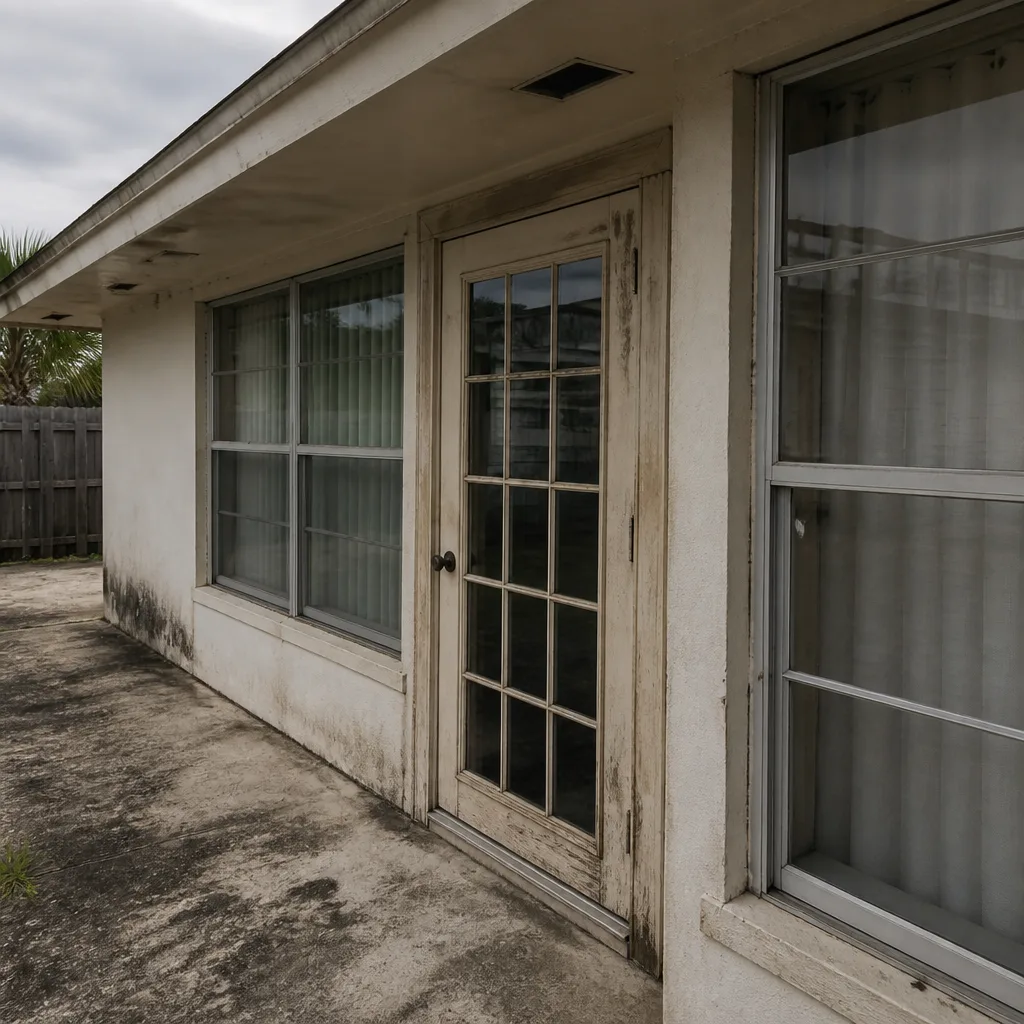 Before
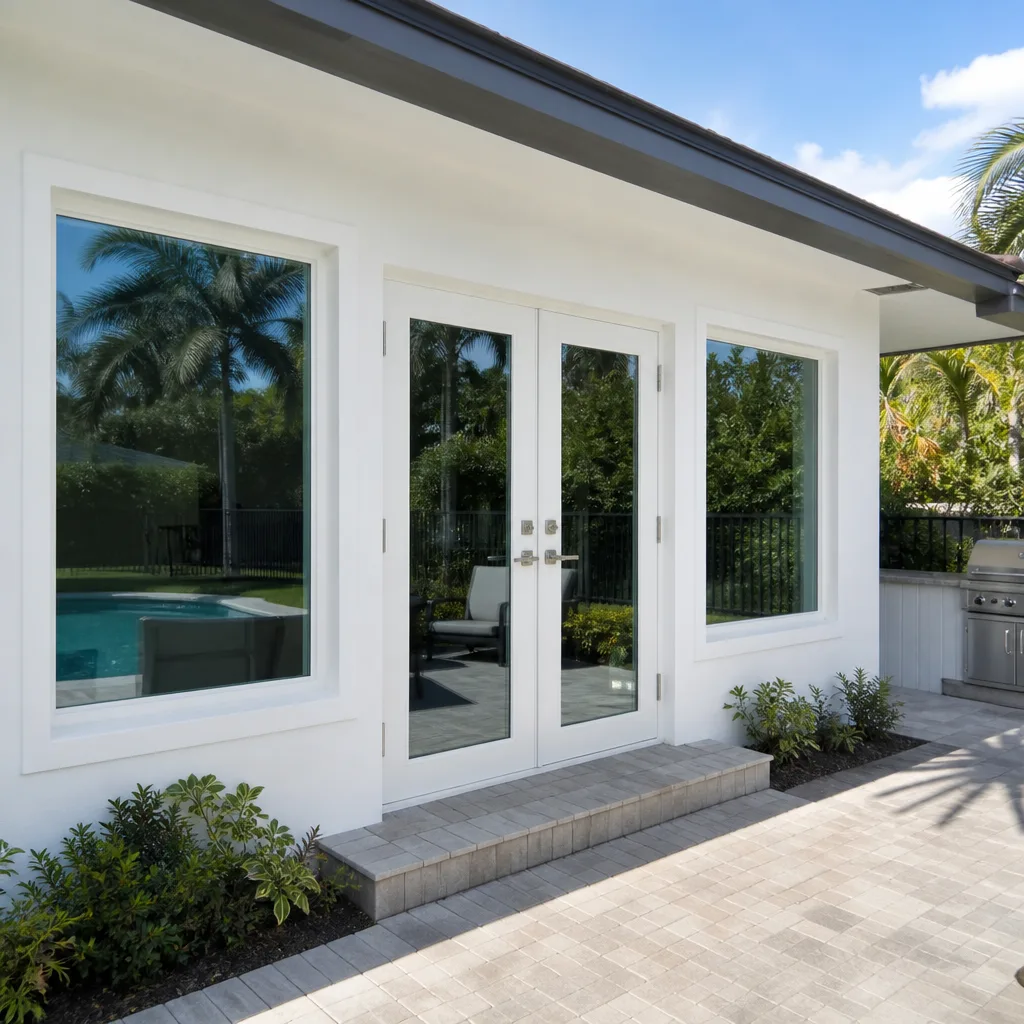 After
After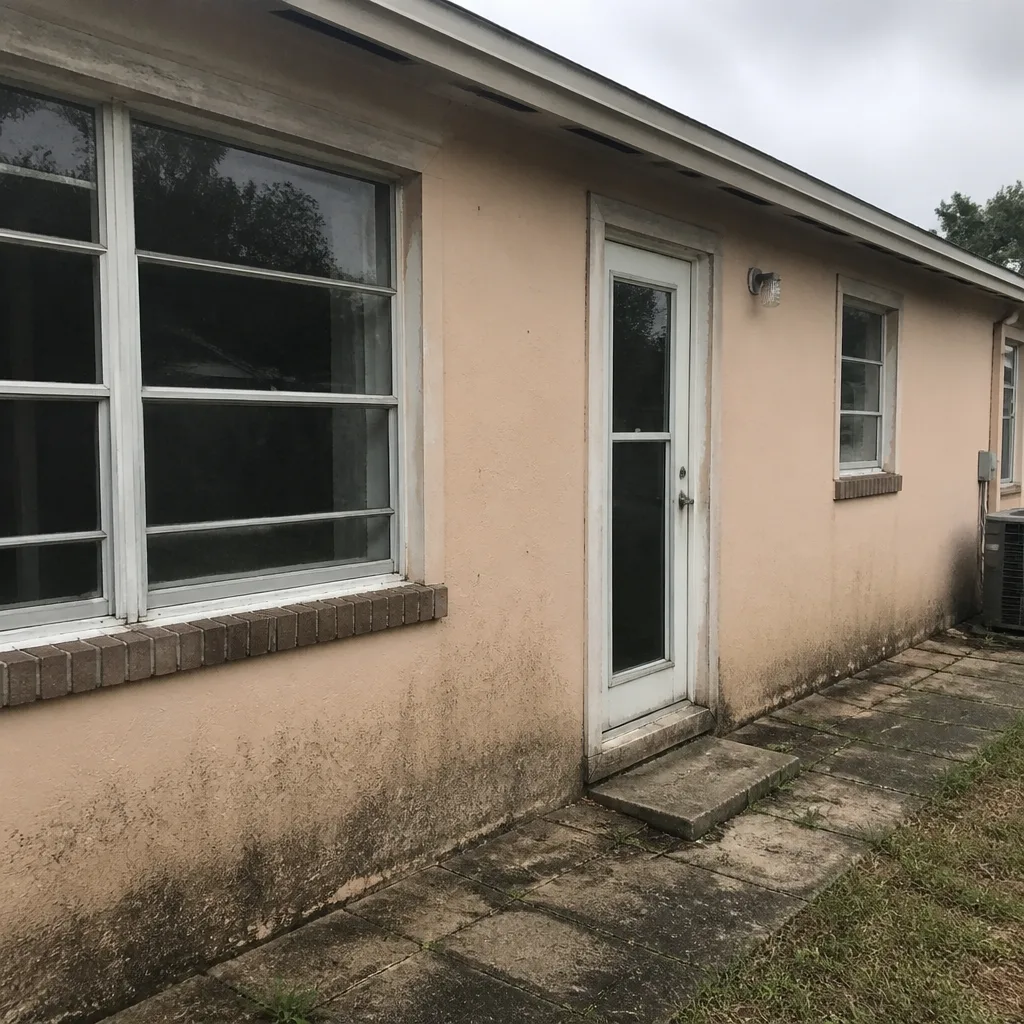 Before
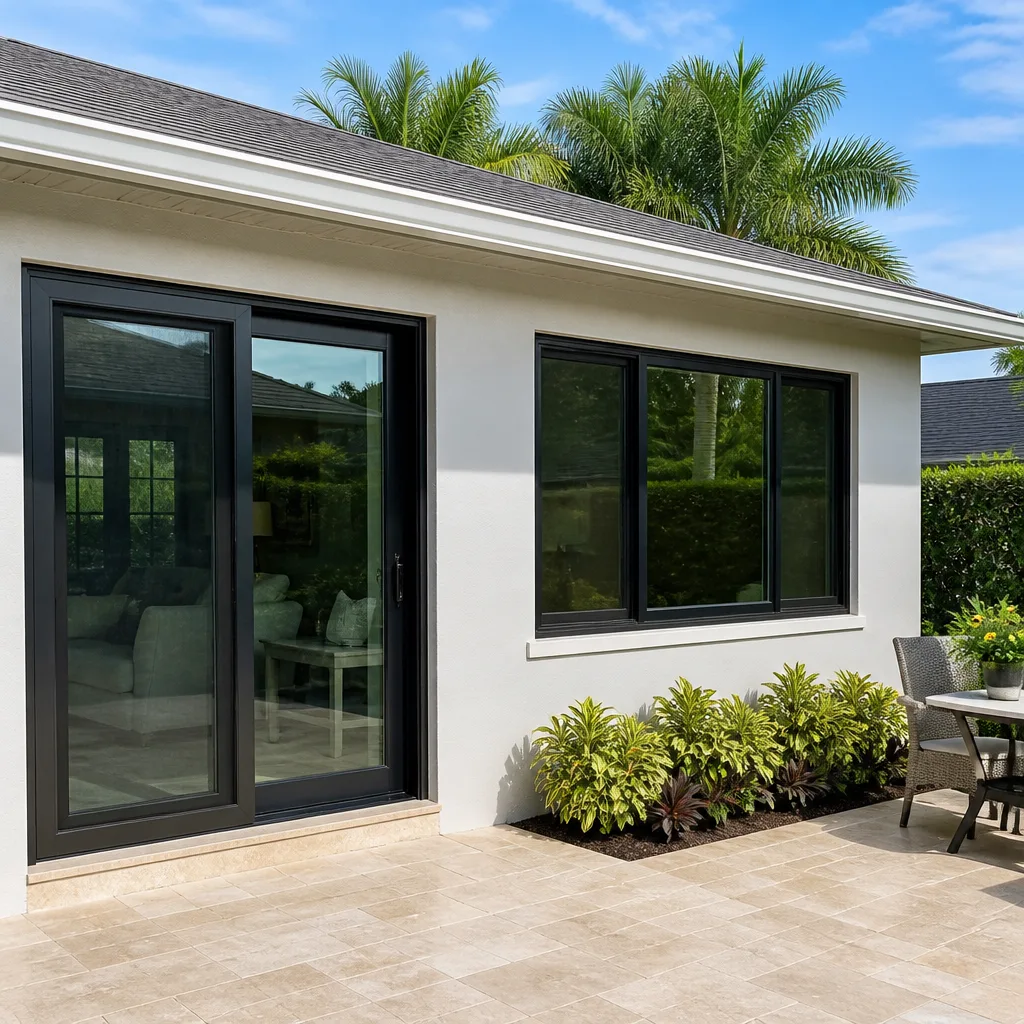 After
AfterWindows & Doors Permits, Codes & Inspections in FL: What You Need to Know
Most Florida homeowners never hear about the Notice of Commencement until a closing attorney asks for it. Miss that document before your window contractor starts work, and you can lose lien protection on your own house, even if you paid every invoice in full. Florida’s permitting system for window and door replacement is layered, county-specific, and far stricter than most contractors let on. This guide walks through exactly what triggers a permit in Palm Beach County and across Florida, what a product approval number actually proves, how inspections work, what happens if you skip the permit, and how unpermitted work gets discovered during a home sale. If you’re planning window or door work in West Palm Beach, this is the information your contractor should be giving you before the first screw comes out, and you can find more guides & resources in our blog.
Quick Answer
In Florida, any window or door replacement that changes the size of the opening, alters structural framing, or is required to meet current wind-load standards for impact protection needs a building permit. Even like-for-like replacements in Broward and Miami-Dade typically require a permit with a product approval number on file, and in Palm Beach County the exemption is narrower than many installers claim. The permit must be pulled before work starts, inspections are mandatory at specific stages, and skipping either can freeze a future home sale and give your insurer grounds to deny a claim.
Table of Contents
- When a Permit Is Actually Required for Window and Door Work in Florida
- The Like-for-Like Exemption: What It Is and Why Contractors Overstate It
- Florida Product Approval Numbers (FL#): What They Mean and How to Verify Them
- Notice of Commencement: The Document That Protects You From Liens
- The Inspection Sequence for Impact Window Installation
- How Unpermitted Window Work Gets Discovered During a Home Sale
- Acting as Your Own Contractor: Why It Backfires for Impact Windows
- Common Mistakes to Avoid
- When to Call a Professional
- Frequently Asked Questions
- The Bottom Line
When a Permit Is Actually Required for Window and Door Work in Florida
Florida Building Code (FBC) Section 105.1 is blunt: any work that is not explicitly exempt requires a permit. For windows and doors, that means you need a permit when the opening size changes, when you’re cutting into masonry or framing, when you’re installing impact-rated products that alter the structural performance of the wall, or when the work modifies how the building resists wind loads. In West Palm Beach, where wind-borne debris regions govern most of Palm Beach County, the definition of “structural” is broader than in inland states, as detailed in The Complete Guide to Windows & Doors in West Palm Beach. A window that carries wind-load requirements is part of the building envelope’s structural system, so swapping it out is rarely a purely cosmetic exercise.
Here’s what typically triggers a permit:
- Changing the rough opening dimensions of any window or door
- Installing impact windows or impact-rated doors for the first time
- Converting from sliding glass doors to French doors or vice versa
- Altering any header, sill, jamb, or structural support
- Replacing windows in a home within a designated wind-borne debris region without documented existing impact protection
- Any work on a property in a historic district, flood zone, or coastal construction control line
In our experience in West Palm Beach, the most common trigger is the switch from standard glass to impact-rated PGT or CGI products. Homeowners see it as an upgrade. The building department sees it as a structural modification that must be documented, inspected, and recorded against the property. That difference in perspective is where most permitting disputes start.
The Like-for-Like Exemption: What It Is and Why Contractors Overstate It
Florida code does include an exemption for what’s commonly called “like-for-like” replacement: removing an existing window or door and installing a new one of the same size without touching the surrounding structure. But the exemption is far narrower than contractor sales language suggests. In Palm Beach County, like-for-like means the product must match the original in size, type, performance characteristics, and installation method. Change the frame material from aluminum to vinyl? That’s not like-for-like. Add impact glass where none existed? Not like-for-like. Move a door swing? Not like-for-like.
Even when a like-for-like replacement qualifies, many municipalities still require what’s called a “permit by affidavit” or a letter of exemption, particularly for homes built after 2002 when the Florida Building Code unified standards statewide. Homeowners who assume the exemption means “no paperwork ever” get surprised during a future sale when the title company asks for documentation that the replacement was exempt. Unrecorded work, even exempt work, leaves a gap in your property’s paper trail.
If you’re unsure whether your job qualifies as like-for-like in West Palm Beach, the city or county building department will give you a straight answer over the phone. We’ve never met a homeowner who regretted asking before signing a contract, and we’ve met plenty who regretted not asking.
Florida Product Approval Numbers (FL#): What They Mean and How to Verify Them
Every window, door, skylight, or shutter installed in Florida that falls under the Florida Building Code must carry a valid Florida Product Approval number, usually written as “FL#” followed by five to six digits. This number is the state’s way of saying: this exact product, from this exact manufacturer, configured exactly this way, has passed laboratory testing for wind pressure, impact resistance, water infiltration, and air leakage under Florida-specific conditions. If your installer can’t provide an FL# for every product going into your home, they’re putting non-compliant materials in a hurricane-prone state, which is a legal liability for both them and you.
You can verify any FL# yourself on the Florida Department of Agriculture and Consumer Services (FDACS) product approval database, which is public and searchable by manufacturer, product type, or approval number. The database shows the approval’s current status, what testing it passed, and what the product is approved for. Manufacturers like CGI, CWS, and ES Windows maintain active Florida approvals, and reputable installers can hand you the FL# for each product before you sign a contract.
Why does verification matter? Because by the time a hurricane hits, it’s too late to discover that the “impact-rated” window you bought was a standard glazed product with a story attached. Our technicians in West Palm Beach see this too often: homeowners replacing failed windows from a previous installer, discovering the products never had valid approvals. For help spotting problems early, see Windows & Doors Warning Signs: A West Palm Beach Homeowner’s Reference Guide. The cost of a second replacement frequently exceeds the cost of the first.
Notice of Commencement: The Document That Protects You From Liens
The Notice of Commencement (NOC) is a Florida-specific document filed with the county clerk before you start a building project where the cost exceeds $2,500. It’s not optional, and its protection matters. Here’s how it works: the NOC formally records the start of your project, identifies you as the owner, identifies the contractor, and sets a legal timestamp. Subcontractors and suppliers then have a defined window (usually 45 days from first work or last delivery) to file a claim if they aren’t paid. Without an NOC, that window can remain open for a year, meaning an unpaid supplier who never sent you a bill can surface long after the project is done, claiming you owe them money for materials that went into your house.
The sequence in Florida is specific:
- The permit is applied for and issued with the NOC as a supporting document
- The NOC is recorded with the Palm Beach County Clerk of Court before work begins
- A certified copy of the recorded NOC is posted at the job site
- Work proceeds, and suppliers and subs are on notice that the clock is running
- At final inspection, the building department verifies the NOC is on file
A qualified contractor coordinates this as part of pulling the permit. But as the homeowner, you own the risk. If your contractor files the permit but never records the NOC, the lien clock never starts. We’ve seen closing dates in West Palm Beach postponed over a missing NOC from a job done two years prior. It’s a document most homeowners learn about for the first time when something goes wrong, and it’s one of the strongest reasons to work with an installer who handles permitting as a core service, not an afterthought.
The Inspection Sequence for Impact Window Installation
Impact window installation in Palm Beach County is a staged process, and each stage requires a building department inspection before the next phase can proceed. Skipping a stage or cutting corners means your project’s final inspection will fail, which means your project stays open, which means your certificate of completion or occupancy never gets issued, which means your project isn’t legally done. Here’s the typical sequence for a whole-home impact window project in West Palm Beach:
- Permit issuance and NOC recording. The permit is posted, and the project officially starts. The building department confirms the products listed match the FL# on the permit documents.
- Rough-in inspection. Old windows are removed and new impact-rated units are set into the openings. Before any trim, stucco, or interior finish covers the fasteners, an inspector verifies the products match the permit and that attachment to the rough opening meets the manufacturer’s tested installation method. In a wind-borne debris region, fastener spacing and embedment depth are specific and non-negotiable.
- Framing inspection (when applicable). If any header, sill, or jamb was altered, or if new openings were cut, the framing is inspected for structural integrity before the window units are set. This inspection is separate and must happen before the rough-in.
- Final inspection. All windows and doors are installed, sealed, and operable. The inspector checks for proper latching, weep-hole function in sliding doors, and compliance with egress requirements in bedrooms. The final also confirms the job site matches what the permit approved.
When the final inspection passes, the building department closes the permit. That closure becomes part of your property’s permanent record, which is exactly what a future buyer’s 4-point inspector will look for. An open permit is a red flag. A closed permit is your proof of compliance.
How Unpermitted Window Work Gets Discovered During a Home Sale
Unpermitted window and door work stays hidden until the worst possible moment: the week before closing. The four primary discovery mechanisms are the 4-point inspection, the wind mitigation inspection, the title search, and the appraiser’s visual review.
The 4-point inspection, required by most Florida insurance carriers before they’ll write a policy on a home older than 20 years, examines the roof, electrical, plumbing, and HVAC. The inspector also looks at windows and doors, noting impact protection or lack thereof. If the 4-point report shows impact windows but the county records show no closed permit, the inspector flags the discrepancy. The buyer’s lender then requires proof of permitting before funding the loan. That proof doesn’t exist because the work was never permitted, and now the seller is remediating a project that should have been done right years ago.
The wind mitigation inspection, a separate Florida-specific assessment that affects insurance premiums, catalogs opening protection. If you claimed impact windows on your insurance application at any point, and the windows are unpermitted, you’ve got a coverage gap. Insurance companies don’t need much of a reason to deny a claim in Florida. Unpermitted structural work gives them one.
Title searches catch open permits and unrecorded NOCs. The title company pulling records on a West Palm Beach property will see any permit ever pulled and whether it was closed. Unpermitted work may not show up directly, but questions about who did what and when always surface, especially if the seller’s disclosure form requires it, which Florida law requires it to.
Remediation costs are real. Opening walls to expose framing, pulling retroactive permits, scheduling inspections on work done years ago, and paying for any corrections the inspector requires. In our experience across Palm Beach County, retroactive compliance on window work routinely costs two to three times what the original permit would have cost, and that’s before the seller’s closing date gets delayed, sometimes by weeks, while the building department reviews the file.
Acting as Your Own Contractor: Why It Backfires for Impact Windows
Florida law allows a homeowner to act as their own contractor on their own residence, provided they live there and intend to for at least a year after completion. It’s a provision that sounds like a money-saver. Here’s what it means in practice: you take on all responsibility for pulling permits, filing the NOC, hiring subcontractors, scheduling inspections, verifying product approvals, and managing the project timeline. For a full breakdown of the trade-offs, read DIY vs Professional Windows & Doors: The West Palm Beach Homeowner’s Decision Guide. You also take on all liability if something goes wrong. And with impact windows in a wind-borne debris region, something going wrong means a window blowing out in a hurricane, which is a catastrophic failure with real human consequences.
The practical problems start immediately. Most subcontractors won’t work for an owner-contractor because of the lien risk. The ones who will often carry minimal insurance, leaving you exposed. You’ll need to know the Florida Building Code well enough to write a permit application that passes review, including proper product components, design pressures, and installation details. If the reviewer bounces your application, you burn weeks you didn’t plan for. If you pass review and your work fails an inspection, you’re correcting it at your own cost and schedule.
We have never met an owner-contractor in West Palm Beach who saved money on an impact window project. We have met many who spent more, compromised their insurance coverage, and ended up calling us to fix what should have been straightforward work. Like impact windows in West Palm Beach, this work is building science, not home improvement, and the permitting structure assumes you understand the difference.
Common Mistakes to Avoid
- Believing the “no permit needed” line without verification. Some contractors say a permit isn’t needed because they don’t want the inspection, the time, or the paper trail. Verify directly with the Palm Beach County building department. A contractor who lies about permits will lie about other things.
- Not checking FL# approvals before signing. The approval number must match the exact product, configuration, and installation method. A mismatched FL# is as useless as no FL# at all.
- Skipping the Notice of Commencement. If your project exceeds $2,500 and no NOC is recorded, you lose lien protection. This one simple filing prevents a class of nightmare scenarios that Florida sees every month.
- Letting a permit expire. Florida permits expire if work doesn’t start within 180 days or stops for more than 180 days. A lapsed permit must be renewed, and the renewal triggers a review by the current code cycle, which may require upgrades to your original plan.
- Choosing products based on price, not approval. Impact windows from ECO Window Systems or CWS carry Florida approvals specific to their design pressure ratings. Generic products without approvals won’t pass inspection in West Palm Beach and won’t protect your home in a storm.
- Covering up work before inspection. Once the trim and stucco go over the fasteners, the inspector can’t verify the installation method. That means you’re removing finish work to expose what should have been visible, or you’re failing the inspection and living with an open permit.
- Assuming insurance covers unpermitted work. It doesn’t. In fact, unpermitted work gives your insurer grounds to deny an otherwise valid claim. The savings from skipping a permit are never worth the exposure.
When to Call a Professional
Window and door permitting in Florida is not a DIY project, and it’s not something to leave to a contractor who treats it as an annoyance. Call a professional when you’re replacing more than one window or door, when you’re installing impact products, when your home is in a wind-borne debris region, when you’re changing opening sizes or door configurations, or when your home is older than 20 years and your insurance carrier is asking questions. You should also call a professional if your home sale has exposed unpermitted work from a previous owner, because remediation requires someone who understands retroactive permits, current code, and how the building department thinks. Winslow Windows & Doors offers free estimates in West Palm Beach - call (561) 660-9539. Ed Winslow has been navigating this permitting system since 2011, and his name is on every job.
Frequently Asked Questions
Window and door permit fees in Palm Beach County typically range from $80 to $400 depending on the number of openings and whether structural changes are involved, plus plan review fees that scale with project value. Building departments calculate fees on a valuation basis, so a whole-home impact window replacement will land on the higher end. The exact amount gets quoted when the permit application is filed. Call (561) 660-9539 and we can give you a realistic all-in figure for your specific project.
Only if the replacement qualifies for the like-for-like exemption, which means the new product matches the old in size, type, and performance without any structural modification, and even then some municipalities require a permit by affidavit. If you’re installing impact-rated products where none existed, you need a permit. No exceptions in a wind-borne debris region.
You receive a correction notice listing exactly what must change to bring the installation into compliance. The correction must be made, and the inspection must be rescheduled and passed before the permit can close. Failed inspections are a normal part of the process, but repeat failures can trigger additional review fees and delay your project.
For standard window and door replacements with complete documentation, permit issuance typically takes five to ten business days in Palm Beach County. Impact window projects with structural changes can take longer, especially if the application needs plan review or if the home is in a special flood hazard zone. A complete application with approved products moves fastest.
Yes. Converting a standard sliding glass door to an impact-rated unit changes the structural performance of the opening and requires a permit with product approvals and inspections. The installation must meet the manufacturer’s tested method, and the rough opening must be verified for proper attachment in a wind-borne debris region.
Penalties range from doubled permit fees and stop-work orders to fines, and in Palm Beach County, unpermitted work discovered during a sale can delay closing, reduce the sale price, or force retroactive permitting with correction costs. The real penalty is often not the fine, it’s the damage to your insurance coverage and your property’s resale value. If you’re facing this situation, call us at (561) 660-9539 for a free evaluation - we’ve helped West Palm Beach homeowners resolve unpermitted work from previous owners more times than we can count.
The Bottom Line
Florida window and door permits are not optional paperwork. They are the difference between a home that protects you in a hurricane and a home that creates liability you can’t insure against. The Notice of Commencement protects you from liens. The product approval number proves your products actually passed Florida testing. The inspection sequence verifies the work was done to code. And the closed permit is the document that lets a future buyer sleep at night. In West Palm Beach, where wind loads shape everything, the cheapest window project is always the one done correctly the first time.
If you’re planning window or door work in Palm Beach County, start with a company that treats permitting as the foundation of the job, not an add-on. Winslow Windows & Doors has been serving West Palm Beach since 2011, installing authorized products from PGT, CGI, CWS, ES Windows, ECO Window Systems, and more, all backed by the Done Right Promise. We are locally owned, owner-operated, and our published address and license number are on every document we file. If you want window installation in West Palm Beach done with permits pulled, inspections passed, and products approved, call (561) 660-9539 for a free estimate. Or if you’re replacing older windows, see our guide to window replacement in West Palm Beach. Ed’s name is on the door, and on every job we do. The one down the road.
Written by Ed Winslow, Owner at Winslow Windows & Doors, serving West Palm Beach since 2011.
Six Reasons Homeowners Choose Winslow Windows & Doors
Impact systems engineered to design pressures up to +/-100, matched to your wind zone - your openings hold when the storm arrives.
Low-E insulated impact glass from our manufacturer lines commonly cuts monthly cooling bills 20-30%.
Laminated impact glass shuts out up to 40% of outside noise - traffic, neighbors, weather.
Monitoring services run $30-90 a month. Laminated impact glass resists forced entry around the clock, with no subscription.
Florida homeowners average around 25% savings on the windstorm portion of their policy after protecting every opening - some homes qualify for more.
A full impact package upgrades curb appeal, buyer confidence and appraised value in one project.