
Last updated August 27, 2026
Free in-home measure and quote - PGT, CGI and CWS impact lines compared on your actual openings, style by style
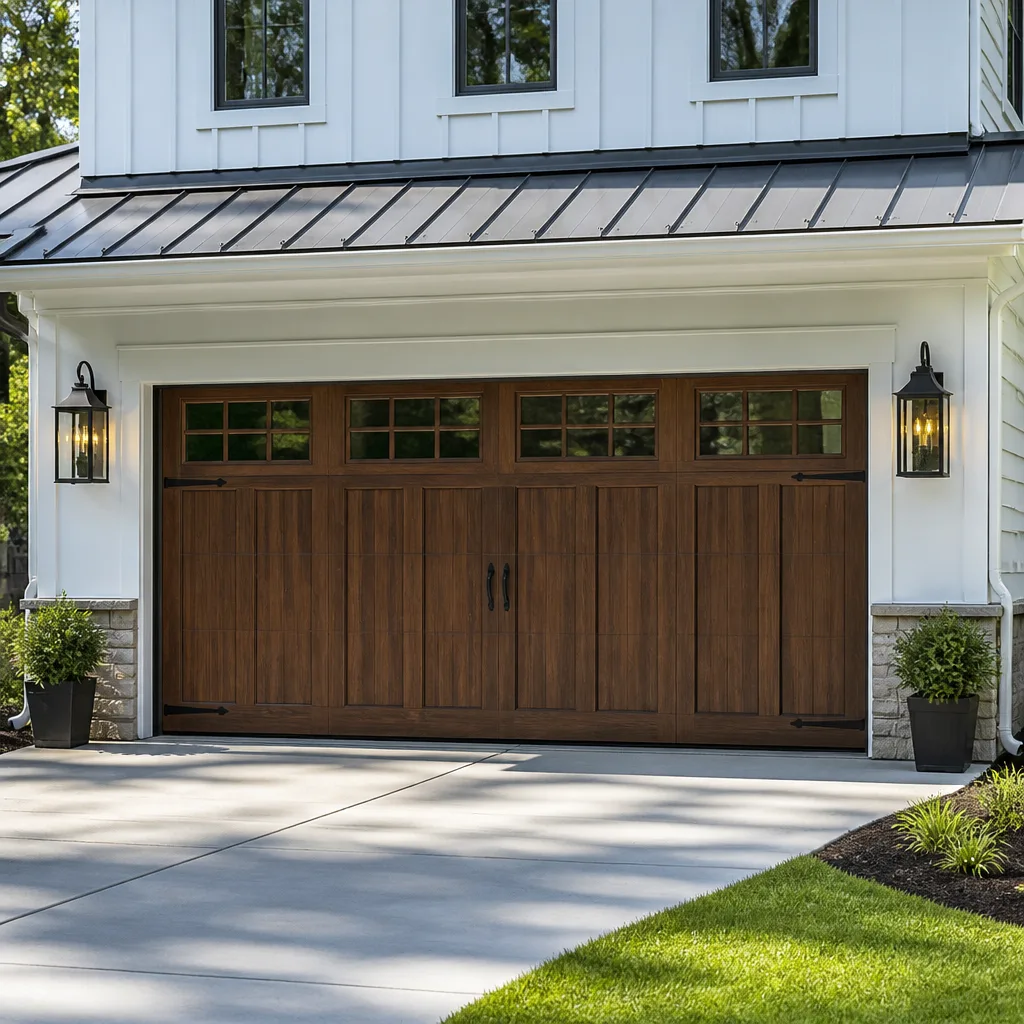
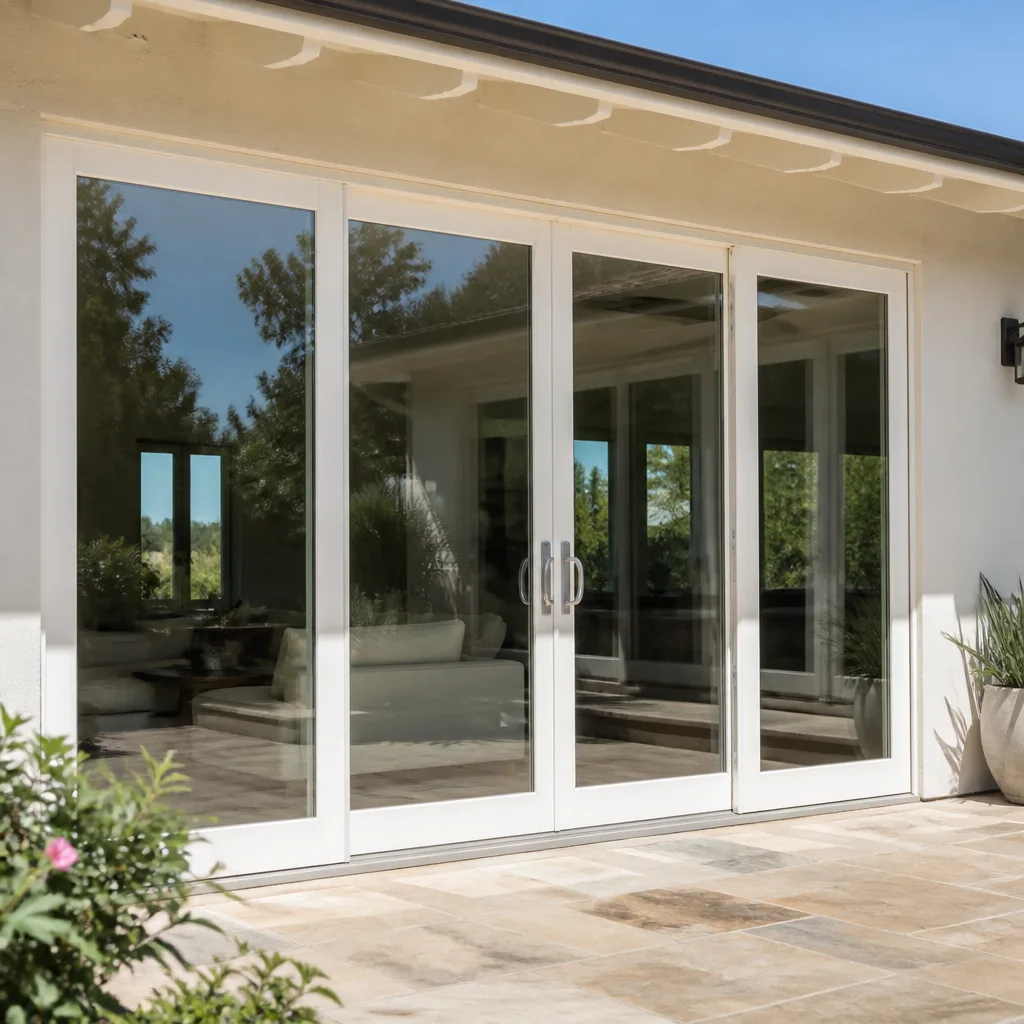
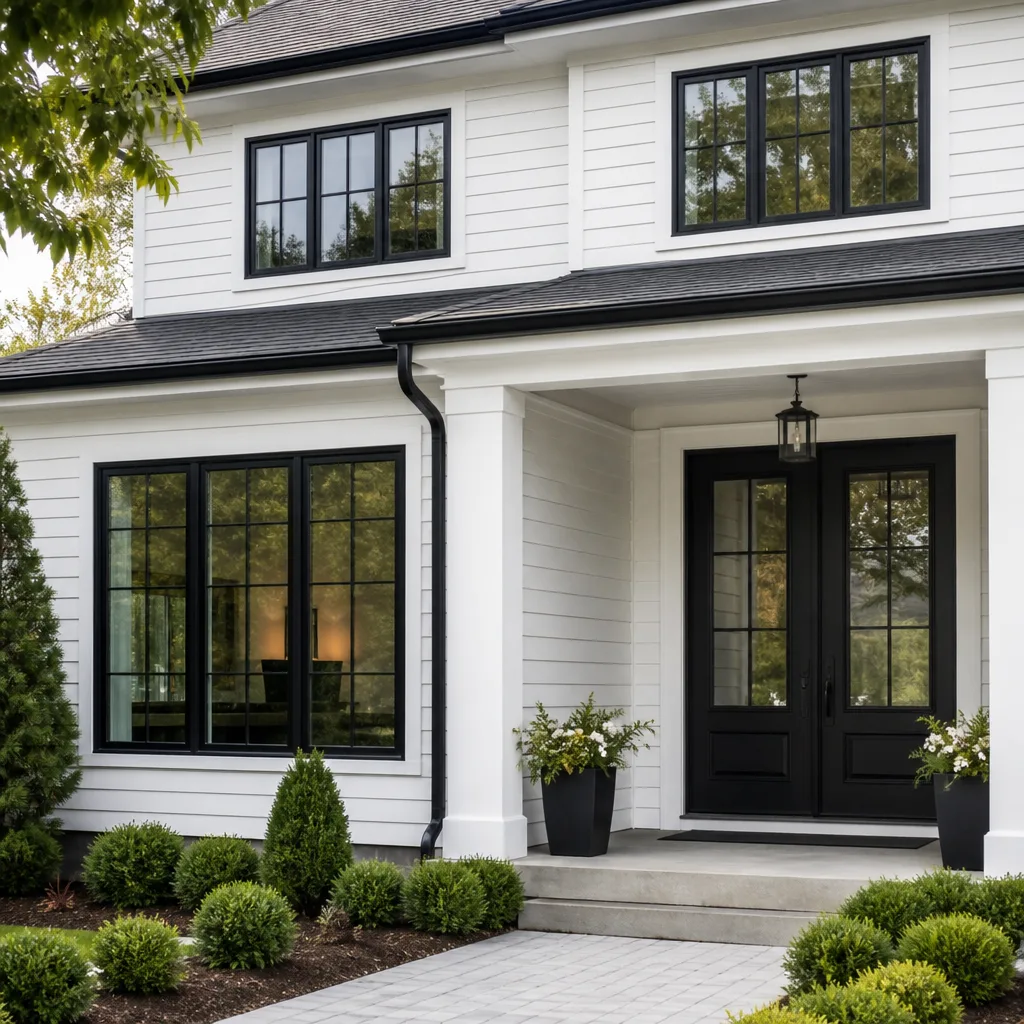
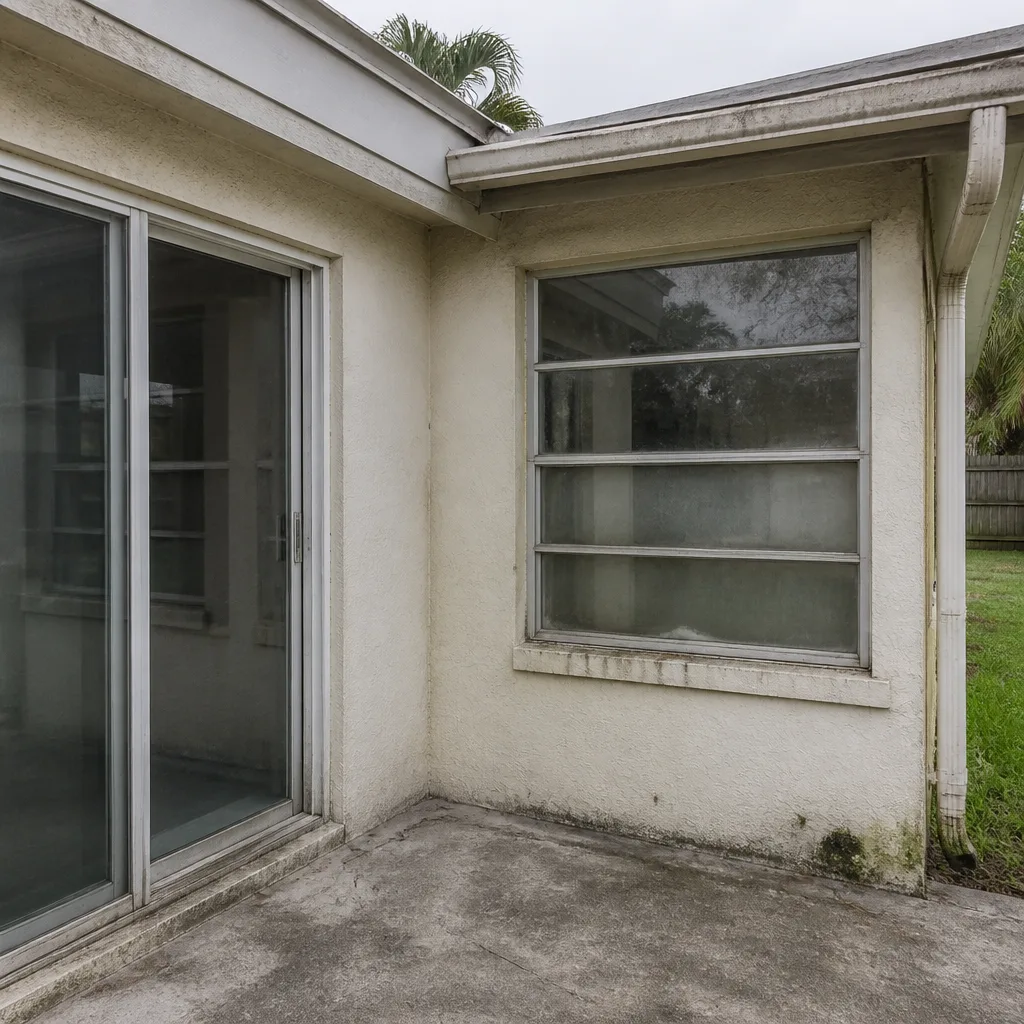 Before
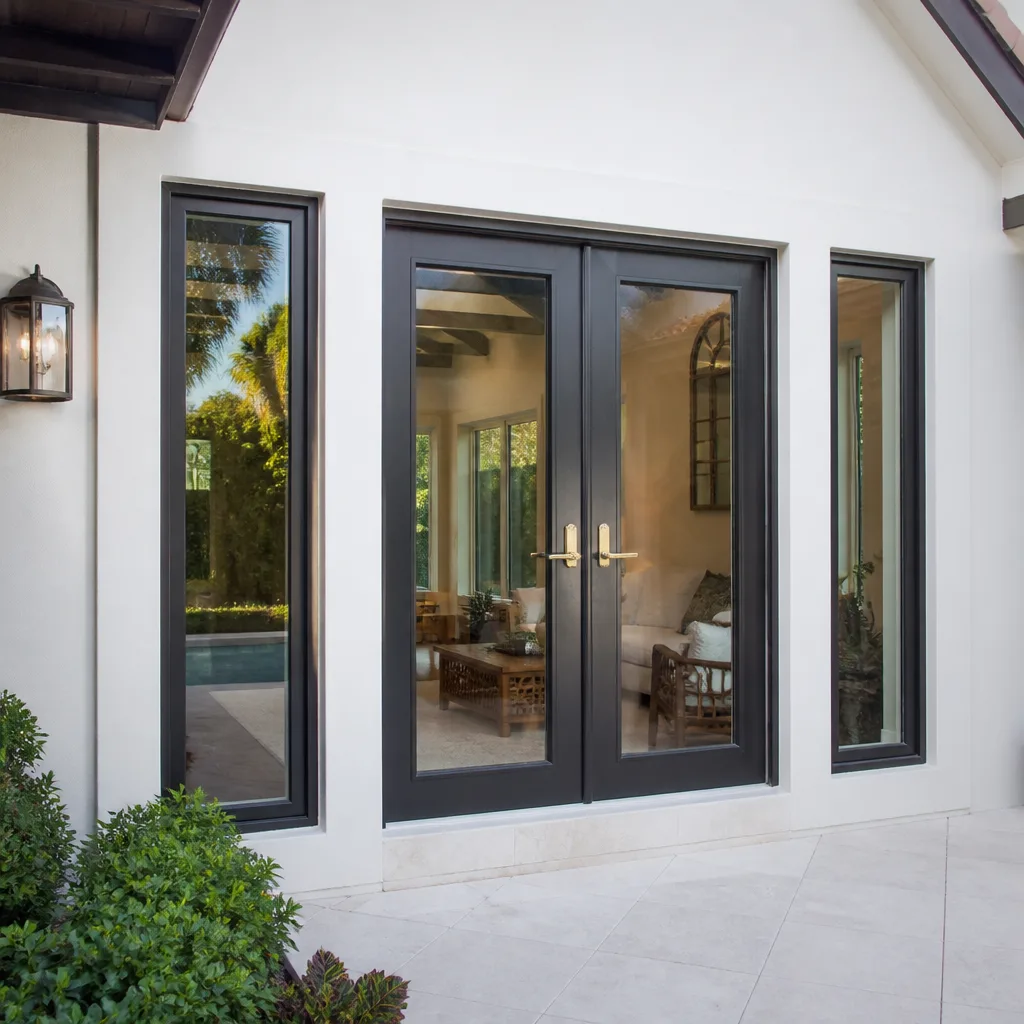 After
After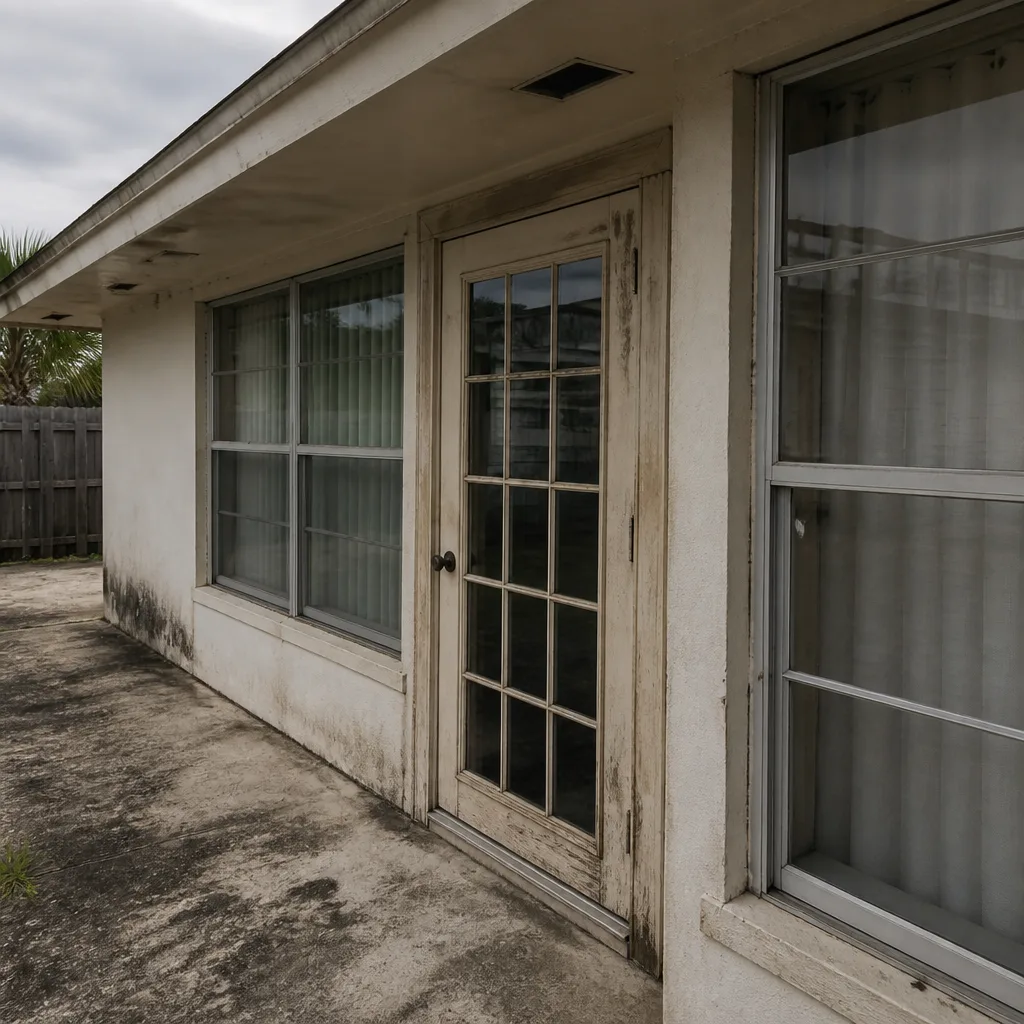 Before
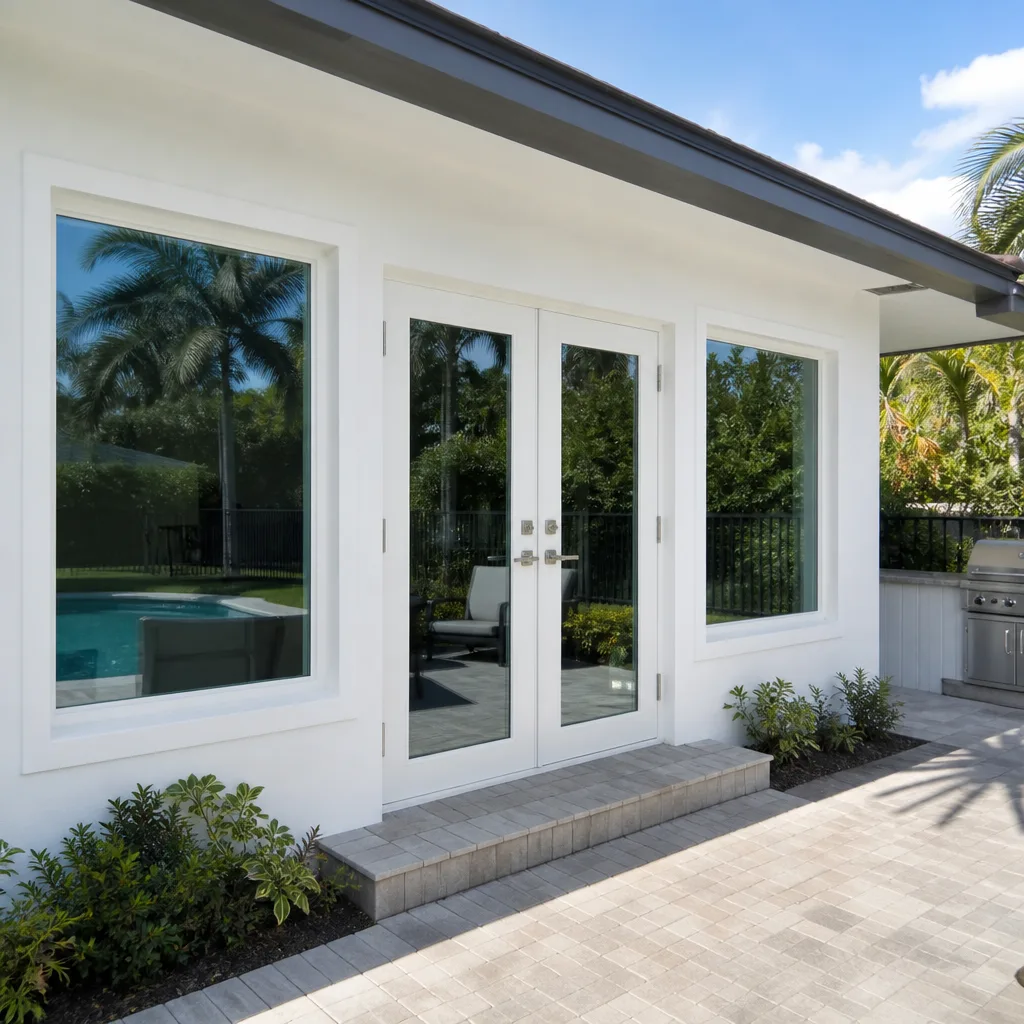 After
After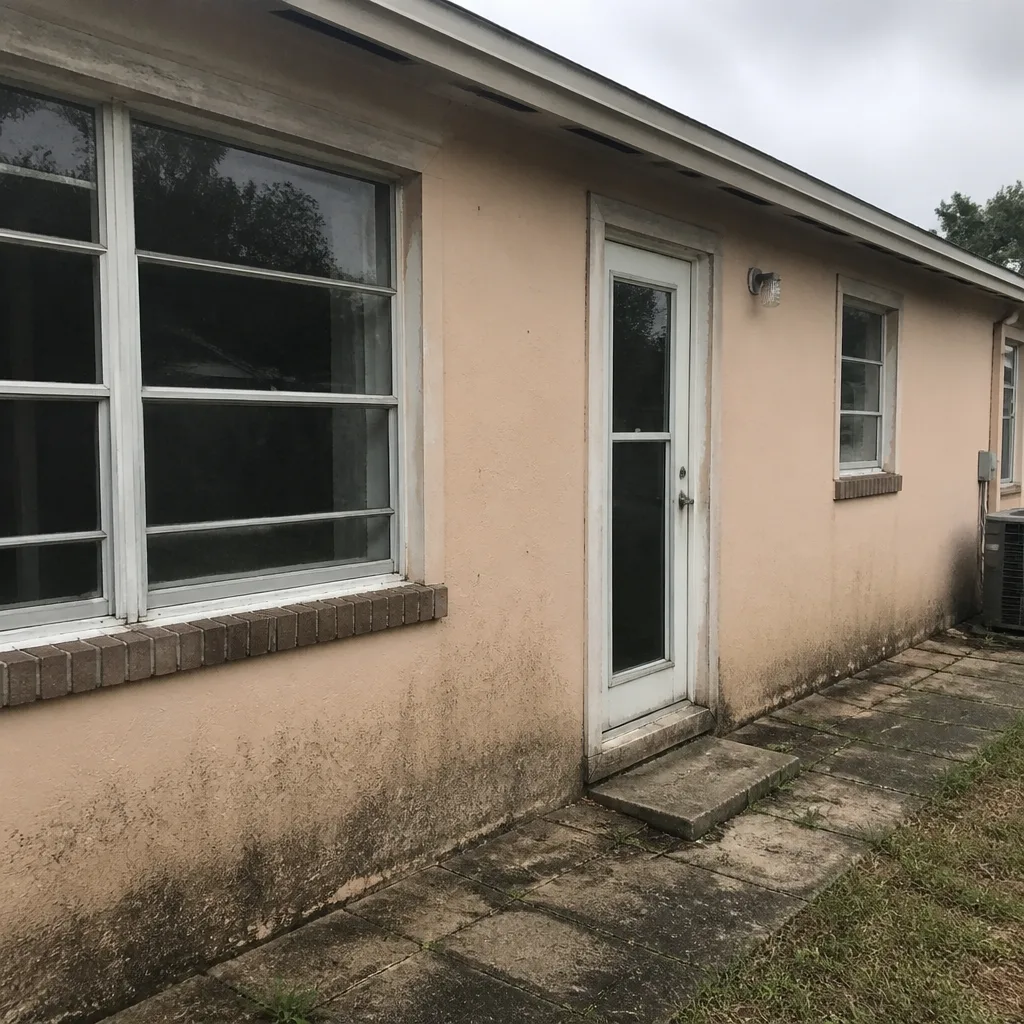 Before
 After
AfterThe Complete Guide to Windows & Doors in West Palm Beach
Florida’s wind-borne debris region requirements didn’t just raise the bar for windows and doors in Palm Beach County. They eliminated the “good enough” category entirely. Yet most West Palm Beach homeowners still shop by price per unit, the same way they’d compare dishwashers at a big-box store. That approach works fine for appliances. It’s a costly mistake when every opening in your exterior walls is a structural commitment that your insurer, your building inspector, and the next buyer will evaluate for decades after the install crew leaves. This guide walks through the forces that make West Palm Beach window and door decisions different from anywhere else in the country, and how to spend your money so it actually protects the house.
Quick Answer
Choosing windows and doors in West Palm Beach means buying products engineered for the High-Velocity Hurricane Zone (HVHZ), installed by a local contractor who pulls permits, and documented with Miami-Dade NOA numbers your insurer recognizes. Expect to pay $900-$2,800 per impact-rated window installed and $3,500-$12,000 for a quality impact-rated entry door, depending on size, brand, and structural condition of the opening. The product matters less than the installation quality and the permit trail, so start with the contractor’s license and local reputation before comparing glass packages. For help vetting installers, see our How to Hire a Windows & Doors Contractor in West Palm Beach: A Step-by-Step Guide.
Table of Contents
- Why West Palm Beach Windows and Doors Are Different from Anywhere Else
- Impact-Rated vs. Impact-Resistant vs. Hurricane-Rated: A $1,000 Labeling Mistake
- How Your Window and Door Choices Affect Your Insurance Premiums
- Which Openings Fail First in a Named Storm: The Prioritization Order
- What a Legitimate Local Installation Contract Must Include
- Realistic Cost Ranges for Windows and Doors in West Palm Beach
- Common Mistakes to Avoid
- When to Call a Professional
- Frequently Asked Questions
- The Bottom Line
Why West Palm Beach Windows and Doors Are Different from Anywhere Else
West Palm Beach sits inside a designation most of the country has never heard of: the High-Velocity Hurricane Zone, or HVHZ. It’s a building code classification that exists in only two counties in the entire United States, Palm Beach County and Miami-Dade. The HVHZ assumes a design wind speed of 170-180 mph, far beyond the 110-130 mph that governs coastal communities in the Panhandle or the Atlantic coast north of us.
Here’s what that actually means when you’re replacing a window on a home in Flamingo Park or El Cid. The window isn’t just glass. It’s a system: laminated glass, an aluminum or reinforced vinyl frame, specific anchorage into the concrete block or wood framing, and corner fastening engineered to hold together when a 2×4 traveling at 80 mph slams into it. The entire assembly carries a design pressure rating, usually expressed as a positive and negative number like +55/-55 or +70/-70. That number tells you how much wind pressure the window can take before the frame deflects, the glass pulls from the seal, or the whole unit separates from the wall.
In most of the country, the building code treats windows as a thermal and aesthetic component. In West Palm Beach, it treats them as the primary line of defense against structural pressurization. When a window fails during a hurricane, the pressure inside your home rises fast, and that pressure is what lifts roofs off buildings. So the window isn’t just protecting the room behind it. It’s protecting the entire envelope of the house.
This is why we tell every homeowner the same thing: product selection here isn’t a preference exercise. It’s a code compliance exercise with a design aesthetic attached to it. If a contractor quotes you on a window that doesn’t carry a Miami-Dade County NOA or Florida Product Approval number, that window isn’t legal for this market, no matter what the marketing copy says.
West Palm Beach also brings specific site conditions that affect doors. Many of our older neighborhoods, like Grandview Heights and Sunshine Park, have homes built in the 1920s through 1950s with non-standard openings, settled thresholds, and framing that’s been through a few decades of humidity cycles. A quality door install here requires scribing the frame, re-flashing the opening, and often rebuilding the jamb before a new unit goes in. That’s the difference between a door that closes square for twenty years and one you’re fighting within six months.
To understand how impact windows perform in this specific HVHZ environment, you’ll find a deeper breakdown on our dedicated page. The short version: code compliance here isn’t optional, and it isn’t something an inspector will catch on the back end if the installer skips a step.
Impact-Rated vs. Impact-Resistant vs. Hurricane-Rated: A $1,000 Labeling Mistake
The three terms sound interchangeable. They aren’t, and treating them as synonyms is how homeowners end up paying $1,000 more than they should, or buying a product that won’t pass inspection. Here’s the practical difference.
Impact-rated means the product has passed the full missile impact test: a 9-pound 2×4 shot at 34 mph, followed by 9,000 cycles of positive and negative wind pressure. Products with this certification carry a Miami-Dade NOA number or Florida Product Approval. This is the only category that satisfies HVHZ code in West Palm Beach.
Impact-resistant is trickier. It often refers to laminated glass with an interlayer, but without the full frame and anchorage testing. The glass might be tough, but the assembly hasn’t been verified to hold together under the combined impact-and-cycle regime the HVHZ requires. Some impact-resistant products qualify for insurance discounts, but they don’t meet Palm Beach County code as a complete opening protection system.
Hurricane-rated is the vaguest of the three. It’s a marketing term. It can mean anything from “tested to the lesser wind-borne debris standard used in non-HVHZ counties” to “the manufacturer says it’s tough.” Walk past any product labeled hurricane-rated that lacks a Florida Product Approval number, and keep walking.
The cost difference is real. A name-brand impact-rated window from a manufacturer like ECO Window Systems or Mr-Glass in a 48×60 size might run $1,200-$1,800 for the unit alone. A non-rated laminated window of the same dimensions could come in at $700-$900. That $500 spread looks like savings on a bid sheet. But the non-rated window won’t pass a permit inspection in West Palm Beach, won’t reduce your insurance premium, and will come up in a home inspection if you sell. You’re paying $900 for a window that legally doesn’t exist.
One nuance that gets overlooked: sliding glass doors and French doors are tested differently than fixed and single-hung windows. The loads on a 6-foot-wide door panel are much higher than on a 3-foot window. When you’re comparing quotes, check that every product line on the bid carries its own NOA, not just the window series from the same manufacturer. We’ve seen bids where the windows were properly rated but the sliding door was from a different series with only a Florida Product Approval, which means the door doesn’t meet the same testing threshold and may not pass certain municipal inspections.
How Your Window and Door Choices Affect Your Insurance Premiums
In West Palm Beach, your windows and doors are a line item on your insurance policy. Not because the insurer cares about your curb appeal, but because opening protection is the single biggest factor in whether a home survives a hurricane with cosmetic damage or suffers catastrophic structural failure.
Most Florida carriers offer what’s called a wind mitigation discount. The discount comes from a wind mitigation inspection, which evaluates specific features of your home’s construction: roof-to-wall attachment, roof decking type and attachment, roof shape, and opening protection. The opening protection line item is where windows and doors get scored. Homes with impact-rated openings, verified by product approval numbers, qualify for the highest discount tier.
The actual premium difference is substantial in Palm Beach County. Depending on your insurer, your coverage level, and the age of your home, the spread between a house with no opening protection discounts and one with full impact-rated protection can run 25% to 45% of your annual premium. On a $5,000 policy, that’s $1,250-$2,250 back in your pocket every year. Over the 15-year life of a quality window, the insurance savings alone can cover a meaningful portion of the replacement cost.
Here is what insurers look for:
- Miami-Dade NOA or Florida Product Approval numbers for every window and door in the home, including the garage door.
- Documentation of installation, including permits and passed inspections. A window that’s rated but installed without permit sign-off may not count.
- Complete coverage of all openings. A partial retrofit, where you replace five windows and leave seven unprotected, doesn’t earn the full discount. The wind mitigation credit is based on the percentage of protected openings.
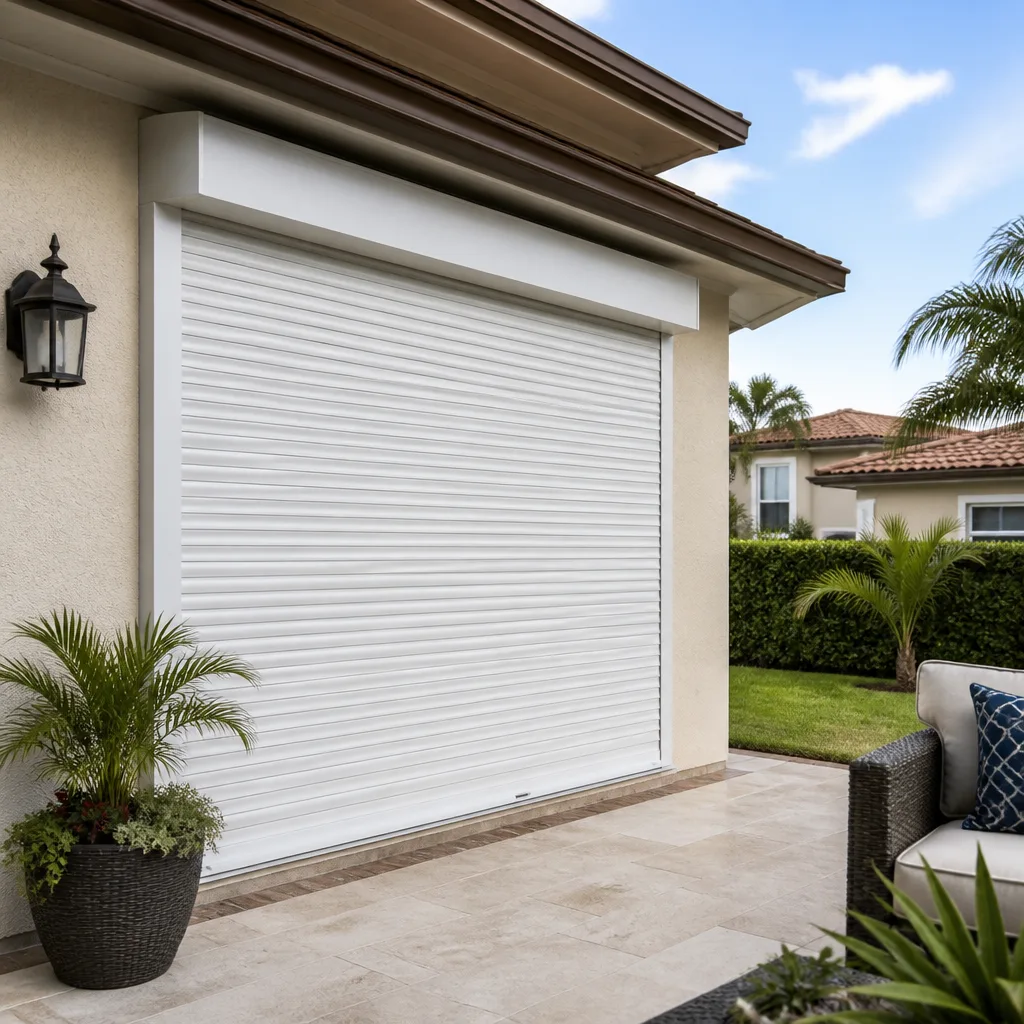
- Garage door rating. In many Palm Beach County homes, the garage door is the largest opening on the house. An unrated double-wide garage door can negate the value of every other upgrade you make.
When our customers in West Palm Beach ask whether the insurance savings are real, we tell them to call their agent before signing a contract, give them the product approval numbers, and get the projected discount in writing. The best agents will confirm it in an afternoon. If your agent can’t confirm a building product discount for the units you’re considering, you need a different product or a different agent.
Which Openings Fail First in a Named Storm: The Prioritization Order
Not all openings on a West Palm Beach home carry the same risk in a named storm. If you’re replacing windows and doors on a budget, say $20,000 this year instead of $60,000 all at once, the order you tackle the work matters more than the brand you pick.
Here’s the failure order we’ve observed across dozens of hurricane seasons in Palm Beach County, from most vulnerable to least:
- Unrated garage door. A double-wide garage door has the largest surface area of any opening in the home and the least structural depth to resist wind. Horizontal bracing or a proper impact-rated door isn’t optional. This is the number one failure point in residential homes during wind storms.
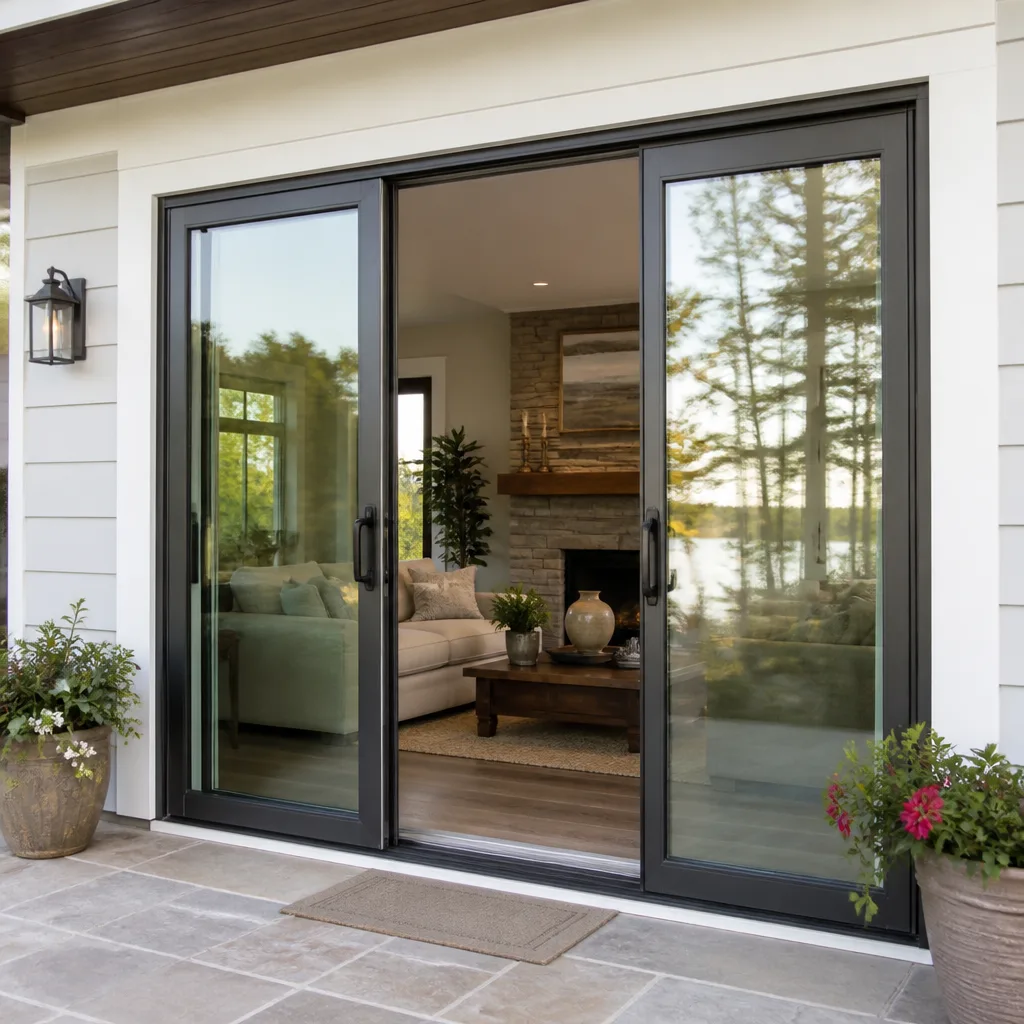
- Sliding glass doors, especially multi-panel units. The wider the span, the higher the bending moment on the frame. Older sliders from the 1980s and 1990s were built for lower wind-speed counties. In an HVHZ event, the frame deflects and the panels pop out of the track.
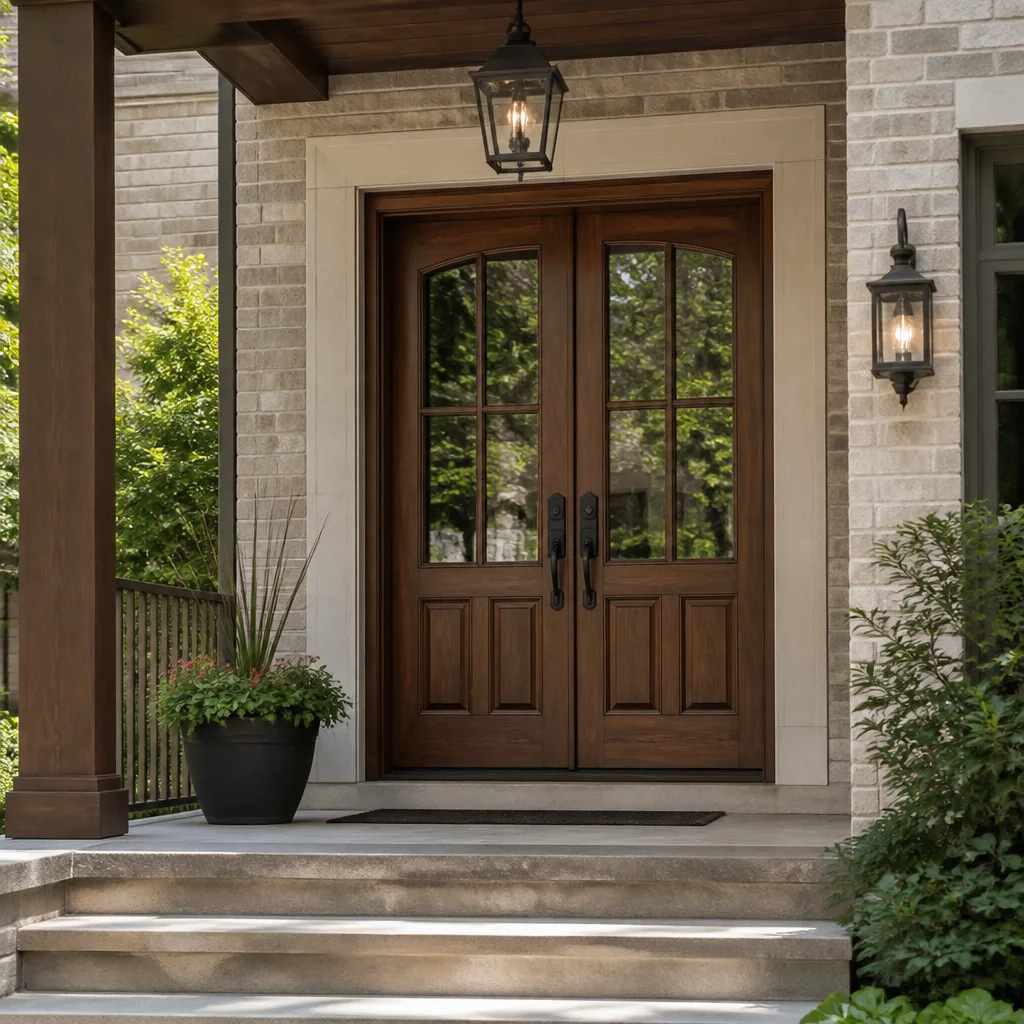
- Entry doors with sidelites. Many West Palm Beach homes have double-door entry systems or single doors flanked by narrow glass panels. The sidelites are often overlooked during upgrades but carry the same code requirement as a full window.
- Large fixed windows and picture windows. Surface area drives wind load, and a 6-foot fixed window takes far more pressure than a 3-foot single-hung.
- Standard single-hung and double-hung windows in second-story locations. Wind speed increases with height, so upper-floor windows see higher loads than ground-floor units.
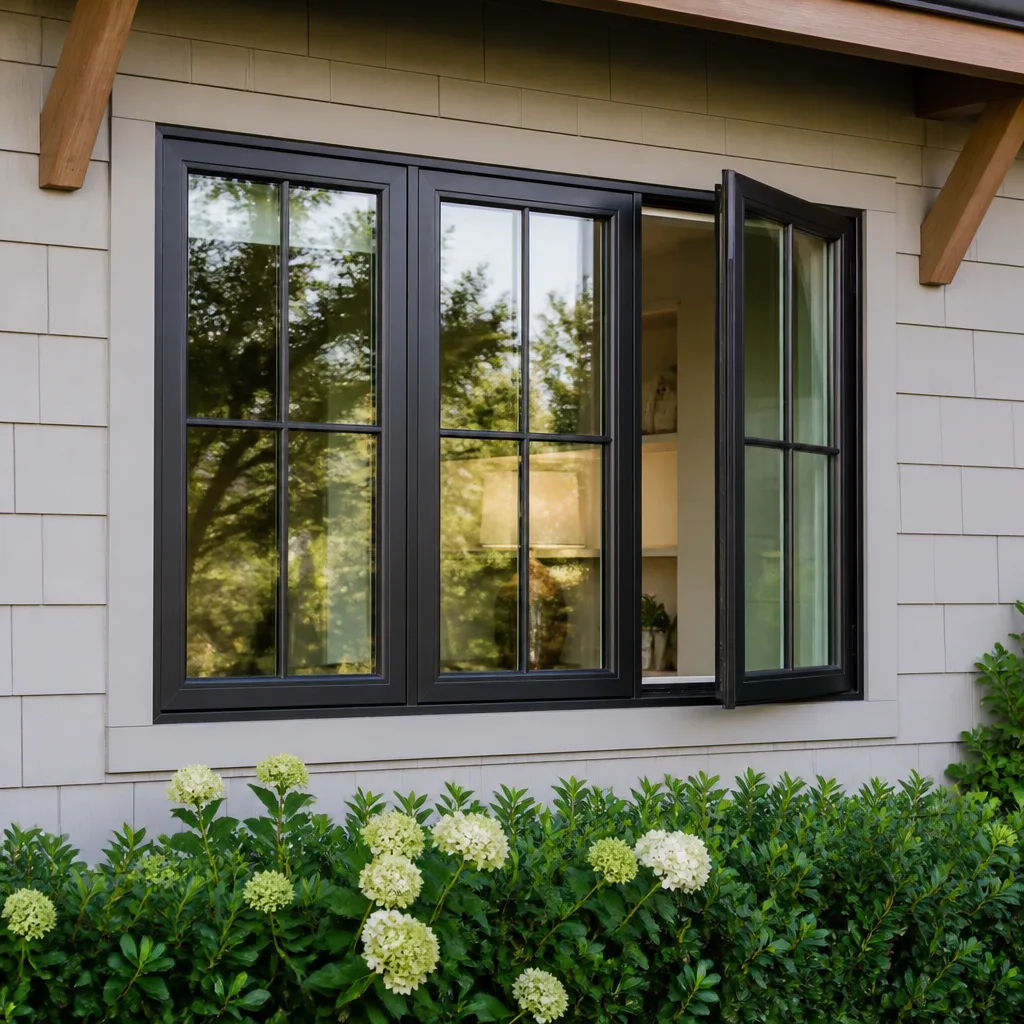
- Casement windows. The hardware and single-panel construction tend to perform well, but older models still need verification against current HVHZ requirements.
The principle here is simple: protect the largest, weakest openings first. We tell homeowners in neighborhoods like Roosevelt Estates and Lake Clarke Shores that spending $4,000 on an impact-rated garage door often does more for real storm protection than spending $12,000 on three front-facing windows. The insurance discount follows the same logic. Carriers weight garage door protection heavily because they know that’s what fails first.
If you’re planning a phased replacement, start with the garage door, the sliding glass doors, and any entry system with sidelites. Then move to the largest windows, and finish with the standard units. That sequence maximizes both structural protection and premium reductions in the shortest time frame.
For a full breakdown of how the replacement process works on a West Palm Beach home, from site survey to final inspection, our dedicated page on the topic covers the phases in step-by-step detail.
What a Legitimate Local Installation Contract Must Include
Most homeowners read the price line on a window or door contract and skip everything else. That’s a mistake. The contract is where national chains quietly offload risk onto you, and where legitimate local installers distinguish themselves.
Here’s what a proper West Palm Beach window or door installation contract includes, and what we consider non-negotiable:
- Specific product identifiers. Not “impact window, 48 inches.” Every line item should show the manufacturer, series name, model number, glass package, frame finish, and the Florida Product Approval or NOA number for that specific product in that specific size. If the contract doesn’t list approval numbers, you can’t verify code compliance before the install starts.
- Permit responsibility in writing. The contract should state who pulls the permit, who schedules the inspection, and who’s responsible for correction if the inspection fails. West Palm Beach requires a permit for window and door replacement when the opening changes or the new unit’s structural requirements differ from the original. We pull permits on every job and meet the inspector on site. Not every contractor makes that promise in writing.
- Inspection sign-off as a completion milestone. Payment schedules should be tied to successful inspections, not just to “installation complete.” A window can be installed beautifully and fail a perimeter anchorage inspection. The final payment should not be due until the city or county signs off.
- Warranty assignability. If you sell your home, does the workmanship warranty transfer to the next owner? Many national chain contracts don’t allow it. A transferable warranty adds measurable resale value in West Palm Beach’s real estate market, where buyers are increasingly sophisticated about opening protection.
- Site cleanup and disposal. Sounds minor until you find 800 pounds of old aluminum frames piled by your trash bin. It should be in the contract.
- Change order rules. What triggers a price change after the contract is signed, and what doesn’t? Hidden rot behind a window frame is a legitimate change. “We decided your opening is non-standard” is not. The contract should define the line.
National chains often omit all of these items because they create a paper trail of obligations. A legitimate local installer writes them in because that paper trail is the only thing that protects you, and it’s the standard we hold ourselves to. Ed’s name is on the door, and on every job we do.
The installation-specific details for West Palm Beach homes, including anchoring methods for concrete block versus wood frame, are covered on that page if you want to understand the technical side of what the contract should describe.
Realistic Cost Ranges for Windows and Doors in West Palm Beach
We’re going to give you real numbers based on the West Palm Beach market as of 2025. These aren’t national averages pulled from a cost estimator website. They’re the ranges we see on actual bids in this county, including materials, labor, permit fees, and disposal.
| Product | Typical Installed Cost Range (West Palm Beach, 2025) | What Drives the Price |
|---|---|---|
| Impact-rated single-hung window, 36×60 | $900 - $1,400 per unit | Frame material, glass package, NOA rating level |
| Impact-rated casement window, 36×60 | $1,100 - $1,700 per unit | Hardware quality, crank vs. push-out operation |
| Impact-rated fixed/picture window, 60×60 | $1,300 - $2,200 per unit | Glass size drives the lamination cost |
| Impact-rated sliding glass door, 2-panel, 72×80 | $3,800 - $6,500 installed | Track system, frame depth, threshold conditions |
| Impact-rated entry door, single, 36×80 | $3,500 - $6,000 installed | Material (fiberglass, steel, wood), hardware, sidelite count |
| Impact-rated French door, 2-panel, 60×80 | $4,500 - $8,000 installed | Active/passive panel configuration, frame reinforcement |
| Impact-rated garage door, double-wide 16×7 | $4,000 - $9,500 installed | Wind rating level, track reinforcement, opener compatibility |
| Full retrofit of a 2,000 sq ft home (12-15 openings) | $22,000 - $45,000 total | Product mix, structural conditions, permit complexity |
A few observations from those numbers. First, the labor share in West Palm Beach is higher than the national average because of the concrete block construction that dominates our housing stock. Anchoring a window into concrete block requires different fasteners, more drilling, and more care than nailing a flange into a wood frame, which drives labor costs up even when the window unit price is identical to what a homeowner in Texas might pay.
Second, there’s a meaningful quality spread within each category. A PGT 5500 series window and an upper-end ECO Window Systems unit may both carry HVHZ approval, but the Eco unit will have tighter tolerance on the frame, a better glass package, and smoother operation. The difference isn’t cosmetic. It shows up at year ten, when the better unit still operates like new and the budget unit has started to feel loose.
Third, door prices vary more than window prices because door installs involve more variables: threshold condition, jamb squareness, header integrity, and exterior trim details. A Therma-Tru entry door in a home with a rotted threshold is a different job than the same door in a clean, square opening.
We always recommend getting three bids and comparing them line by line, not by the final number. One contractor’s $1,100 window might include a lower-tier frame and no mention of permit fees. Another’s $1,250 window might include a premium glass package, a workmanship warranty that transfers, and permit responsibilities written into the contract. The cheapest bid in West Palm Beach is often the most expensive choice made today.
Our standing policy: we’ll give you a free second opinion on any written estimate. Bring us another contractor’s bid and we’ll go through it line by line at no charge. No pressure, no obligation. Just clarity on what you’re actually being quoted.
Common Mistakes to Avoid
- Shopping by price per unit without checking approval numbers. A $650 window with no Florida Product Approval is not cheaper than a $1,100 window with a Miami-Dade NOA. It’s an illegal installation that won’t pass inspection, won’t reduce your insurance premium, and will complicate any future sale. Verify the product approval before you compare prices.
- Treating the garage door as a separate decision. In West Palm Beach, your garage door is part of your opening protection system. Replacing every window and door in the home and leaving a 1998 unrated garage door is like installing a security system and leaving the back door wide open.
- Accepting verbal promises about permits. If the contract doesn’t say who pulls the permit and who meets the inspector, the answer is usually “you do, and you’ll find out after the check clears.” Get it in writing or walk away.
- Replacing only the loudest room first. West-facing windows in the living room that bake in the afternoon sun might have the worst energy performance, but if your sliding glass door and garage door are unrated, those are the storm liabilities. Fix the structural vulnerability before the thermal comfort issue.
- Choosing a warranty on marketing language instead of assignability. A “lifetime warranty” that dies when you sell the house has a lifespan of exactly as long as you own the property. In a market like West Palm Beach, where buyers understand opening protection, a transferable workmanship warranty adds real value at closing.
- Overlooking the frame material. The glass gets all the attention, but in a salt-air coastal environment, the frame matters as much over the long run. Aluminum frames need a quality finish to resist pitting. Vinyl frames need reinforced corners to hold their shape in PVHZ cycle testing. Ask about the frame warranty separately from the glass warranty.
- Waiting until after a named storm to schedule replacement. The day after a hurricane watch ends, every window and door manufacturer in Florida sees a 300% spike in orders. Lead times stretch from three weeks to four months. If your openings are approaching twenty years old or you know they’re unrated, the time to replace them is during the quiet season, not the week before the cone appears.
When to Call a Professional
Some home improvement projects tolerate a weekend-warrior approach. Window and door replacement in West Palm Beach isn’t one of them-see our DIY vs Professional Windows & Doors: The West Palm Beach Homeowner’s Decision Guide for why. The moment you’re dealing with an exterior opening in an HVHZ home, the work involves structural anchorage, flashing details that keep water out of your walls, code requirements that change with the wind zone, and a permit process that follows your property records forever.
Call a professional when you see fogging between glass panes (seal failure), when you can feel air movement around a closed window or door frame, when a sliding door sticks or jumps the track, when water stains appear around a frame after rain, or when you’re planning to sell and know the existing openings aren’t rated. If your home is approaching twenty years old and the windows are original, the decision isn’t whether to replace them but when. Winslow Windows & Doors offers free estimates in West Palm Beach - call (561) 660-9539, and a live person answers. No call centers, no voicemail loops, no next-business-day callbacks.
Frequently Asked Questions
For a typical 2,000-square-foot West Palm Beach home with 12 to 15 openings, full replacement with impact-rated products runs $22,000 to $45,000 installed, including permits and disposal. The spread depends on product tier, frame materials, and the structural condition of the existing openings. Call (561) 660-9539 for a free, no-pressure estimate on your specific home.
Yes. Impact-rated windows and doors verified with Miami-Dade NOA or Florida Product Approval numbers qualify for the opening protection credit on a wind mitigation inspection. Depending on your insurer and policy, the annual premium reduction typically runs 25% to 45%. Ask your agent for the projected discount using the product approval numbers from your bid before you sign.
An impact window has passed the full missile impact and cycle testing required for HVHZ code compliance and carries a Miami-Dade NOA or Florida Product Approval number. “Hurricane window” is a marketing term with no consistent technical meaning. In West Palm Beach, only impact-rated products meet code and qualify for insurance discounts.
Yes, and it’s often the right financial move. But prioritize by structural vulnerability, not by which room feels hottest. The order that protects your home and maximizes insurance credits is: garage door first, then sliding glass doors and entry systems with sidelites, then large fixed windows, then standard single-hung and double-hung units.
Not if the contract defines change order rules clearly. A legitimate company writes in what triggers a legitimate change: hidden rot, termite damage, code updates discovered during inspection, or unforeseen structural conditions. Our quotes are fixed and upfront. We don’t surprise the invoice. If you have a written estimate from another company, we’ll review it line by line as a free second opinion.
Yes. Window and door replacement in West Palm Beach requires a permit when the opening changes or the new units have different structural requirements. A proper contract includes permit responsibility and inspection sign-off. We pull permits on every job and meet the inspector on site. The permit trail also matters for insurance documentation and for resale value.
Quality impact-rated windows in West Palm Beach last 20 to 30 years with normal care. The frame typically fails before the glass. Coastal salt air accelerates finish degradation on aluminum frames, so frame material and finish warranty matter as much as glass warranty. Cheaper units tend to show operational wear around year ten, especially on hardware and seals.
The Bottom Line
Windows and doors in West Palm Beach are structural investments disguised as cosmetic decisions. The HVHZ code, the insurance premium math, and the realities of coastal wind loads mean the brand you choose matters less than the approval numbers, the permit trail, and the installer behind the work. Shop by specifics, not vibes. Prioritize by failure risk, not by room temperature. Get everything in writing, from the product NOA to the inspection sign-off to the warranty assignability. The decision you make today follows the house for as long as the house stands. Get it done right the first time, and you won’t need to revisit it for decades. The Winslow Windows & Doors home page is a good starting point if you want to see how we work. Or pick up the phone. We’re the one down the road, and a real person answers. Call (561) 660-9539 for your free estimate.
Written by Ed Winslow, Owner at Winslow Windows & Doors, serving West Palm Beach since 2011. Browse more guides & resources for West Palm Beach homeowners.
Six Reasons Homeowners Choose Winslow Windows & Doors
Impact systems engineered to design pressures up to +/-100, matched to your wind zone - your openings hold when the storm arrives.
Low-E insulated impact glass from our manufacturer lines commonly cuts monthly cooling bills 20-30%.
Laminated impact glass shuts out up to 40% of outside noise - traffic, neighbors, weather.
Monitoring services run $30-90 a month. Laminated impact glass resists forced entry around the clock, with no subscription.
Florida homeowners average around 25% savings on the windstorm portion of their policy after protecting every opening - some homes qualify for more.
A full impact package upgrades curb appeal, buyer confidence and appraised value in one project.